Retsina Wine: Greece's Pine-Resin White, Old and New

By the Sommy Team — AI-assisted, human-edited.
Updated Sep 25, 2026

Contents (12)
- What Is Retsina Wine?
- What Does Retsina Taste Like?
- Traditional vs Modern Retsina: How Do You Tell Them Apart?
- What Food Goes With Retsina?
- How Should You Serve Retsina?
- What Grapes Are Used to Make Retsina?
- How Is Retsina Made?
- Why Does Retsina Taste of Pine? The Amphora Story
- Did Greeks Resin Their Wine to Spite the Romans?
- Who Can Call a Wine Retsina?
- Is Retsina the Same as Orange Wine?
- How to Taste Retsina Tonight
TL;DR
Retsina wine is a Greek white, sometimes rosé, fermented with small pieces of Aleppo pine resin. The flavour began with resin-sealed amphorae over 2,000 years ago. Modern producers use much less resin than the old turpentine style, mostly on Savatiano grapes, and the result suits salty, garlicky Greek food.
What Is Retsina Wine?
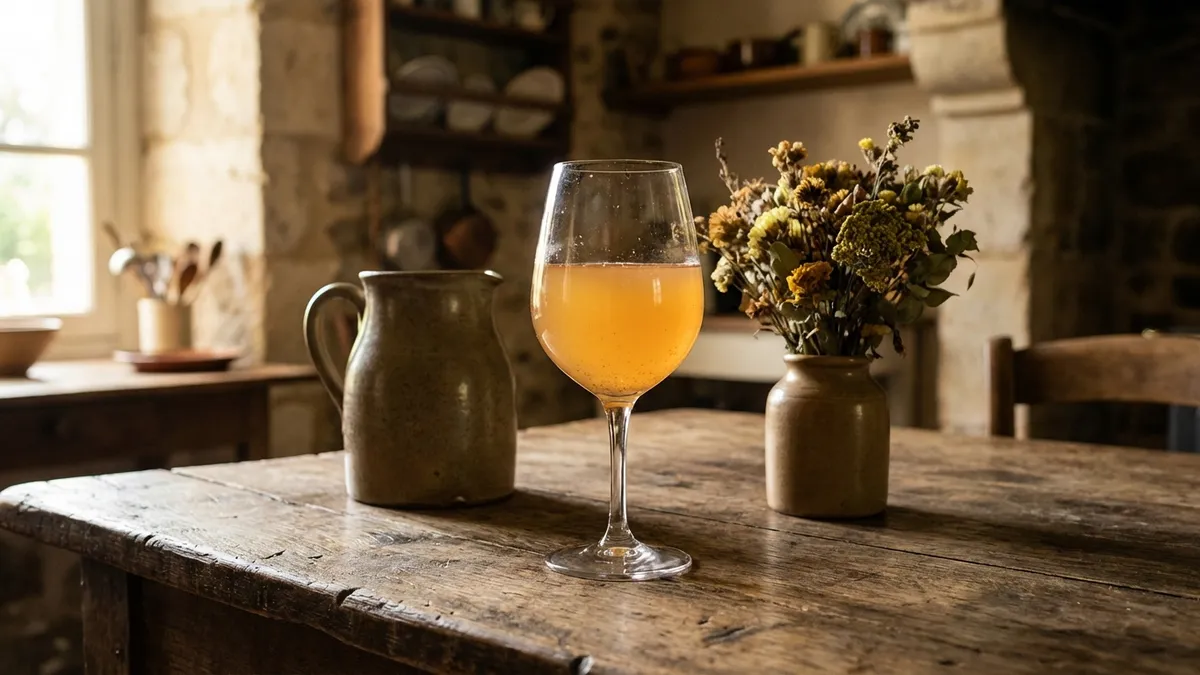
Retsina wine is a Greek white, sometimes rosé and very rarely red, that ferments with small pieces of Aleppo pine resin in the tank. The resin leaves a smell of pine sap over a dry, light, lemony wine. The style goes back at least 2,000 years, to the habit of sealing clay wine jars with pine resin.
The traditional grape is Savatiano, often blended with Rhoditis or Assyrtiko, and the EU protects the name for Greece and parts of southern Cyprus. Today's producers use much less resin than the old turpentine-scented bottles that gave retsina a bad reputation abroad, and the lighter modern style is an easy match for salty, garlicky Greek food.
What Does Retsina Taste Like?
Retsina tastes like a dry, light white with a layer of pine sap on top. Under the resin you will usually find lemon, green apple and a dry-herb edge. The pine is strongest on the first sniff and often softer in the mouth than the smell promises.
Start with the structure. Retsina is dry, meaning there is no sugar you can taste. It is light in body: the weight of the wine, like skimmed versus whole milk.
Its acidity (the tartness that makes your mouth water) runs from gentle to fresh. A blend with Assyrtiko or Rhoditis feels sharper, because both grapes hold on to acid in the heat.
Then the smells. The resin brings pine needles and warm sap, like the air in a pine wood on a hot day, because resin is the sticky sap of the Aleppo pine itself. The fruit is lemon peel and fresh apple, because Savatiano is a mild grape picked for freshness. Some bottles add a dried-thyme edge, which is why retsina sits close to the herbal wines covered in herbal notes in wine.
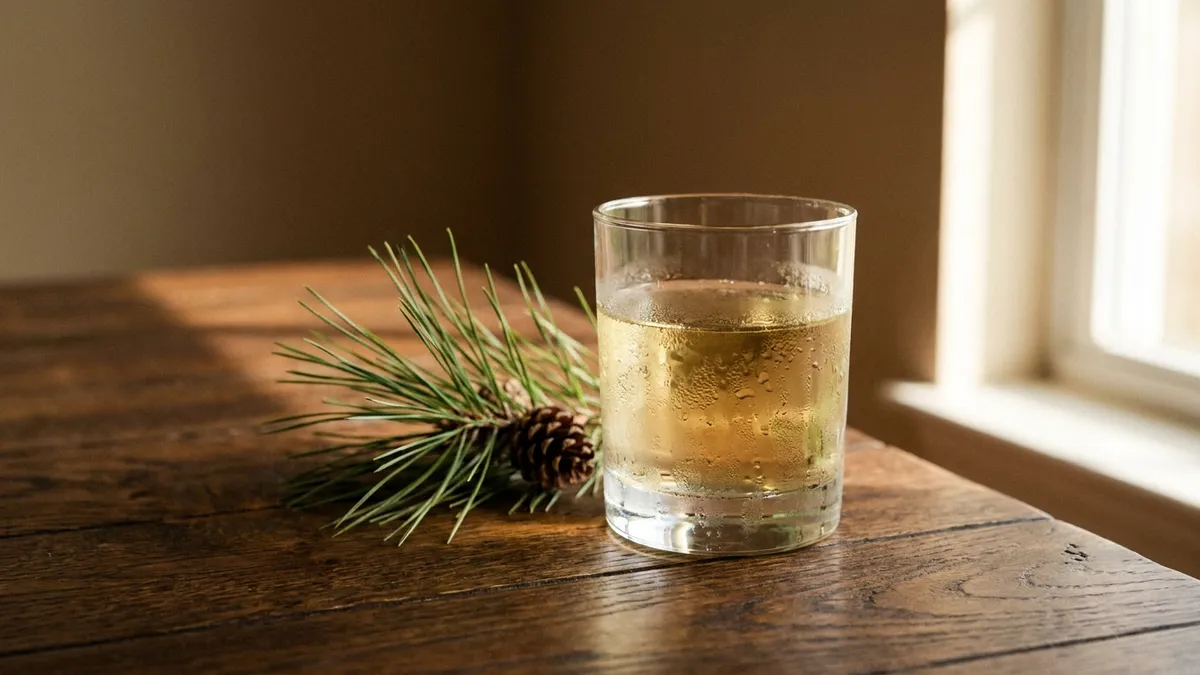
A retsina that smells like paint thinner has too much resin, and that is a winemaking choice, as explained in wine fault vs style. A retsina that smells of pine over lemon has the balance modern producers aim for.
Traditional vs Modern Retsina: How Do You Tell Them Apart?
Traditional retsina smells of resin before you lift the glass; modern retsina keeps the pine as a top note over the fruit. The difference comes down to dose. Producers today use much less resin than was traditionally called for, which softens the pungent turpentine whiff that older bottles were known for.
Both styles share the same name, the same grapes and the same method. What changes is how much resin goes in, and how the wine is sold. The old style was the everyday jug wine of Greek tavernas. The newer style is often bottled with a grape or place named on the label and priced a little higher.
| Traditional retsina | Modern retsina | |
|---|---|---|
| Resin dose | Heavy | Much lighter |
| Smell | Pine and turpentine first, fruit hidden | Pine sap over lemon and apple |
| Grapes | Mostly Savatiano | Savatiano, often with Assyrtiko or Rhoditis for lift |
| How it is sold | Cheap table wine, often unnamed grapes | Bottles naming a grape or region |
| Serve it with | Fried fish, garlic dips, grilled meat | Meze, octopus, feta, lemony salads |
If the label says only "retsina" and the bottle sits at the very bottom of the price range, expect the traditional, resin-heavy style. If it names a grape such as Savatiano or Assyrtiko, or a place, expect the lighter one. For a first bottle, pick the second kind, and read the Greece wine guide for how the country's modern producers reshaped their reputation.
What Food Goes With Retsina?
Retsina goes best with salty, garlicky, oily Greek food, the kind that flattens a delicate white. Two classic Greek matches are skordalia, a thick garlic dip, and pastirma, a spiced cured beef. Their raw garlic and spice are as loud as the resin, so neither the wine nor the food drops out.
The pairing works through three things on the plate:
- Garlic. Raw garlic overwhelms a subtle white, but retsina's pine is just as loud, so neither one disappears.
- Salt. Olives, feta, cured meat and anchovies make the wine taste fruitier, because salt softens the bitter edge of the resin.
- Oil and frying. Fried squid, courgette fritters and fried fish coat the mouth, and the wine's acidity cuts through that coating.
- Lemon and herbs. Grilled octopus with lemon and oregano repeats the wine's own citrus and dry-herb smells.
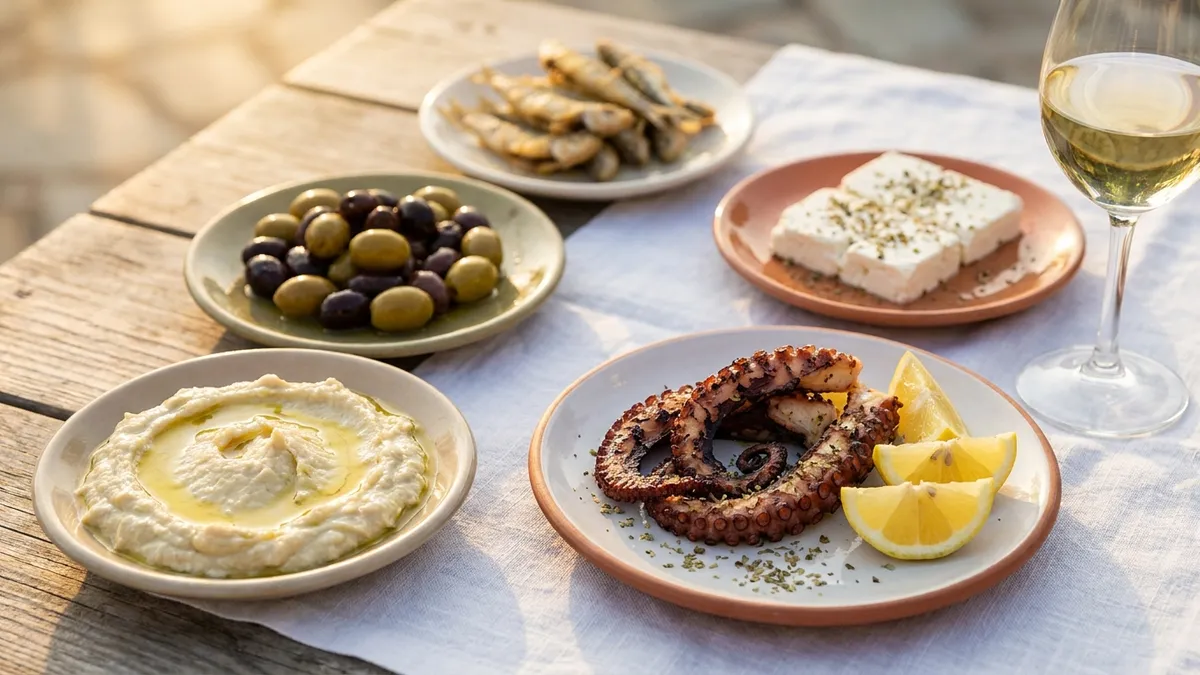
If the plate is garlicky, salty or fried, pour retsina. If it is creamy and delicate, like a butter sauce or a mild white fish, pick an unresinated Greek white such as the ones in the Assyrtiko wine guide. Retsina also handles grilled lamb with rosemary, whose resin-like smell sits close to the wine's pine. The wider rules for fish and shellfish are in wine with seafood.
How Should You Serve Retsina?
Serve retsina fridge-cold, in an ordinary white wine glass, and pour small amounts so each glass stays cold. Cold mutes the resin and lifts the lemon. Warm retsina tastes of little but pine, so the bottle belongs in an ice bucket between pours.
Chill it for a few hours before dinner, or use a bucket of ice and water if you forgot; how to chill wine fast has the quickest methods. If the pine feels harsh, chill the wine harder. If it tastes flat and dull, let the glass warm up for a few minutes before you sip again. The wine serving temperature chart gives the ranges for light whites in general.
Retsina is made to drink young. Buy it to open within the year, and finish an opened bottle within a couple of days.
What Grapes Are Used to Make Retsina?
Savatiano, Greece's most widely planted white grape, is the classic retsina grape, often blended with Rhoditis or Assyrtiko for extra freshness. Savatiano grows mostly in central Greece, especially in Attica near Athens and on the island of Euboea, which is why Attica, Boeotia and Euboea are the main centres of retsina production.
Savatiano earned its place because it resists drought. Its weakness is low natural acidity, so winemakers often blend in other grapes:
- Savatiano gives the mild lemon-and-apple base and most of the volume.
- Rhoditis is a pink-skinned grape from the Peloponnese that ripens late and keeps its acidity in hot climates. Today it is used mostly in blends with Savatiano for retsina.
- Assyrtiko adds sharp acidity and a salty, lemony bite, the same grape behind the whites in the Santorini wine guide.
- Athiri is the main retsina grape on the island of Rhodes.
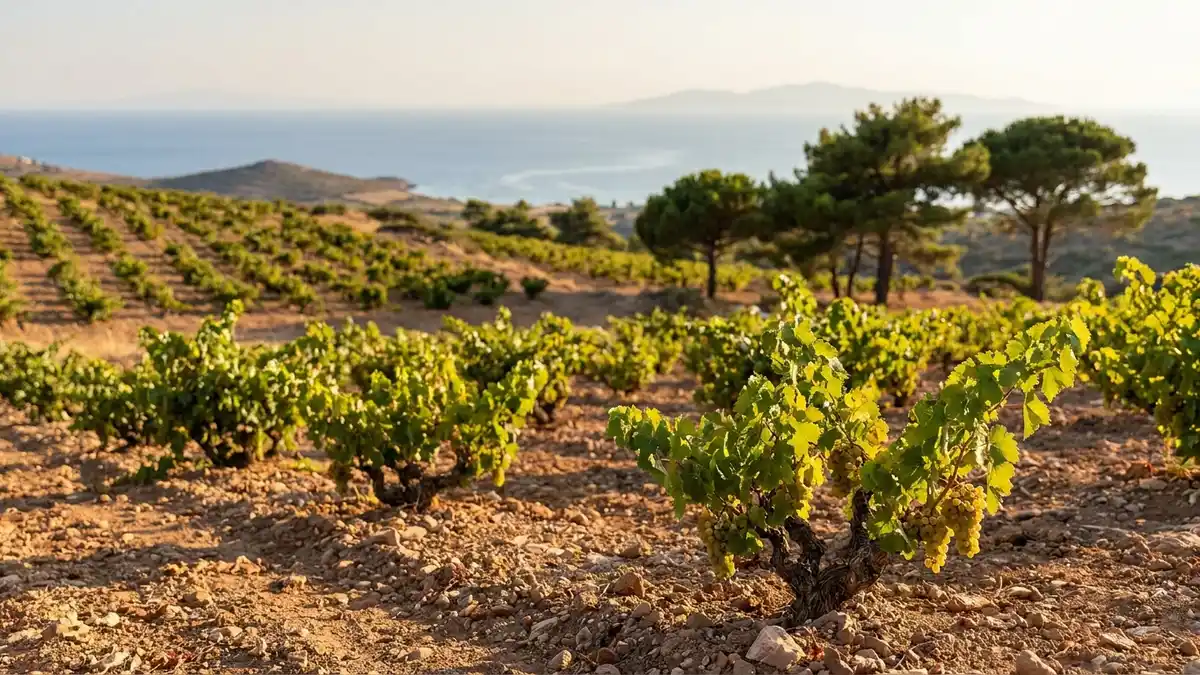
Savatiano without resin exists too. In the village of Kantza in Attica, producers make single-variety Savatiano with no pine at all. Tasted beside a retsina, that bottle shows what the resin adds.
How Is Retsina Made?
Small pieces of Aleppo pine resin go into the must (the crushed grape juice before it becomes wine) as it ferments. The resin releases its pine flavour into the wine. After fermentation, the winemaker racks the wine and removes the resin and the oily film it leaves on the surface.
Racking means moving the wine off the solids that settle in the tank, into a clean tank. For retsina, that step also takes out the resin, so none of it reaches the bottle. The rest of the process is ordinary white winemaking: pressing, cool fermentation, clarifying and bottling young.
The resin itself comes from the Aleppo pine, a tree native to the Mediterranean from Morocco to Greece. It grows mostly at low altitude, from sea level to about 200 metres, so it has always been close to Greek coastal vineyards.
Why Does Retsina Taste of Pine? The Amphora Story
Retsina tastes of pine because ancient Greeks sealed their wine jars with pine resin, and the flavour outlived the jars. An amphora was a clay jar with two handles, the standard way to store and ship wine before barrels. Resin sealed the jar and its stopper against air, and some of the pine seeped into the wine.
Roman writers show the flavour was already a choice as well as a side effect. In the first century AD, Columella described in De Re Rustica different resins for sealing a container and for mixing into the wine, while warning against resin in the finest wines. Pliny the Elder recommended adding resin to fermenting must, and wrote that resin from the mountains smelled better than resin from the lowlands.

By the third century AD, the Romans had begun storing wine in wooden barrels instead of amphorae. The practical need for resin disappeared, but the taste stayed. The eastern empire, Byzantium, kept making resinated wine. In 968, the envoy Liutprand of Cremona called the wine he was served in Constantinople "undrinkable", mixed with resin, pitch and gypsum. In 1494 the Italian traveller Pietro Casola complained of an "unpleasant odour" in the resinated wine of Modone in the Peloponnese.
Did Greeks Resin Their Wine to Spite the Romans?
There is no record that proves it. A popular story says Romans plundered Greek wine, so Greeks added pine resin to spoil it for the invaders and to make their own stores last. The ancient writers who discuss resin, from Columella to Pliny, describe it only as a sealant and a flavouring.
The documented reason is more practical. The resin was there to protect the wine, not to ruin it for anyone. It sealed jars in ancient times. If a back label tells the Roman version, read it as folklore and judge the wine by its grape and resin level.
Who Can Call a Wine Retsina?
Only producers in Greece and parts of southern Cyprus. The European Union treats "retsina" as a protected designation of origin and traditional appellation, which means the name is legally tied to those places. An appellation is a protected place name on a label, explained in what is an appellation.
Outside those areas, the name is off limits in the EU. Australia has a specific carve-out: producers there may make resin-flavoured wine, but must call it "resinated wine", never retsina.
Inside Greece, wine law has three tiers: PDO wines, PGI wines, and epitrapezios oinos, or table wine. Traditional retsina is classed in the table-wine tier as a wine flavoured with pine resin. The word "retsina" is the label, and how to read a wine label covers the other words you may see around it.
Is Retsina the Same as Orange Wine?
No. Orange wine gets its amber colour and grip from skin contact, meaning the white grape skins stay in the juice for days or months. Retsina is usually a pale white made without long skin contact, and its signature comes from resin added during fermentation.
The two get confused because both are old Mediterranean and Caucasus traditions linked to clay vessels, and both taste unlike a standard white. The mechanisms are different. Skin contact adds tannin, the drying grip you feel on your gums. Resin adds a pine smell but no tannin. The orange wine explained guide covers skin contact in depth, and the wine styles hub maps both families.
How to Taste Retsina Tonight
Buy one retsina that names its grape and one unresinated Greek white, such as a Savatiano or an Assyrtiko, and chill both. Pour them side by side. The difference between the glasses is the resin and nothing else.
Smell the unresinated glass first, then the retsina, and name what the pine covers up: the lemon, the apple, or both. Then take a salty bite and sip the retsina again. If you want a guide through that side-by-side, the Sommy app at sommy.wine walks you through each glass and keeps the notes. Open the two bottles tonight with whatever salty snack is in the fridge.
Sources
- Wikipedia: Retsina (history, production, EU protection, food)
- Wine Folly: Savatiano (Greece's most planted variety)
- Wikipedia: Savatiano (the classic retsina grape)
- Wikipedia: Rhoditis (mostly blended with Savatiano for retsina)
- Wikipedia: Aleppo pine (the resin used in retsina)
- Wikipedia: Greek wine (classification tiers)
Frequently Asked Questions
What is retsina wine?
Retsina is a Greek wine, usually white and sometimes rosé, fermented with small pieces of Aleppo pine resin. The resin gives it a sappy, pine-needle smell on top of a dry, light, lemony wine. The EU protects the name for Greece and parts of southern Cyprus, and the classic grape is Savatiano, often blended with Rhoditis or Assyrtiko.
Why does retsina taste like pine?
Because pine resin goes into the fermenting juice. In ancient times Greeks sealed wine amphorae with pine resin, and the flavour seeped into the wine. When wooden barrels replaced amphorae, the need disappeared but drinkers kept the taste. Today producers add small pieces of Aleppo pine resin during fermentation and remove them when the wine is racked.
Is retsina wine good?
Modern retsina can be very good. The harsh, turpentine-like bottles that gave the style a bad name used heavy doses of resin. Many producers now use much less, so the pine sits over a fresh, lemony white instead of drowning it. Choose a bottle that names its grape or region, serve it cold, and drink it with salty Greek food.
What grape is retsina made from?
Savatiano, Greece's most widely planted white grape, is the traditional retsina grape. It resists drought but is naturally low in acidity, so winemakers often blend in Rhoditis, a pink-skinned grape, or Assyrtiko to add freshness. On the island of Rhodes, the main retsina grape is Athiri instead.
What food goes with retsina?
Retsina goes best with strong, salty and garlicky food. Classic local matches include skordalia, a garlic dip, and pastirma, a spiced cured beef. Fried fish, grilled octopus, olives, feta and lemony meze work for the same reason: the pine and acidity stand up to garlic, salt and oil that would flatten a delicate white wine.
Is retsina the same as orange wine?
No. Orange wine is white wine left in contact with its grape skins, which gives it an amber colour and some tannin. Retsina is usually a pale white made without long skin contact, and its signature comes from pine resin added during fermentation. The two can share an ancient-clay backstory, but they are different techniques and taste different.
Can retsina be made outside Greece?
Not under that name in the EU. The European Union treats retsina as a protected designation of origin and traditional appellation for Greece and parts of southern Cyprus. Australia has a carve-out that lets producers there sell resin-flavoured wine only as resinated wine, never as retsina.
Sommy Team
LinkedInFounder & Wine Educator
The Sommy Team is building the world's most approachable wine education app, helping beginners develop real tasting skills through structured courses and AI-guided practice.