Mulled Wine Recipe: Best Wine, Spices and Heat for Glühwein

By the Sommy Team — AI-assisted, human-edited.
Updated Oct 1, 2026
Contents (9)
- Mulled Wine Recipe, in One Paragraph
- What Is the Best Wine for Mulled Wine?
- How Do You Make Mulled Wine Step by Step?
- Can You Boil Mulled Wine?
- Does the Alcohol Cook Off in Mulled Wine?
- How Do You Keep It Warm, Make It Ahead or Fix a Bad Batch?
- Can You Make White or Rosé Mulled Wine?
- Is Glühwein the Same as Mulled Wine?
- Where Does Mulled Wine Come From?
TL;DR
Mulled wine works best with a fruity, low-tannin red such as Merlot or Grenache, warmed with orange, whole cinnamon, cloves and star anise until it steams but never bubbles. Steep 20 to 30 minutes. Heat removes alcohol slowly: about 40% remains after 15 minutes of simmering and 25% after an hour.
A good mulled wine recipe comes down to three choices: a fruity, low-tannin red, whole spices, and heat that steams but never bubbles. Get those right and the wine tastes of warm orange and cinnamon with the fruit still there. Get the heat wrong and it turns bitter and flat, and far less of the wine is left in the mug.
Mulled Wine Recipe, in One Paragraph
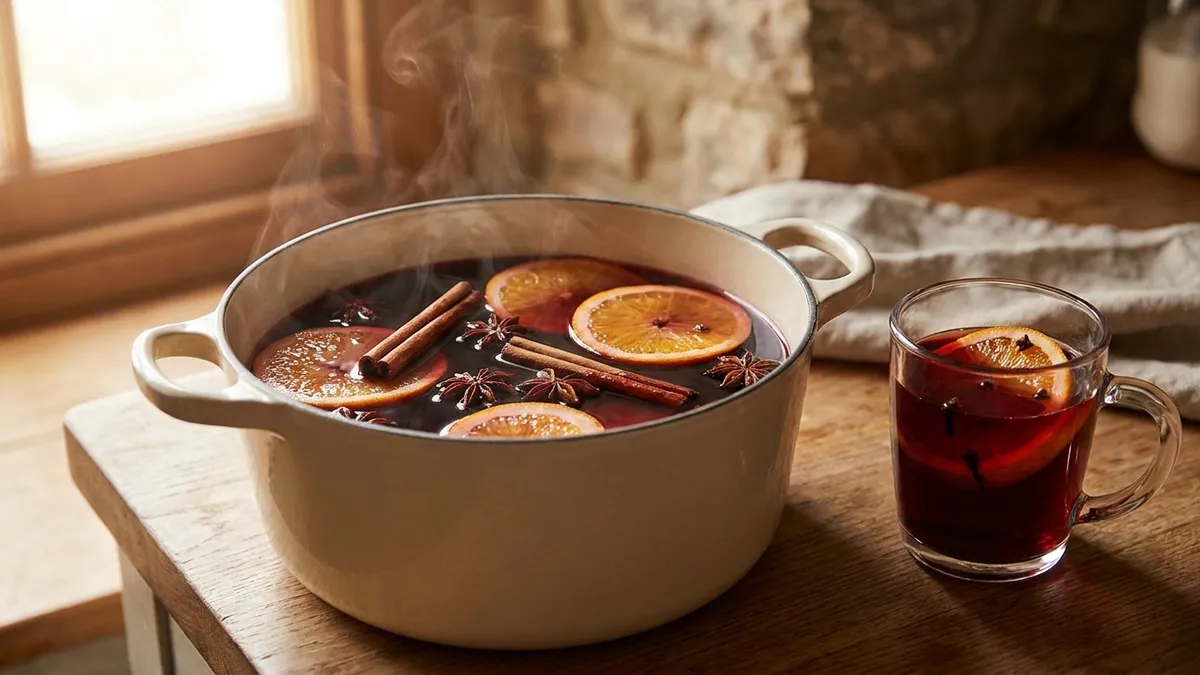
Pour one 750 ml bottle of fruity red into a pot. Add one sliced orange, two cinnamon sticks, four to six whole cloves, one or two star anise and two tablespoons of sugar or honey. Warm it on low until wisps of steam rise, then hold it just below a simmer for 20 to 30 minutes with the lid on. Strain, taste, adjust the sugar, and serve in warmed mugs. That is the classic German Glühwein (literally "glow wine"). Nothing should bubble at any point: heat removes alcohol slowly, and about 40% is still there after 15 minutes of simmering.
What Is the Best Wine for Mulled Wine?
Pick a fruity, low-tannin red that has seen little or no oak, such as Merlot, Grenache or Zinfandel. Heat makes alcohol taste hotter, and cloves and orange pith add their own bitterness on top of tannin (the drying grip on your gums). A soft red full of plum and cherry absorbs spice and sugar without turning harsh.
Oak (barrels that add vanilla, toast or spice) is the second thing to avoid. Spice and sugar already supply the warm notes, and toasty barrel flavours pile on top of them until the mug tastes woody and bitter. Our guide to what "oaked" means lists the label words that signal barrel ageing.
| Wine style | Labels to look for | Why it works or fails | Pick it when |
|---|---|---|---|
| Soft, plummy red | Merlot, young Tempranillo (joven) | Low tannin, ripe plum fruit that survives the spice | You want the classic, crowd-sized pot |
| Juicy, spicy red | Grenache, Garnacha, Zinfandel | Ripe berry fruit and a peppery edge that suits cinnamon | You like it fuller and a bit stronger |
| Light, fresh red | Gamay, Beaujolais | Bright cherry, very little tannin, stays lively when hot | You want a lighter mug for a long evening |
| Tannic or oaky red | Cabernet Sauvignon, reserva, barrel aged | Cloves and pith stack bitterness on the grip and the wood | Keep it for dinner, not the pot |
| Fruity white or rosé | Riesling, Pinot Grigio, Albariño, dry rosé | Fresh fruit and acidity take lighter spice well | Guests want a paler, gentler version |
If the label says Cabernet, "barrel aged" or "reserva", leave it for dinner; if it says Merlot, Garnacha, Zinfandel or a young Tempranillo, it goes in the pot. Spend at the low-middle of the shelf. Spice covers the fine detail an expensive bottle adds, but a wine that tastes stale or vinegary on its own will still taste stale hot. The grape guides for Merlot, Grenache and Zinfandel show how fruity each runs, and the wine budget guide covers where value sits on the shelf.
How Do You Make Mulled Wine Step by Step?
Warm one bottle of red with sliced orange, whole spices and sugar until it steams, hold it there for 20 to 30 minutes, then strain and sweeten to taste. The common modern spice set is cinnamon, cloves, star anise and orange, with vanilla pod as an option.
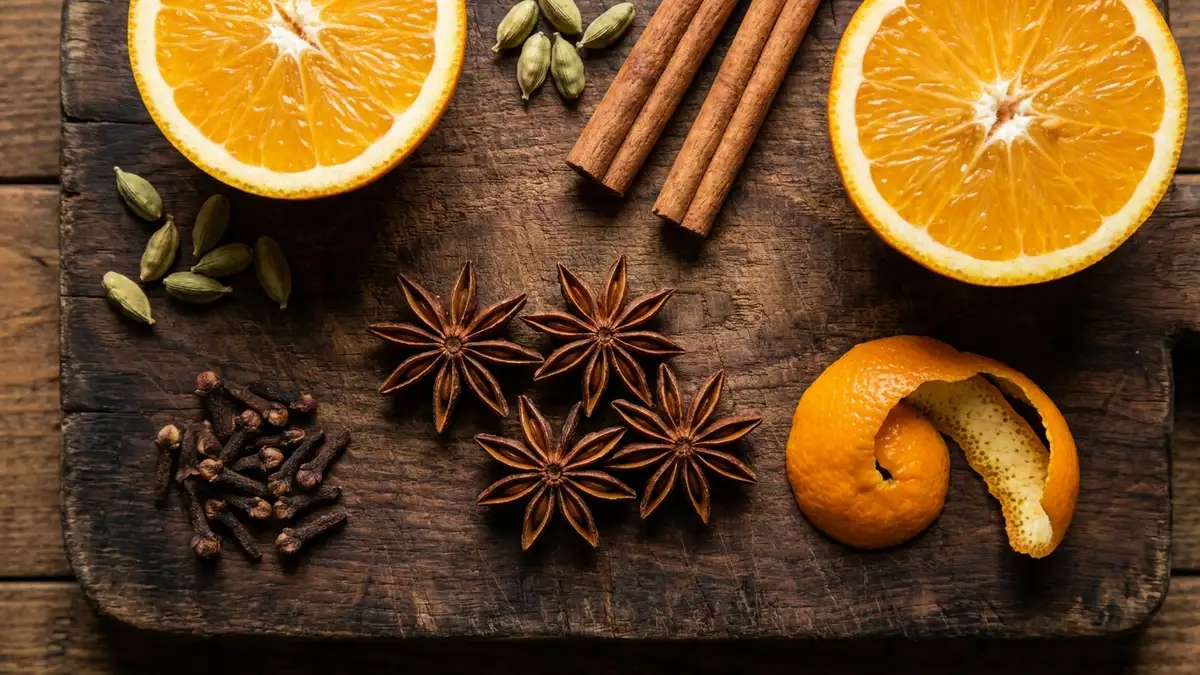
- Prepare the fruit. Slice one orange into rounds. For less bitterness, peel half of it in strips with a vegetable peeler and leave the white pith behind.
- Measure the spices. Use two cinnamon sticks, four to six cloves and one or two star anise per bottle. Whole spices strain out cleanly; ground ones cloud the wine and leave grit in the mug.
- Add sugar a little at a time. Start with two tablespoons of sugar or honey. Sweetness is easier to add than to remove, and it masks some of the tannin.
- Warm gently. Heat on low with the lid on. Glögg (the Nordic version) is traditionally heated to 60 to 70°C, a good target if you own a kitchen thermometer.
- Steep, then strain. Hold it steaming for 20 to 30 minutes, taste, and strain out everything solid.
If you see bubbles break the surface, turn the heat down at once. A splash of brandy or orange liqueur at the end is optional and only makes the drink stronger.
Can You Boil Mulled Wine?
No. A rolling boil drives off alcohol and aroma fastest and pulls bitterness out of the orange pith and the cloves. The wine ends up tasting stewed and hot at the same time, with the fresh fruit gone and only the spice left.
Alcohol does not wait for a boiling point to leave. Pure ethanol boils at 78.2°C, which is why recipes often treat 78°C as the danger line. In a mix of wine and water, though, alcohol evaporates at any temperature, steadily faster as the pot gets hotter. That makes 78°C a speed change, not a switch. Gentle heat slows the loss; bubbles speed it up and carry the fresh orange and spice aromas away with the steam.
Judge the heat by the surface of the pot. Steam rising in thin wisps is right. A ring of small bubbles at the edge of the pot means it is too hot.
Does the Alcohol Cook Off in Mulled Wine?
Only partly, and slowly. USDA figures reported by Wine Spectator put retention at 40% after 15 minutes of simmering and 25% after an hour. A mulled wine steeped for half an hour below a simmer still carries a large share of the original wine's alcohol.
| How the alcohol was heated | Alcohol remaining |
|---|---|
| Flambéed (set alight) | 75% |
| Stirred in, simmered 15 minutes | 40% |
| Simmered 30 minutes | 35% |
| Simmered 1 hour | 25% |
| Simmered 2 hours | 10% |
| Simmered 2.5 hours | 5% |
Those figures come from simmering, which is hotter than a well-made mulled wine. Treat every mug as an alcoholic drink, and make a separate pot of spiced grape juice for anyone avoiding alcohol. The alcohol in wine by type guide shows what most reds start at before they reach the pot.
How Do You Keep It Warm, Make It Ahead or Fix a Bad Batch?
Hold it on the lowest setting of a slow cooker or stove with the lid on, reheat leftovers gently, and fix flaws with sugar, citrus or fresh wine. The lid matters most: it traps the steam that would otherwise carry off alcohol and aroma.
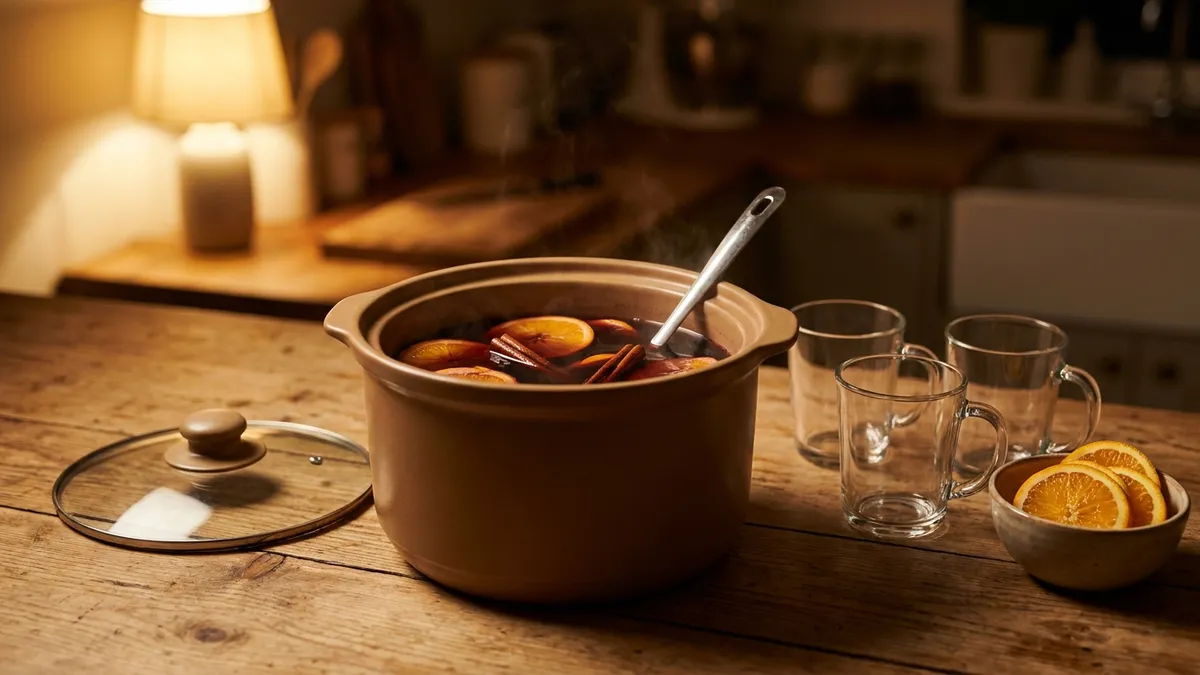
If guests will drink over several hours, serve from a slow cooker; if the pot will empty within an hour, the stove on its lowest setting is enough. For a party, heat the batch on low for about an hour until it steams, then switch to keep-warm. Fish out the cloves and orange after the first hour or so, because they keep releasing bitterness the longer they sit in hot wine.
To make it ahead, strain it, cool it, and keep it covered in the fridge for two or three days. Reheat only what you will serve. Leftover cold mulled wine also works in braises and sauces, and leftover wine uses has more ideas for half-empty bottles.
Taste before serving and adjust:
- Bitter or harsh: add a spoon of sugar or honey, or a splash of water, and remove the spices.
- Flat or dull: squeeze in fresh orange or lemon juice to lift it.
- Thin or stewed: pour in a glass of fresh wine from a new bottle and warm it through.
- Too sweet: add fresh wine and a squeeze of lemon rather than more water.
Can You Make White or Rosé Mulled Wine?
Yes. Use an unoaked, fruity white or a dry rosé, and swap heavy spice for lighter ones such as cardamom, lemon peel and a single cinnamon stick. Riesling, Pinot Grigio and Albariño keep their fresh acidity when warm, which stops the sugar from tasting cloying.
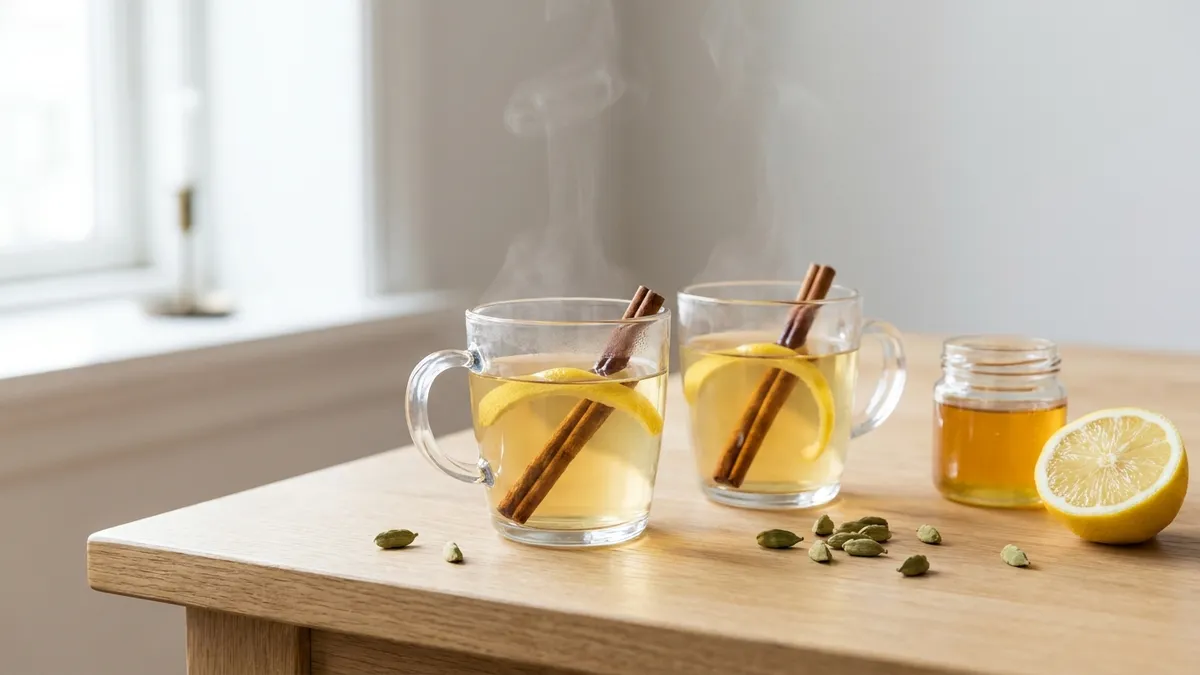
If the base is white or rosé, add a few crushed cardamom pods and honey to that set, and go easy on cloves, which overwhelm delicate fruit. Steep for 15 to 20 minutes instead of 30. In the EU, a white Glühwein must say "white" or similar on the label, so the colour is always named on the bottle. The rosé wine guide explains which rosés are dry enough to use.
Is Glühwein the Same as Mulled Wine?
In the pot, yes: Glühwein is the German name for mulled wine. Nordic countries call it glögg, France vin chaud, Italy vin brulé, Portugal vinho quente and Poland grzane wino. In the shop, Glühwein is also a legal name with its own rules.
EU Regulation 251/2014 files these drinks as aromatised wine-based drinks, meaning wine flavoured with added ingredients. Grape products must make up at least 50% of the volume, and alcohol must sit between 4.5% and 14.5%. Glühwein has stricter rules on top. It must be made only from red or white wine, flavoured mainly with cinnamon or cloves, and reach at least 7% alcohol. Adding water is forbidden.
That changes how to read the label. A bottle that says Glühwein is undiluted, spiced wine. A bottle that says "wine-based drink" or "mulled wine punch" can legally contain other ingredients, so read the back label for juice, water or other additions. Germany, where bottled Glühwein began, has its wine regions covered in the German wine regions guide.
Where Does Mulled Wine Come From?
Spiced wine is ancient, but hot sweet Glühwein in a mug is much newer. The first record of wine being spiced and heated is usually traced to the Roman playwright Plautus's comedy Curculio, from the 2nd century BC. The Romans also made conditum paradoxum, wine sweetened with honey and spiced with pepper, saffron and date syrup, and often served it cold.
Medieval Europe drank Hippocras, wine sweetened and steeped with ground cinnamon, ginger, galangal, cloves, long pepper, nutmeg and cardamom. Spices were a luxury, and they also covered the faults of wine that was going off. That is still the logic of the pot: spice and sugar hide small flaws but cannot rescue a spoiled wine.
The ready-made bottle arrived in 1956, when Rudolf Kunzmann in Augsburg sold the first commercially bottled Glühwein. German law at the time forbade added sugar in wine, and he was fined for it. The sweetened Glühwein on supermarket shelves today descends from that bottle.
Other wines changed by what is added to them are in the wine styles hub, and the Christmas dinner wine guide covers what to open once the mugs are empty. The Sommy app at sommy.wine has a bite-sized Wine 101 course and an AI-guided tasting mode that saves your notes to a tasting journal. Pour a soft red into a pot tonight with an orange and two cinnamon sticks, and turn the heat down the moment a bubble appears.
Sources
- Wikipedia: Mulled wine
- Wine Spectator: Does alcohol burn off when you cook with wine? (USDA retention figures)
- Regulation (EU) No 251/2014 on aromatised wine products, Article 3 and Annex II (legislation.gov.uk copy)
- Wikipedia: Ethanol (boiling point and azeotrope)
- nau.ch: Vom Römerkessel zum Weihnachtsmarkt-Becher
Frequently Asked Questions
What is the best wine for mulled wine?
A fruity, low-tannin red that has seen little or no oak. Merlot, Grenache or Garnacha, Zinfandel, Gamay and young Tempranillo all work. Heat makes alcohol taste hotter, and cloves and orange pith add bitterness on top of tannin, so a big Cabernet or a barrel-aged reserva turns harsh in the pot. A mid-priced bottle is enough, because spice covers the fine detail an expensive wine would add.
Does the alcohol cook out of mulled wine?
Only partly. USDA retention figures show about 40% of the alcohol remains after 15 minutes of simmering, 35% after 30 minutes and 25% after an hour. It takes about two and a half hours to fall to 5%. A typical mulled wine, warmed for half an hour below a simmer, likely keeps more than a third of its alcohol, so treat it as an alcoholic drink.
Can you boil mulled wine?
You should not. A rolling boil drives off alcohol and aroma faster than gentle heat and pulls bitterness from the orange pith and the cloves. Keep the pot steaming with no bubbles. Nordic glögg is traditionally heated to 60 to 70°C, which is a good target if you have a thermometer. At the first bubble, turn the heat down.
Can you make mulled wine ahead and reheat it?
Yes. Make it, strain out the spices so they stop adding bitterness, cool it and keep it covered in the fridge for two or three days. Reheat gently on the stove or in a slow cooker until it steams. Every extra hour of heat removes more alcohol and aroma, so reheat only the amount you will serve rather than holding the whole batch warm all evening.
Can you make mulled wine in a slow cooker?
Yes, and it is the easiest way to serve a crowd. Combine the wine, fruit, spices and sugar, heat on low for about an hour until steaming, then switch to the keep-warm setting with the lid on. Pull the cloves and orange after an hour or so, or the batch slowly turns bitter. Set out a ladle and let guests serve themselves.
What is the difference between Glühwein and mulled wine?
At home, nothing: Glühwein is the German name for mulled wine. In shops it is a legal term. EU rules say a drink sold as Glühwein must be made only from red or white wine, flavoured mainly with cinnamon or cloves, and reach at least 7% alcohol, with no added water. A white version must say so on the label.
Can you use white wine for mulled wine?
Yes. Choose an unoaked, fruity white such as Pinot Grigio, Riesling or Albariño, or use a dry rosé. Lighten the spice: one cinnamon stick, a few cardamom pods, lemon or orange peel and a little honey suit white wine better than a fistful of cloves. Warm it the same way, steaming but never bubbling, and steep it for a shorter time.
Sommy Team
LinkedInFounder & Wine Educator
The Sommy Team is building the world's most approachable wine education app, helping beginners develop real tasting skills through structured courses and AI-guided practice.