Biodynamic Wine Explained: Certification, Calendar, and Truth

By the Sommy Team — AI-assisted, human-edited.
Updated Jul 23, 2026
Contents (9)
- What Is Biodynamic Wine?
- Where Biodynamics Came From: Steiner and 1924
- Organic vs Biodynamic vs Natural: The Difference
- The Biodynamic Preparations, Numbered 500 to 508
- Farming by the Moon: The Biodynamic Calendar
- Certification: Demeter and Biodyvin
- Does Biodynamics Actually Work? What the Science Says
- What Biodynamic Wine Tastes Like
- Is Biodynamic Wine Worth It? How to Approach It as a Beginner
TL;DR
Biodynamic wine is grown by a stricter version of organic farming that treats the vineyard as one living organism, using nine numbered herbal and mineral preparations and a lunar calendar. Certified by Demeter or Biodyvin, it bans synthetic chemicals entirely. The science on its extra practices is mixed, but the farming itself is unusually careful.
Biodynamic wine is one of those terms you see on a growing number of back labels without a clear explanation of what it means. It sits somewhere past organic, wrapped in talk of cow horns, moon phases, and vineyards treated as living creatures. Some of the world's most admired estates farm this way, and plenty of skeptics roll their eyes at it. This guide cuts through both the reverence and the mockery to explain what biodynamic wine actually is, where the ideas came from, and whether any of it changes what ends up in your glass.
What Is Biodynamic Wine?
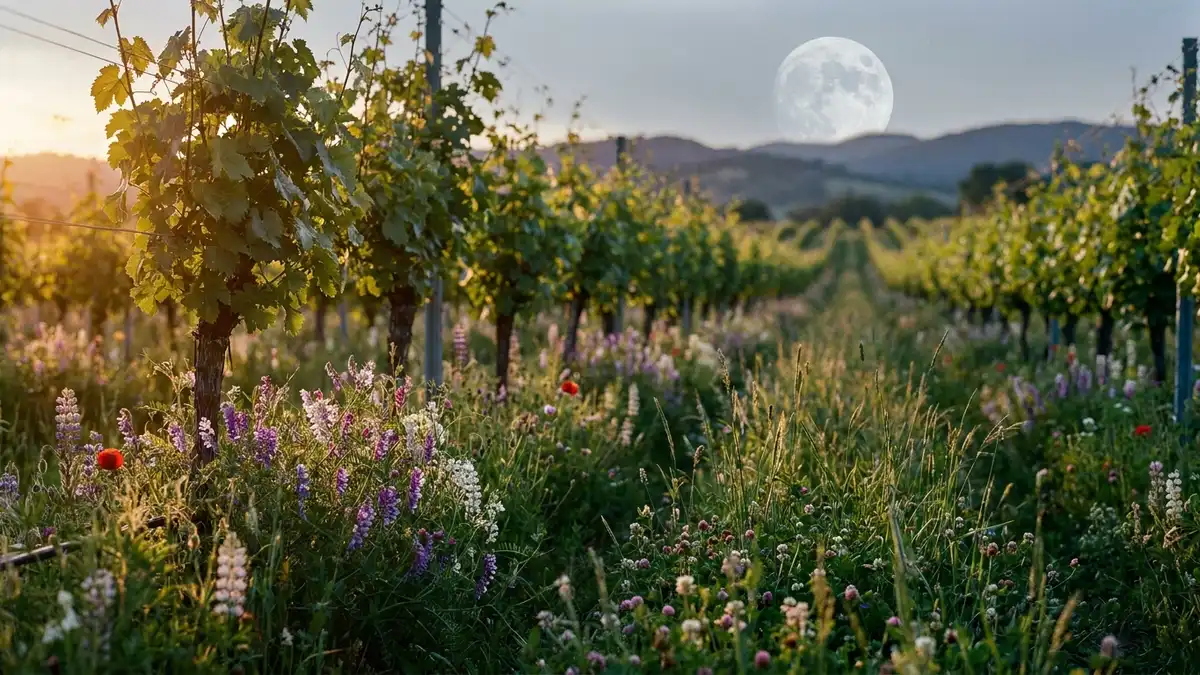
Biodynamic wine is wine made from grapes grown under biodynamics, a holistic farming system that treats the entire vineyard — soil, vines, animals, and surrounding plants — as one self-sustaining organism. It goes further than organic farming: on top of banning all synthetic pesticides, herbicides, and fertilizers, growers apply nine numbered herbal and mineral preparations (labeled 500 to 508), compost on-site, encourage biodiversity, and schedule vineyard tasks around a lunar and planetary calendar. The wine is then made with a restricted list of additives and certified by a body such as Demeter or Biodyvin. In short, it is organic farming plus a specific philosophy, a fixed toolkit, and a calendar.
Where Biodynamics Came From: Steiner and 1924
Biodynamics predates the modern organic movement. It grew out of a series of eight lectures delivered in June 1924 by Rudolf Steiner, an Austrian philosopher and the founder of anthroposophy, to a group of farmers at Koberwitz, then in Germany and now Kobierzyce in Poland. Steiner never farmed himself, and he gave the lectures partly in response to farmers worried about declining soil fertility and animal health in the early industrial-agriculture era.
His central idea was that a farm should be a closed, living whole rather than a factory fed by outside inputs. Fertility should come from the farm's own compost and animals, not bought-in chemicals. Around this ecological core he wrapped an esoteric layer — cosmic rhythms, planetary influences, and specially prepared field sprays — that has no basis in conventional science and remains the reason biodynamics attracts both devotion and ridicule.
What is striking is the timing. Steiner laid this out in 1924, decades before the environmental damage of synthetic agriculture was widely recognized. Whatever you make of the mysticism, the underlying instinct — build soil life, close the loop, farm the whole system — arrived remarkably early.
Organic vs Biodynamic vs Natural: The Difference
These three terms get used interchangeably, but they describe different things. Organic and biodynamic are about farming and both carry certification. Natural is about winemaking and has no legal definition at all. Here is how they line up.
| Approach | What it governs | Certified? | Defining feature |
|---|---|---|---|
| Organic | Farming | Yes (EU leaf, USDA) | No synthetic pesticides, herbicides, or fertilizers; capped sulfites |
| Biodynamic | Farming + some winemaking | Yes (Demeter, Biodyvin) | Organic base plus preparations 500–508, composting, and a lunar calendar |
| Natural | Winemaking | No formal law | Native yeast, minimal additives, little or no added sulfites |
The practical takeaway: every certified biodynamic vineyard meets the organic standard and then exceeds it, so biodynamic is best understood as organic-plus. Natural wine is a separate axis entirely — a natural wine may be farmed conventionally, organically, or biodynamically. For the full picture of that cellar philosophy, see our guide to natural wine explained, and for the baseline comparison read organic vs conventional wine. Note too that none of these farming labels guarantees a vegan wine — whether a bottle is vegan comes down to the fining agent, not the farming.
The Biodynamic Preparations, Numbered 500 to 508
The most talked-about — and most mocked — part of biodynamics is the set of nine preparations, each with a number. They are applied in tiny quantities, either sprayed on the field or added to compost. Two are field sprays and the rest go into the compost pile.
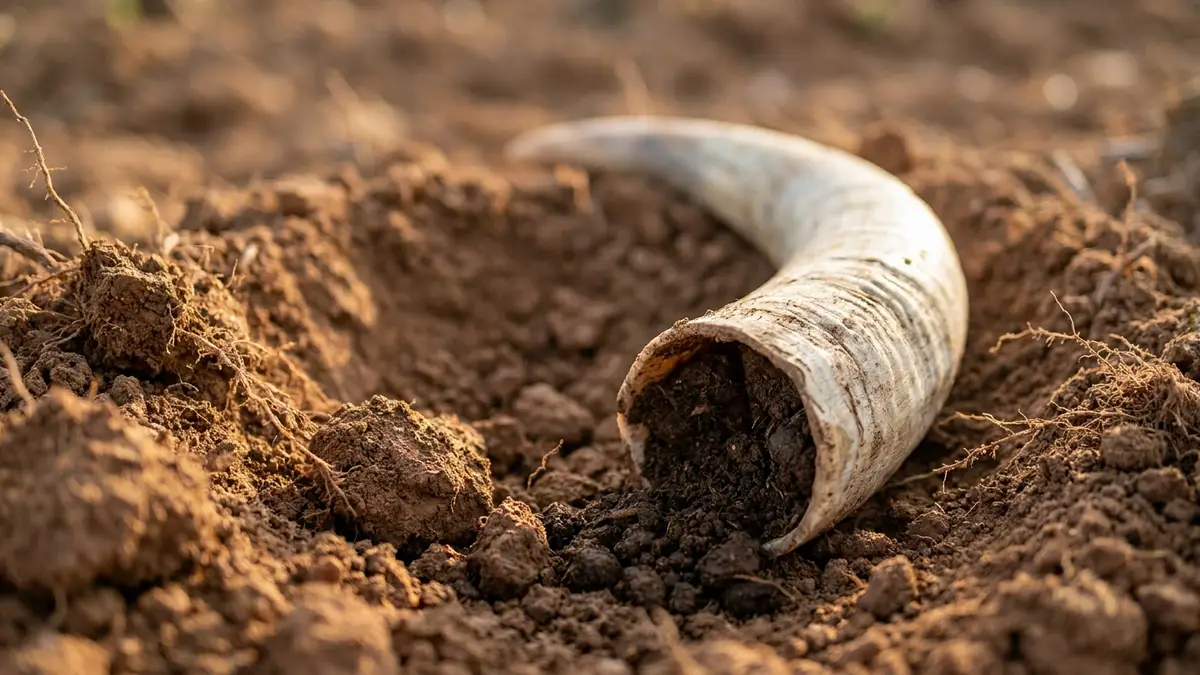
- Preparation 500 (horn manure) — cow manure stuffed into a cow horn and buried over winter, then stirred into water and sprayed on the soil to boost root growth and microbial activity.
- Preparation 501 (horn silica) — finely ground quartz packed in a horn and buried over summer, sprayed as a mist onto the vines to support photosynthesis and ripening.
- Preparations 502 to 507 — six compost preparations made from yarrow (502), chamomile (503), stinging nettle (504), oak bark (505), dandelion (506), and valerian (507). Each is fermented in a specific way and added to the compost to guide how it breaks down and to concentrate trace nutrients.
- Preparation 508 (horsetail tea) — a spray made from the horsetail plant (Equisetum), used to help vines resist fungal disease.
To a scientist, spraying a homeopathic dilution of buried manure on soil looks like magic thinking. To a biodynamic grower, the preparations are catalysts that steer composting and soil biology rather than fertilizers in the usual sense. The honest position is that the quantities are far too small to act as conventional nutrients, and rigorous evidence that the preparations themselves change the vineyard is thin. What they do reliably deliver is a highly structured, attentive composting and spraying routine.
Farming by the Moon: The Biodynamic Calendar
The second signature of biodynamics is timing. Growers follow a biodynamic calendar — most famously the one developed by German researcher Maria Thun — that divides days into four types based on the moon's position against the zodiac: fruit days, flower days, leaf days, and root days. The theory holds that each day-type favors a different kind of work, so pruning, spraying, and even bottling get scheduled to match.
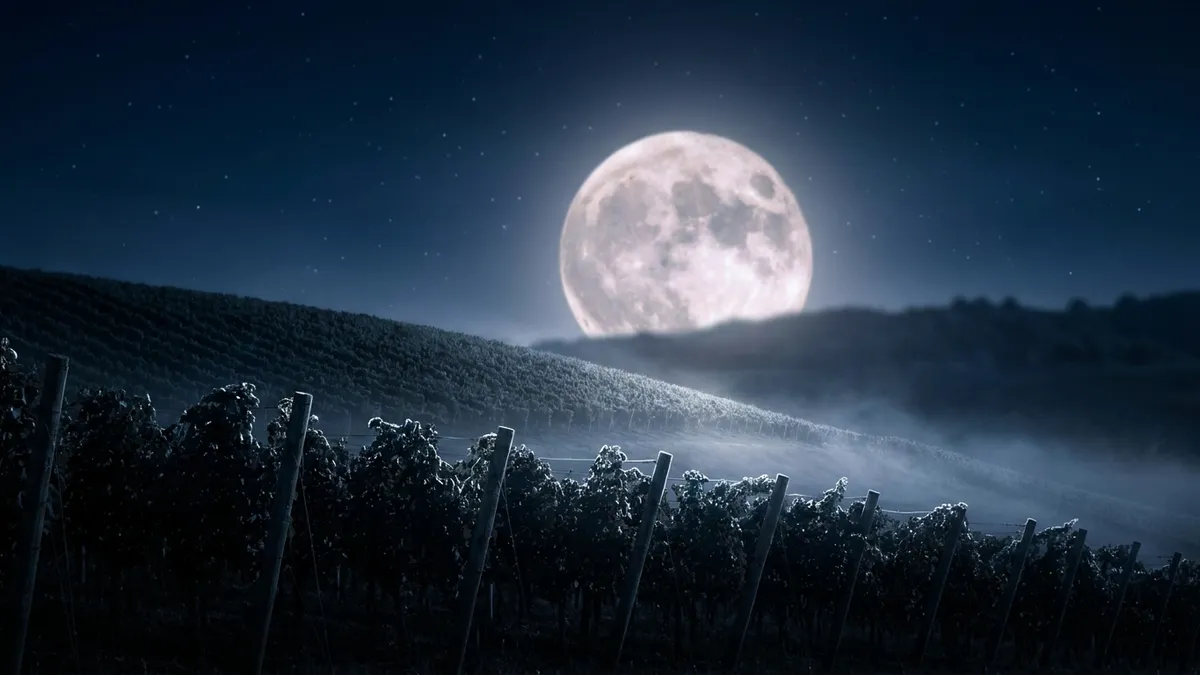
Some sommeliers and importers even claim wine shows better when tasted on a fruit or flower day than on a root or leaf day. This is the part of biodynamics with the least scientific support — controlled tastings have failed to reproduce the effect consistently, and the mechanism has no accepted physical basis. It belongs in the belief column, not the evidence column.
That said, there is a mundane version of the same idea that every good farmer already practices: doing sensitive work when conditions are right. A dry, settled spell is genuinely better for spraying or harvesting than a wet one, calendar or not.
Certification: Demeter and Biodyvin
Because "biodynamic" carries no automatic legal protection on a wine label, certification is what turns the word into a verified claim.
Demeter is the oldest and largest certifier. The Demeter brand was established in 1928, only a few years after Steiner's lectures, and it now operates internationally as the main biodynamic standard across all crops, not just wine. A Demeter-certified wine must come from a vineyard farmed fully biodynamically — including the preparations and a required share of the estate left as biodiversity reserve — and must follow winemaking rules that limit additives and cap sulfites below conventional levels.
Biodyvin, the Syndicat International des Vignerons en Culture Bio-Dynamique, was founded in France in 1995 and certifies many respected European wine estates specifically. Both require at least a three-year conversion period from conventional or organic farming before a vineyard can be certified.
Does Biodynamics Actually Work? What the Science Says
This is the question that matters, and the honest answer is: partly, and not in the way believers claim.
The most cited controlled study, published in the American Journal of Enology and Viticulture in 2005, compared biodynamically and organically farmed blocks in a California vineyard. It found no significant differences in soil quality between the two systems — the preparations did not measurably outperform good organic composting in the ground. It did, however, record some differences in the vines themselves, including smaller grape clusters and higher concentrations of certain compounds in one vintage.
A larger multi-year German study from the Geisenheim research center, published in PLOS ONE in 2015, compared integrated, organic, and biodynamic management. Organic and biodynamic plots produced lower yields than conventional ones but showed some improvements in fruit quality markers — and, crucially, the organic and biodynamic results were broadly similar to each other. In other words, most of the measurable benefit came from dropping synthetic chemicals, not from the biodynamic add-ons.
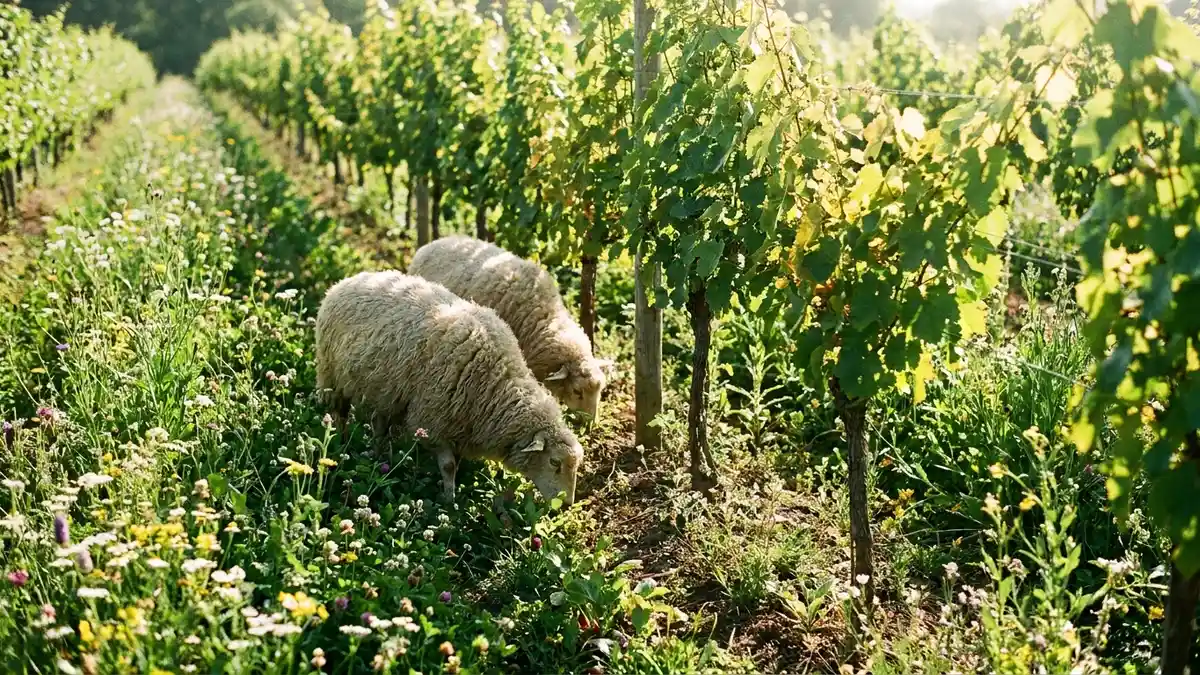
Put together, the evidence points to a clear conclusion. The organic foundation of biodynamics — no synthetic inputs, living soil, biodiversity — has real, repeatable benefits. The distinctly biodynamic layer — the horn preparations and the cosmic calendar — has not been shown to add measurable value on its own. Yet biodynamic wines are frequently excellent, and there is a good non-mystical reason why: the growers who commit to this exacting system tend to be obsessive farmers running low yields and paying attention to every vine. Careful farming makes better fruit, and better fruit is what you taste.
What Biodynamic Wine Tastes Like
There is no single "biodynamic flavor," because the farming method does not impose a taste the way a grape variety or an oak barrel does. A biodynamic Chardonnay still tastes like Chardonnay. What advocates describe — and what careful farming genuinely tends to produce — is wine with more energy, clearer fruit definition, and a sense of place, thanks to healthy soils, ripe-but-balanced fruit, and low yields.
Because many biodynamic estates also work with minimal cellar intervention, some of their wines overlap with the skin-contact and orange wine world, where texture and grip matter as much as fruit. Learning to read those structural cues — tannin, acidity, body — is a skill worth building deliberately, and it is exactly the kind of practice the Sommy app is designed around.
Is Biodynamic Wine Worth It? How to Approach It as a Beginner
For most drinkers, the useful way to think about biodynamic wine is this: it is a strong signal of a careful, ecologically minded producer, not a magic quality stamp. You are not paying for moon phases; you are paying for a farmer who has committed to living soil, low yields, and hands-on attention. That commitment often correlates with very good wine, but the label alone does not guarantee it.
Here is how to explore the category without overthinking it.
- Follow the grape, not the mysticism. Start with a biodynamic version of a grape you already enjoy, so you have a reference point for comparison.
- Look for the logo. A Demeter or Biodyvin mark is your proof the standard was verified. Treat uncertified "biodynamic principles" claims with mild skepticism.
- Taste it against a conventional twin. The clearest lesson comes from a side-by-side with the same grape and region farmed conventionally.
- Judge the wine, not the story. A wine is not better because it was made under a full moon, and it is not worse because it was farmed with cow horns. What is in the glass is what counts.
Biodynamic wine sits at the intersection of serious ecological farming and genuine folklore, and you can appreciate the first while staying clear-eyed about the second. As you build your palate — something our guide to developing your wine palate walks through step by step — you will find that the estates farming this carefully often make some of the most alive, terroir-driven wines around. That is reason enough to seek them out. To go deeper on the tasting method itself, start with how to taste wine, or explore the full range of styles over at Sommy.
Sources
- Soil and Winegrape Quality in Biodynamically and Organically Managed Vineyards — Reeve, J.R. et al., American Journal of Enology and Viticulture, 2005
- Growth, Yield and Fruit Quality of Grapevines under Organic and Biodynamic Management — Döring, J. et al., PLOS ONE, 2015
- The Biodynamic Standard — Demeter International
Frequently Asked Questions
What is biodynamic wine in simple terms?
Biodynamic wine is made from grapes grown under a strict, holistic system that goes beyond organic. Farmers avoid all synthetic chemicals, treat the whole vineyard as a single living organism, apply nine numbered herbal and mineral preparations, and time their work to a lunar and cosmic calendar. The wine is then made with limited additives and certified by Demeter or Biodyvin.
What is the difference between organic and biodynamic wine?
Organic wine bans synthetic pesticides, herbicides, and fertilizers and caps added sulfites. Biodynamic wine includes all of that and adds more: composting with specific herbal preparations, a lunar planting calendar, an emphasis on on-farm self-sufficiency, and tighter winemaking rules. Every certified biodynamic vineyard is effectively organic, but not every organic vineyard is biodynamic.
What are the biodynamic preparations 500 and 501?
Preparation 500 is horn manure: cow manure packed into a cow horn and buried over winter, then diluted in water and sprayed on the soil to stimulate root growth and microbial life. Preparation 501 is horn silica: ground quartz buried in a horn over summer, sprayed as a fine mist to support photosynthesis and ripening. They are the two core field sprays.
Does biodynamic wine taste better?
There is no proof that the specific biodynamic practices make wine taste better on their own. Controlled trials show mixed results — some measured small differences in the grapes, others found none in the soil. What is clear is that biodynamic growers farm with unusual care and low yields, and careful farming reliably improves fruit quality regardless of the label.
How can I tell if a wine is biodynamic?
Look for a certification logo on the back label. Demeter is the largest global biodynamic certifier, and Biodyvin certifies many European estates. Some producers farm biodynamically without paying for certification, so the absence of a logo does not always mean conventional farming — but a logo is your only guarantee that the standard was independently verified.
Is biodynamic wine the same as natural wine?
No. Biodynamic describes how the grapes are farmed and carries a formal certification. Natural wine describes a hands-off cellar approach — native yeast, no additives, minimal sulfites — and has no legal definition. Many natural wines start from biodynamic grapes, but a wine can be one without being the other.
Sommy Team
LinkedInFounder & Wine Educator
The Sommy Team is building the world's most approachable wine education app, helping beginners develop real tasting skills through structured courses and AI-guided practice.