Barolo vs Chianti: Nebbiolo, Sangiovese, and Which to Open

By the Sommy Team — AI-assisted, human-edited.
Updated Oct 1, 2026
Contents (8)
- Barolo vs Chianti, in One Paragraph
- Which Grapes Make Barolo and Chianti?
- How Do Barolo and Chianti Taste Side by Side?
- Which Should You Open With Dinner?
- Do You Need to Age or Decant Them?
- What Do Chianti, Classico, Riserva and Gran Selezione Mean?
- Why Does Barolo Cost More Than Most Chianti?
- Which Should a Beginner Open First?
TL;DR
Barolo is 100% Nebbiolo from Piedmont: pale in colour, high in tannin, aged at least 38 months before sale. Chianti is Sangiovese-led from Tuscany (at least 80% in Chianti Classico): brighter, juicier and mostly ready on release. Open Chianti with tomato dishes tonight; save Barolo for fatty braises, truffle and a bottle with some age.
Barolo vs Chianti comes down to two grapes and one decision. Barolo is Nebbiolo from Piedmont: pale in the glass but full of drying tannin, and built to wait. Chianti is Sangiovese from Tuscany: brighter, juicier and ready the year you buy it. Open Chianti with tomato tonight. Save Barolo for a slow braise and a bottle with a few years on it.
Barolo vs Chianti, in One Paragraph
Barolo is a red from 11 communes in Piedmont, north-west Italy, made only from Nebbiolo and aged at least 38 months before release, 18 of them in wood. Chianti is a red from Tuscany, central Italy, made mostly from Sangiovese (at least 80% for Chianti Classico, 60% for plain Chianti). Barolo needs at least 13% alcohol; basic Chianti needs 11.5% and Chianti Classico 12%. Barolo has one main tier plus Riserva. Chianti has a ladder: Chianti, Chianti Classico, Riserva and Gran Selezione. In the glass, Barolo is paler but grippier, and Chianti is redder, lighter in tannin and fresher. Chianti suits tomato and everyday meals; Barolo suits fat, slow cooking and time.
Which Grapes Make Barolo and Chianti?
Barolo is 100% Nebbiolo grown in Piedmont; Chianti is a Tuscan blend led by Sangiovese, at least 80% of it in Chianti Classico. Both names are places, and both are DOCG (Italy's top tier of protected wine names, with the strictest rules). Barolo became one of the first DOCGs in 1980.
Chianti is a place, not a grape. A bottle labelled Chianti Classico can include up to 20% of other approved grapes alongside the Sangiovese, and plain Chianti up to 40%. Barolo allows no blending at all.
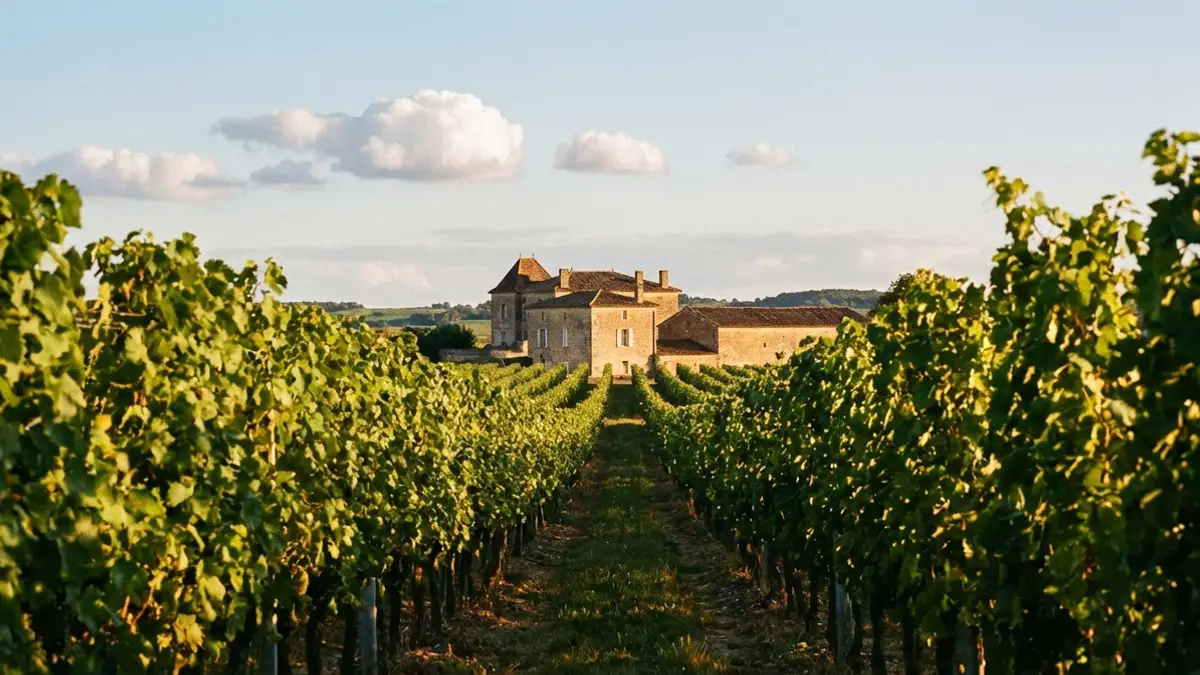
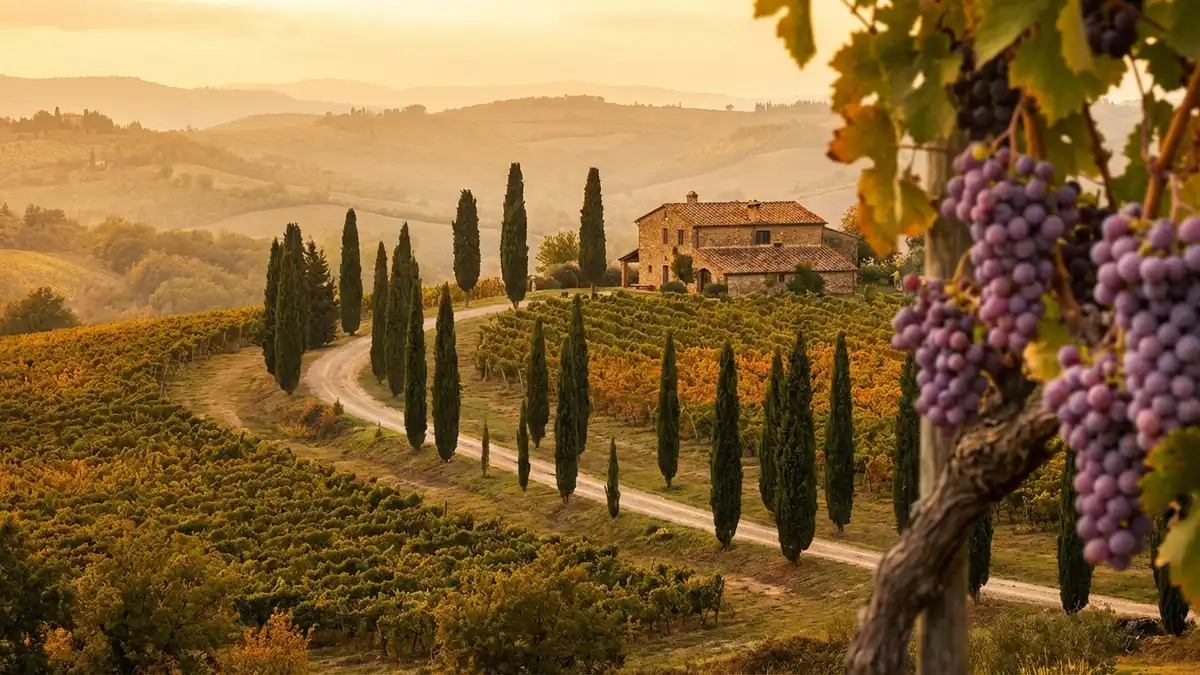
The two zones sit a few hundred kilometres apart. Barolo comes from steep hills south of Alba, in the Langhe. The name Nebbiolo is commonly traced to nebbia, Italian for fog, after the mist that settles in those hills. Chianti covers the hills between Florence and Siena and well beyond. More on each grape in the Nebbiolo guide and the Sangiovese guide.
How Do Barolo and Chianti Taste Side by Side?
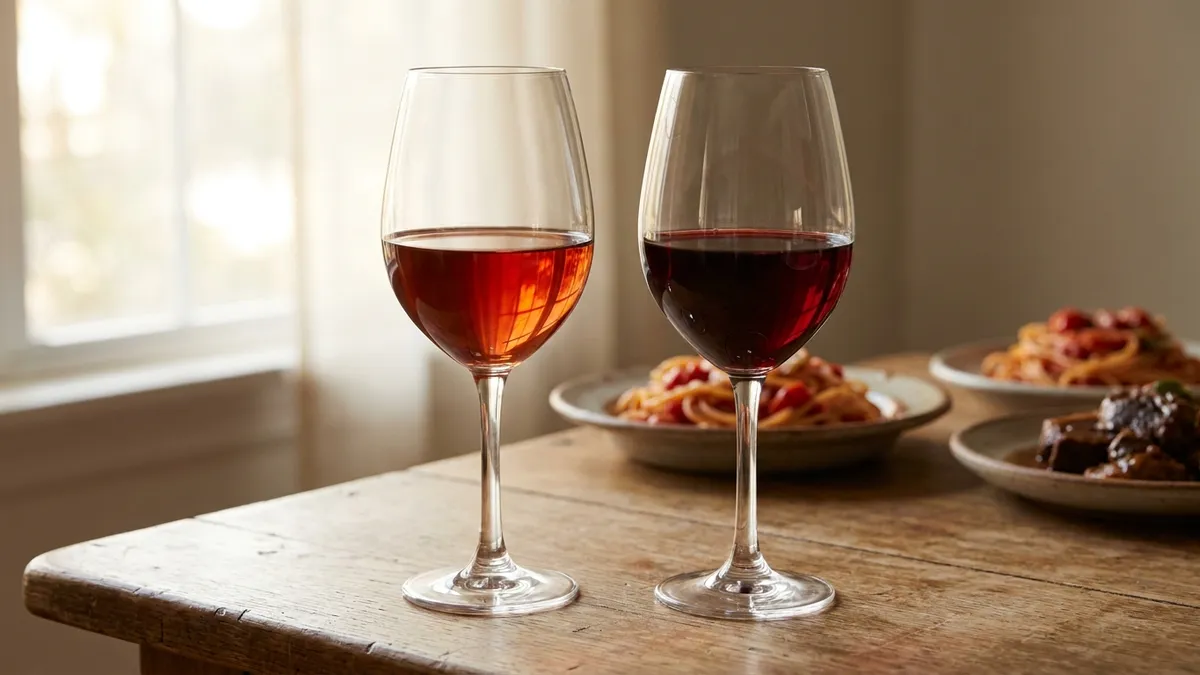
Barolo is paler but far grippier; Chianti is brighter in colour, lighter in tannin and juicier. Both have high acidity (the tartness that makes your mouth water). The real split is tannin (the drying grip on your gums), and Nebbiolo carries much more of it.
Barolo is almost always light in colour: ruby to garnet when young, turning brick and orange with age, and never opaque. That surprises people, because pale reds are often light in body. Barolo breaks the pattern. Its smell is famously described as tar and roses, with sour cherry underneath. Young Chianti smells of fresh sour cherry and dried herbs, because Sangiovese keeps bright fruit and acidity, and the finish is a little bitter, like cherry skin.
| Barolo | Chianti Classico | Open it when | |
|---|---|---|---|
| Grape | 100% Nebbiolo | At least 80% Sangiovese | Want one grape's character: Barolo |
| Region | Langhe hills, Piedmont | Between Florence and Siena, Tuscany | Pairing with local food: match the region |
| Colour | Pale ruby to garnet, orange rim with age | Brighter ruby red | Colour says little about grip |
| Tannin | High, drying when young | Medium | Fatty, slow-cooked dish: Barolo |
| Acidity | High | High | Tomato sauce: Chianti |
| Minimum alcohol | 13% | 12% (11.5% for basic Chianti) | A lighter weeknight glass: Chianti |
| Minimum ageing | 38 months, 18 in wood | 12 months | Tonight with no planning: Chianti |
Which Should You Open With Dinner?
Open Chianti for tomato and Barolo for fat. Tomato is acidic, and a wine with less acidity than the sauce tastes flat and thin beside it. Sangiovese's acidity holds its own, which is why Chianti goes with spaghetti in tomato sauce, pizza and grilled meat finished with lemon and rosemary.
Barolo's tannin needs something to grab. Fat and protein soften it, so the wine feels rounder with each bite. Slow-braised beef, roast lamb, aged hard cheese and mushroom risotto all work. Truffle and porcini echo the earthy, rose-and-tar smell of older Barolo, and Alba, a short drive from the Barolo hills, is Italy's best-known white truffle town.
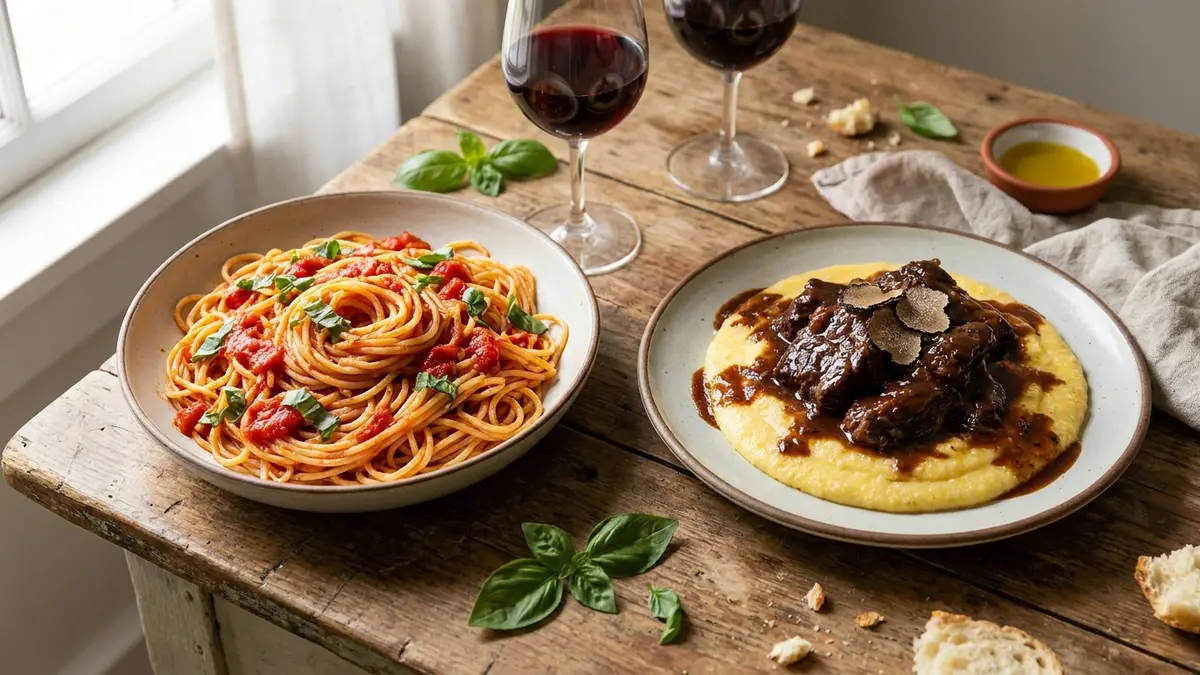
If the sauce is tomato, open Chianti. If the dish is braised, roasted or rich with butter or cheese, open Barolo. If it is light fish or a salad, open neither: young Barolo's tannin turns harsh and metallic next to delicate food. More pairings by sauce sit in wine with pasta and wine with pizza, and the truffle rules in wine with truffles.
Do You Need to Age or Decant Them?
Chianti Classico is ready on release; Barolo usually wants more years and an hour of air. The law already holds Barolo back for over three years, but many still taste tight and drying at release because Nebbiolo's tannin takes time to soften.
To decant is to pour the wine into a jug or decanter so air reaches it. Air softens the first sip of a young, tannic red. A ten-year-old Barolo also gains tertiary aromas (smells that come from age): dried rose, leather, mushroom. The colour moves from garnet toward brick at the rim. Tasting young vs aged wine shows how to spot those changes.
If the Barolo is under about ten years old, decant it an hour before dinner. If it is older, stand it upright for a day and pour it off its sediment just before serving. If it is a young Chianti Classico, pour it straight. Both taste best a little below room temperature, around 16 to 18°C; the serving temperature chart has the full range, and how to decant wine covers the pour.
What Do Chianti, Classico, Riserva and Gran Selezione Mean?
Chianti names a ladder of four label words, and each step up adds rules on ageing, alcohol or grapes. Barolo has only two steps: Barolo and Barolo Riserva (a longer-aged version, 62 months). On a Chianti label, the higher the step, the longer the wine waited and the stricter its grapes:
- Chianti: the broad zone, split into eight subzones including Rufina and Colli Senesi. At least 60% Sangiovese since the 2026 rules (70% before) and 11.5% alcohol.
- Chianti Classico: the historic core between Florence and Siena. At least 80% Sangiovese, 12 months of ageing and 12% alcohol. Only this zone may show the black rooster seal on the neck.
- Chianti Classico Riserva: at least 24 months of ageing and 12.5% alcohol.
- Chianti Classico Gran Selezione: added in 2014. At least 90% Sangiovese, 30 months of ageing, 13% alcohol, and only from the winery's own grapes.
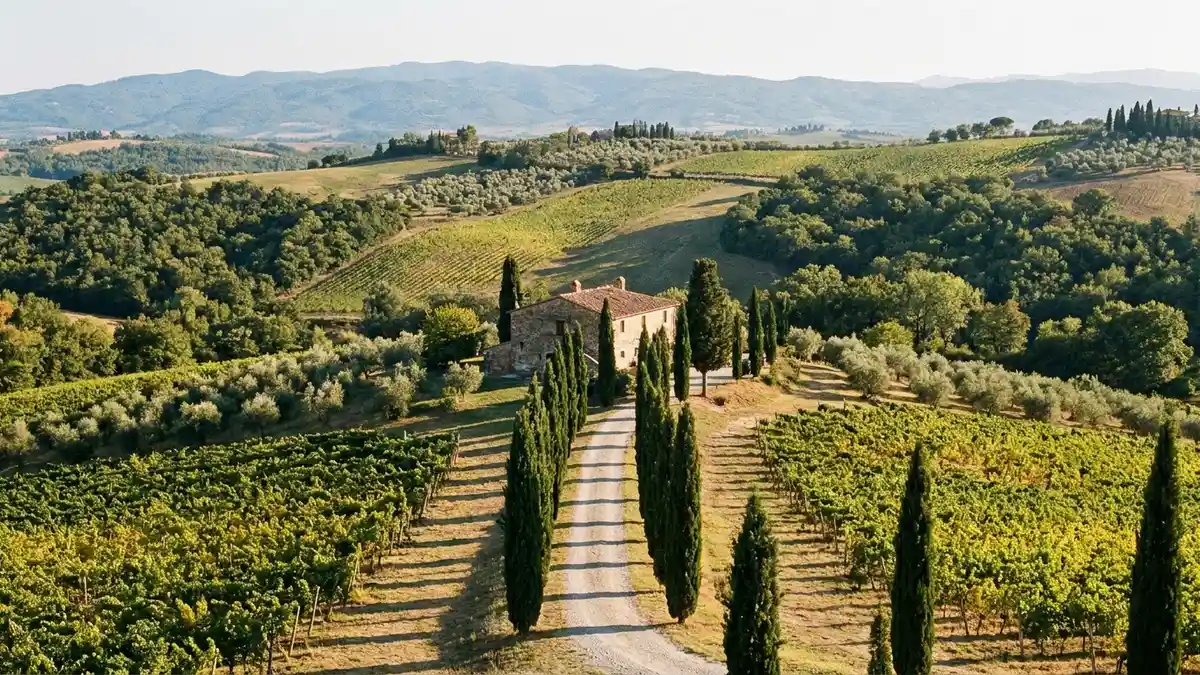
If the neck carries a black rooster, it is Chianti Classico. If the label says Gran Selezione, the wine came from estate grapes and aged at least 30 months, which can put it near Barolo's price bracket. Plain Chianti from the wider zone is the cheaper, lighter weeknight bottle. The Tuscany wine guide maps the other Sangiovese names, and how to read a wine label explains the DOCG strip.
Why Does Barolo Cost More Than Most Chianti?
Barolo spends at least 38 months in the cellar before sale, counted from 1 November of the harvest year, and 18 of those months in wood. Riserva waits 62 months. Every month a wine sits in the winery is a month of tied-up barrels and money.
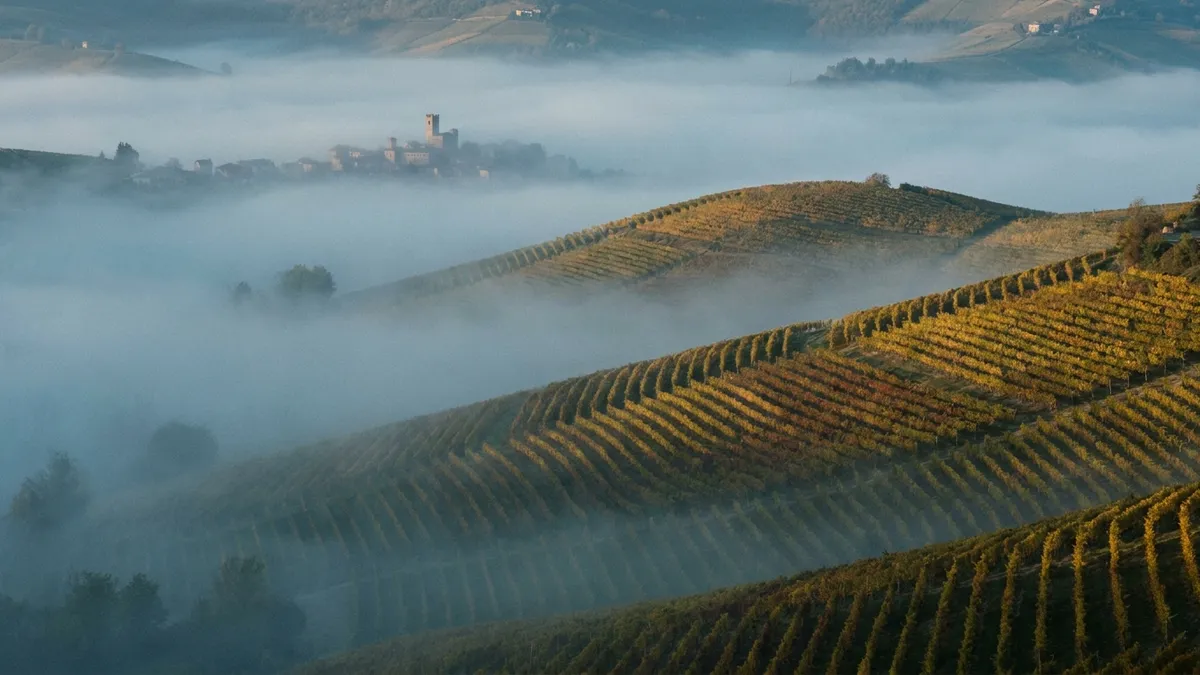
The zone is also small. Barolo covered about 2,057 hectares of vineyards in 2021, spread across 11 communes, and all of it is Nebbiolo. Chianti's eight subzones spread across a much larger part of Tuscany, so there is far more of it at every price.
The overlap sits at the top of the Chianti ladder. A Chianti Classico Riserva or Gran Selezione can cost as much as an entry Barolo. If the budget is under the price of a basic Barolo, buy the best Chianti Classico Riserva it will reach. The Piedmont wine guide places Barolo next to its cheaper Nebbiolo neighbours.
Which Should a Beginner Open First?
Start with a Chianti Classico. It is ready to drink on release, costs less, and shows high acidity clearly next to medium tannin, so it teaches one structural element at a time. A young Barolo throws both acidity and heavy tannin at you at once, which can feel like strong black tea.
If tannin is still hard to name, stay with Chianti Classico Riserva for a few more bottles. If the drying feeling is easy to spot, open a Barolo, ideally the oldest vintage the budget allows. The what are tannins explainer gives a simple test to practise first. The other great Italian reds, from Brunello to Amarone, are in the Italian wine guide and the wine regions hub.
Sommy at sommy.wine has a bite-sized Italy course and an AI-guided tasting mode that walks through look, smell and taste, then saves the notes to a tasting journal. Cook a tomato pasta tonight, open a Chianti Classico and photograph its label in Sommy. Then taste it, score its acidity and tannin, and keep those notes for your first Barolo.
Sources
Frequently Asked Questions
What is the main difference between Barolo and Chianti?
The grape and the place. Barolo is made only from Nebbiolo in Piedmont, north-west Italy, and must age at least 38 months before release. Chianti comes from Tuscany and is mostly Sangiovese: at least 80% in Chianti Classico, 60% in plain Chianti. Barolo is paler but far more tannic and slower to be ready; Chianti is brighter, juicier and usually drinkable the year it reaches the shop.
Is Barolo made from Sangiovese?
No. Barolo is 100% Nebbiolo by law, with no other grape allowed. Sangiovese is the grape of Chianti, Brunello di Montalcino and much of central Italy. The two grapes do share high acidity, which is why both work so well with food, but Nebbiolo carries much more tannin and makes a paler wine that smells of roses and tar.
Is Barolo or Chianti more tannic?
Barolo, clearly. Nebbiolo has thick tannin that dries your gums hard when the wine is young, even though the wine looks pale in the glass. Chianti has medium tannin and more noticeable fresh cherry fruit. That grip is the main reason Barolo needs years in the cellar or an hour in a decanter, while a young Chianti Classico can be poured straight away.
What is the difference between Chianti and Chianti Classico?
Chianti Classico is the original core of the zone between Florence and Siena, with its own stricter rules and the black rooster seal on the neck. Chianti on its own can come from a much wider area split into several subzones. Classico needs at least 12% alcohol against 11.5% for basic Chianti, and its top tiers, Riserva and Gran Selezione, add longer ageing.
Do you need to decant Barolo?
A young Barolo, under about ten years old, benefits from an hour in a decanter or jug before dinner. The air softens the first impression of its tannin and lets the rose and cherry smells come forward. An older Barolo may have sediment, so stand it upright for a day and pour it off gently just before serving rather than airing it for hours.
Which is better for a beginner, Barolo or Chianti?
Chianti Classico. It costs less, is ready to drink on release, and shows Sangiovese's sour cherry and high acidity clearly, so it teaches what acidity feels like. Barolo is easier to appreciate once you can recognise tannin, because a young one can feel like strong tea. Try it after a few bottles of Chianti, ideally an older vintage.
What food goes with Barolo and with Chianti?
Match the wine to what is on the plate. Chianti's high acidity stands up to tomato sauces, pizza and grilled meats with lemon or herbs. Barolo's tannin needs fat and protein to soften it: slow-braised beef, roasts, aged hard cheese, mushroom and truffle dishes. Avoid pairing young Barolo with light fish or salads, which make it taste harsh.
Sommy Team
LinkedInFounder & Wine Educator
The Sommy Team is building the world's most approachable wine education app, helping beginners develop real tasting skills through structured courses and AI-guided practice.