Crisp Wine: What the Word Means and How to Taste It

By the Sommy Team — AI-assisted, human-edited.
Updated Oct 9, 2026
Contents (10)
- What Does Crisp Mean in Wine, in One Paragraph?
- Crisp, Tart or Flabby: Which Word Fits Your Glass?
- How Do You Spot a Crisp Wine When You Taste It?
- Is Crisp Wine the Same as Dry Wine?
- Why Does Acidity Make a Wine Feel Crisp?
- Which Wines Are Usually Crisp?
- Why Does Cold Wine Taste Crisper?
- Can a Red Wine Be Crisp?
- What Food Goes With Crisp Wine?
- How Should You Use "Crisp" in a Tasting Note?
TL;DR
A crisp wine has enough acidity to make your mouth water pleasantly, with little sugar or heavy fruit softening it. Too much acid reads as tart, too little as flabby. Cold service makes any wine taste crisper, and Sauvignon Blanc, Albariño, Assyrtiko and young Riesling are the usual examples.
Crisp wine is wine whose acidity makes the mouth water in a way that feels good, with nothing sweet or heavy in the way. Crispness is felt on the tongue and cheeks, so it can be judged with eyes closed and no idea which fruit is in the glass.
What Does Crisp Mean in Wine, in One Paragraph?
Crisp means a wine has enough acidity (the tartness that makes your mouth water) to feel bright and refreshing, with little or no sugar and no heavy fruit to soften it. VinePair compares the sensation to fresh-squeezed lemonade with the sugar taken out. The Wikipedia glossary of tasting terms calls it simply "a pleasing sense of acidity." The pleasing part matters: crisp is praise. No measured acid level or pH defines it, so it is a judgement your mouth makes. The usual crisp wines are unoaked whites such as Sauvignon Blanc, Albariño, Assyrtiko and young Riesling, served cold.
Crisp, Tart or Flabby: Which Word Fits Your Glass?
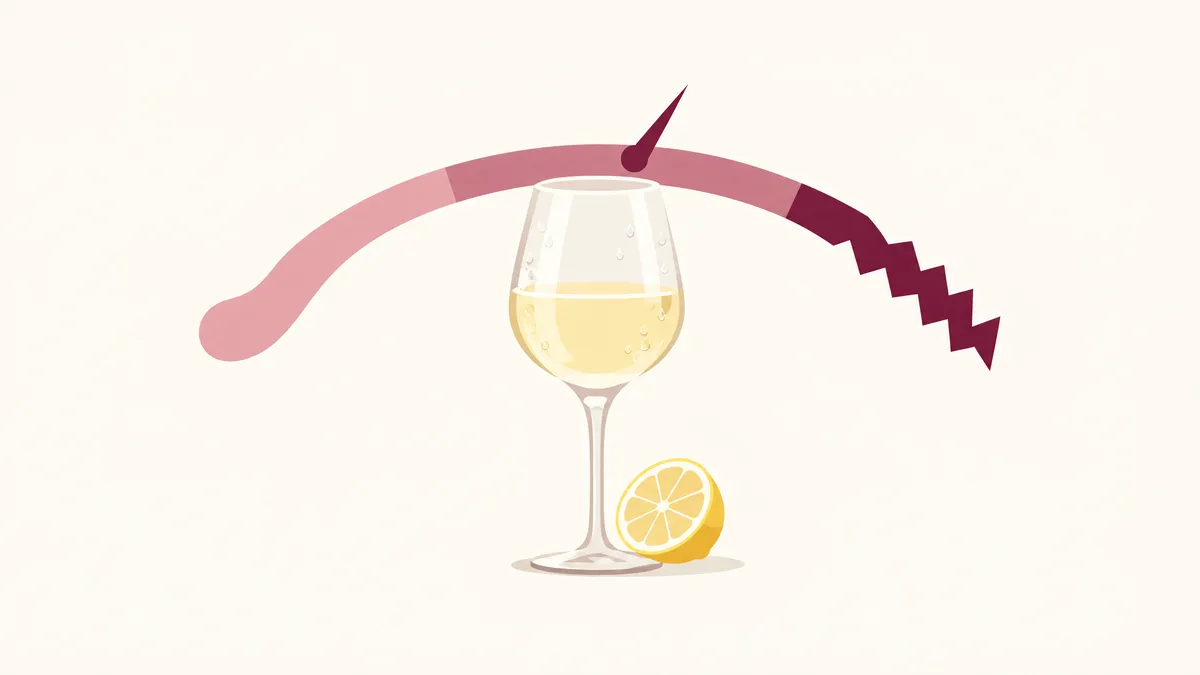
Crisp sits in the middle of a ladder of acid words, between fresh and tart, near the top of the rungs that are pure praise. Wikipedia's glossary sets the anchors: flabby lacks acidity, fresh is a positive sense of it, and tart has a lot of it. Wine Spectator's Dr. Vinny reads snappy as lively and crisp.
| Word | Acid level | Praise or complaint | What your mouth does | What to do with it |
|---|---|---|---|---|
| Flabby | Too low | Complaint | Feels heavy, no watering | Chill it hard, or pour it with rich food |
| Soft | Low | Neutral | Gentle, round, barely waters | Serve slightly warmer to show its fruit |
| Fresh | Medium | Praise | Light watering, clean finish | Drink young, on its own or with salads |
| Crisp | Medium-high, balanced | Praise | Clear watering, wants another sip | Serve cold with salty, fried or lemony food |
| Zesty or snappy | High, lively | Praise | Strong watering, citrus-peel tingle | Pour with oysters, goat cheese or fish and lemon |
| Tart | High | Mixed | Strong watering, a slight pucker | Add food with fat or salt to tame it |
| Sharp or sour | Too high | Complaint | Wince, acid lingers | Let it warm a little and serve with food |
The common myth is that crisp means sour. It is the opposite: crisp is acid in balance, and sour is the word for acid out of it. The rungs between Wikipedia's anchors follow how tasters use the words in practice.
If the wine makes you wince, move up to tart. If it leaves no watering at all, move down to soft.
How Do You Spot a Crisp Wine When You Taste It?
Sip, swallow and wait two seconds: if saliva floods the sides of your tongue and you want another sip, the wine is crisp. Wikipedia names that "mouth watering sensation" as the way tasters detect acidity, and it works for beginners because it needs no vocabulary.
Run the check in three steps:
- Sip a small amount and hold it for a moment before swallowing.
- Tip your head slightly forward and notice how much saliva pools under your tongue.
- Judge the feeling. Watering plus a wish for more is crisp. Watering plus a wince is tart.
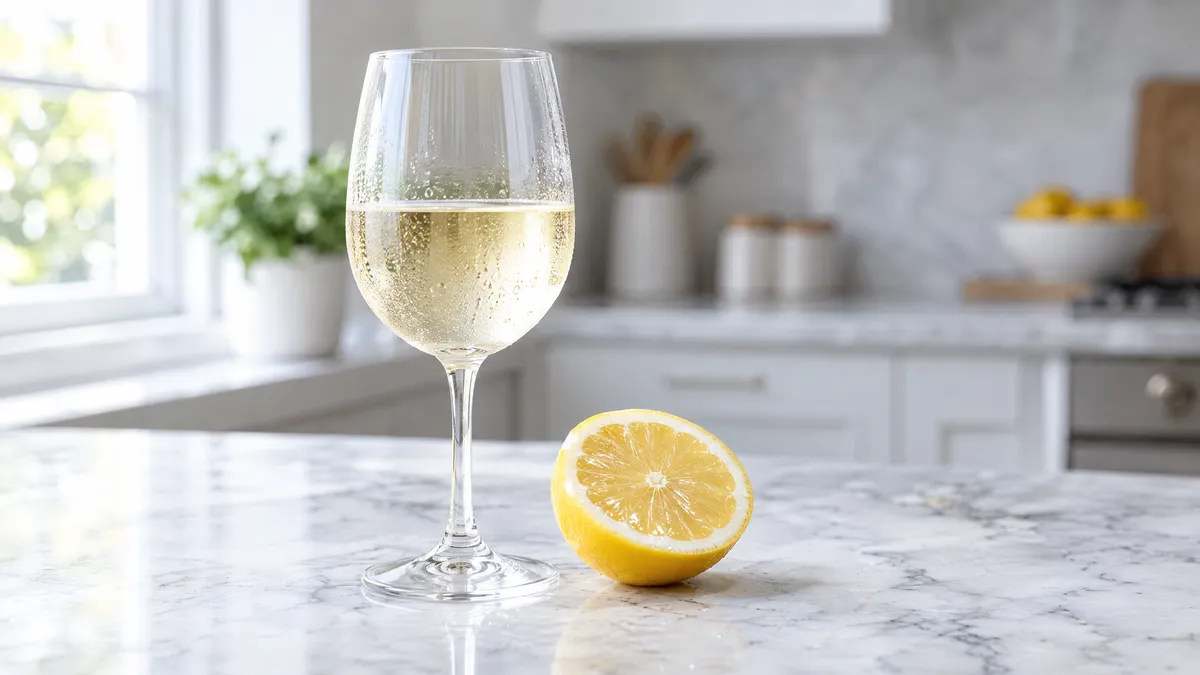
Fruit can fool you. A wine that smells of ripe peach can still be crisp, and one that smells of lemon can be flabby. Ignore the smell for this test and attend to the watering alone. Our guide on how to taste white wine places this step inside the full look, smell and taste routine.
Is Crisp Wine the Same as Dry Wine?
No. Dry (no sugar you can taste) describes sugar, and crisp describes acid, so they are two separate dials that often point the same way. VinePair's definition links them, and for good reason, since sugar dulls how sharp acid feels: the less sugar, the clearer the acid.
That is why most crisp wines are also dry. But the link is not absolute. VinePair's own list of crisp grapes includes young Riesling, which is often off-dry (a touch of sweetness you can just taste). Its acidity is high enough to carry the sugar, so the wine still waters the mouth.
The reverse also holds. A dry wine from a hot place, with low acid and high alcohol, is dry without being crisp. If a wine is labelled dry and tastes heavy, it is short of acid. Our sweet vs dry wine guide shows how to read sugar on the label.
Why Does Acidity Make a Wine Feel Crisp?
Acid triggers saliva, and that rush of saliva is the clean, snapping feeling the word crisp names. Which acids the grapes carry, and how much of each survives winemaking, decide whether the feeling lands as soft, crisp or sharp in the glass.
Tartaric acid is the most common acid in grapes. Malic acid is the second, and the harsher of the two.
Many winemakers soften a wine with malolactic fermentation (bacteria turning sharp malic acid into softer lactic acid). Winemaker Magazine puts the drop in total acidity (all the acid in the wine, measured in grams per litre) at roughly 1 to 2 g/L. That is why a buttery, oaked Chardonnay feels round while an unoaked one from a cool place feels crisp. Our explainer on malolactic fermentation covers the process.
No source sets a total acidity or pH number at which a wine becomes crisp. Sugar, alcohol, fruit and temperature all change how the same acid feels, which is why the judgement stays in your mouth. Our guide to what wine acidity is covers the measurements for readers who want them.
Which Wines Are Usually Crisp?
Sauvignon Blanc, Pinot Grigio, Assyrtiko, Albariño, Torrontés and young Riesling are the white grapes VinePair names as crisp. They share a cause: grapes picked before they are fully ripe, or grown where they ripen slowly, keep plenty of acid and not much sugar.
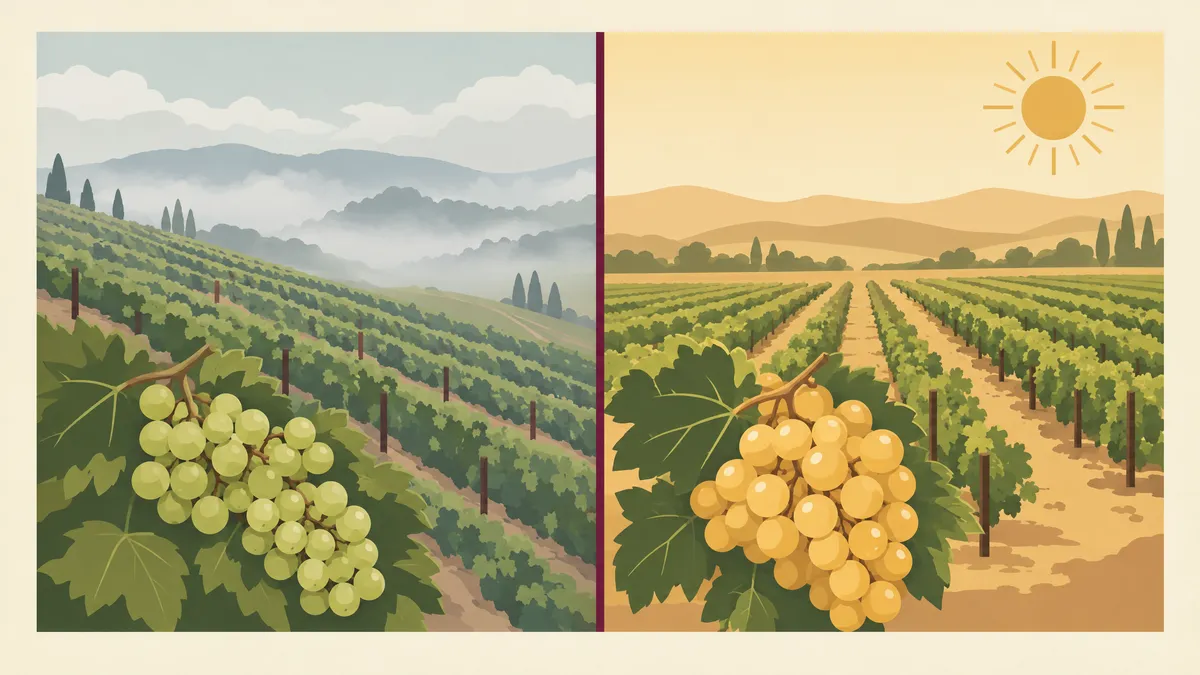
What each of those grapes adds next to the acid:
- Sauvignon Blanc smells of fresh-cut grass and grapefruit, and is often picked early to keep its sharp edge. See the Sauvignon Blanc guide.
- Albariño from Galicia smells of lemon and white peach, grown on a damp Atlantic coast.
- Assyrtiko from Santorini keeps high acid even in Greek heat, so it tastes of lemon and salt.
- Young Riesling smells of lime and green apple, with acid strong enough to carry a little sugar.
Oak and warmth pull the other way. Barrel ageing and malolactic fermentation round off the edge, and very ripe grapes from hot sites lose acid. The climate and wine flavour guide explains why cool places taste sharper.
If the label names one of those grapes or a cool region and says nothing about oak, expect a crisp wine. If it says "barrel-fermented" or "buttery", expect a soft one.
Why Does Cold Wine Taste Crisper?
Cold masks sweetness and alcohol, so the acid stands out more and the same wine reads crisper. Tasting Table puts it plainly: cooler temperatures boost a wine's crispness because the cold hides sugar and alcohol. A white that tasted round on the table snaps back into focus after a spell in the fridge.
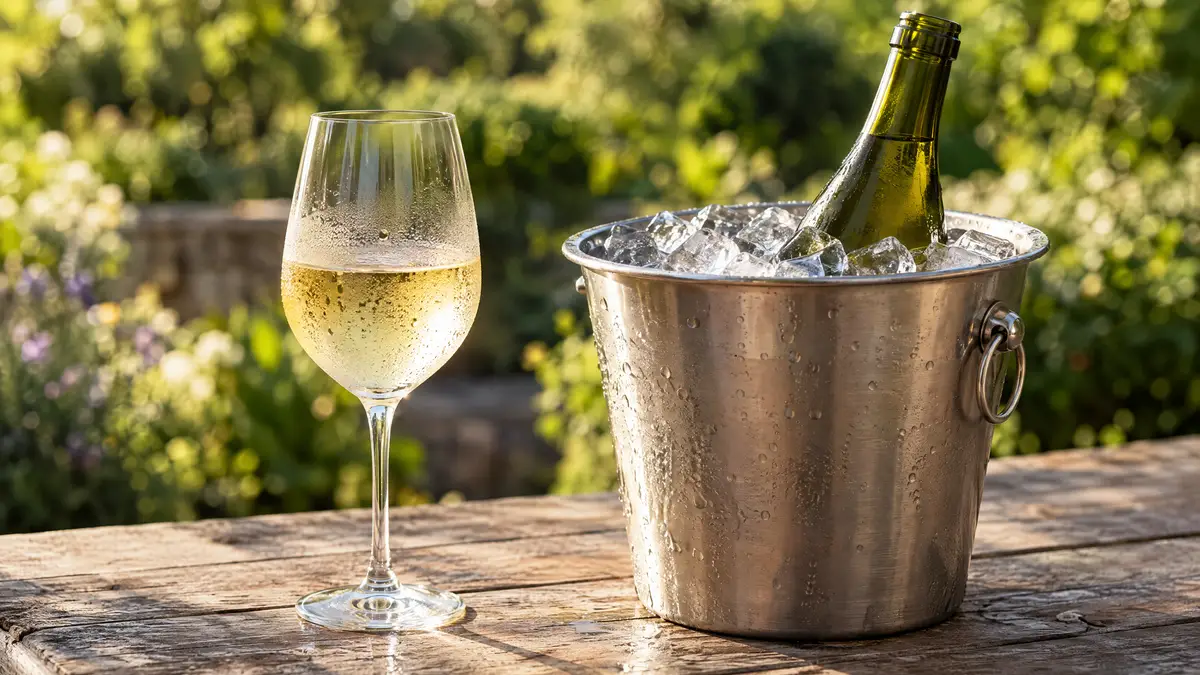
Crisp whites and sparkling wines are usually served at about 4 to 10°C (40 to 50°F), with the lightest styles at the cold end. VinePair's advice for crisp wine is short: serve it cold on a hot day. Too cold has a cost, though, because a fridge-cold wine gives off less smell. The wine serving temperature chart lists each style.
If a white tastes flat or slightly sweet, put it back in the fridge for 20 minutes. If it tastes thin and sharp, cup the bowl in your hand for a minute.
Can a Red Wine Be Crisp?
Yes, though rarely: light, low-tannin reds served cool can be crisp. The word needs acid to lead, and in most reds tannin (the drying grip on your gums) and body (weight, like skimmed versus whole milk) lead instead, so the acid goes unnoticed behind them.
The best example is Gamay, the grape of Beaujolais, which is light and high in acid and is often served lightly chilled. See the Gamay guide for the styles. A big Cabernet Sauvignon is rarely called crisp, however much acid it has, because tannin dominates the feeling. If a red tastes of tart cherry, barely dries your gums and waters your mouth after 15 minutes in the fridge, calling it crisp is fair.
What Food Goes With Crisp Wine?
Crisp wine goes with salty, fried, creamy and lemony food, because acid cuts through fat and matches citrus. Salt in the food also takes the edge off acid, so a white that tastes a little sharp on its own often settles at the table.
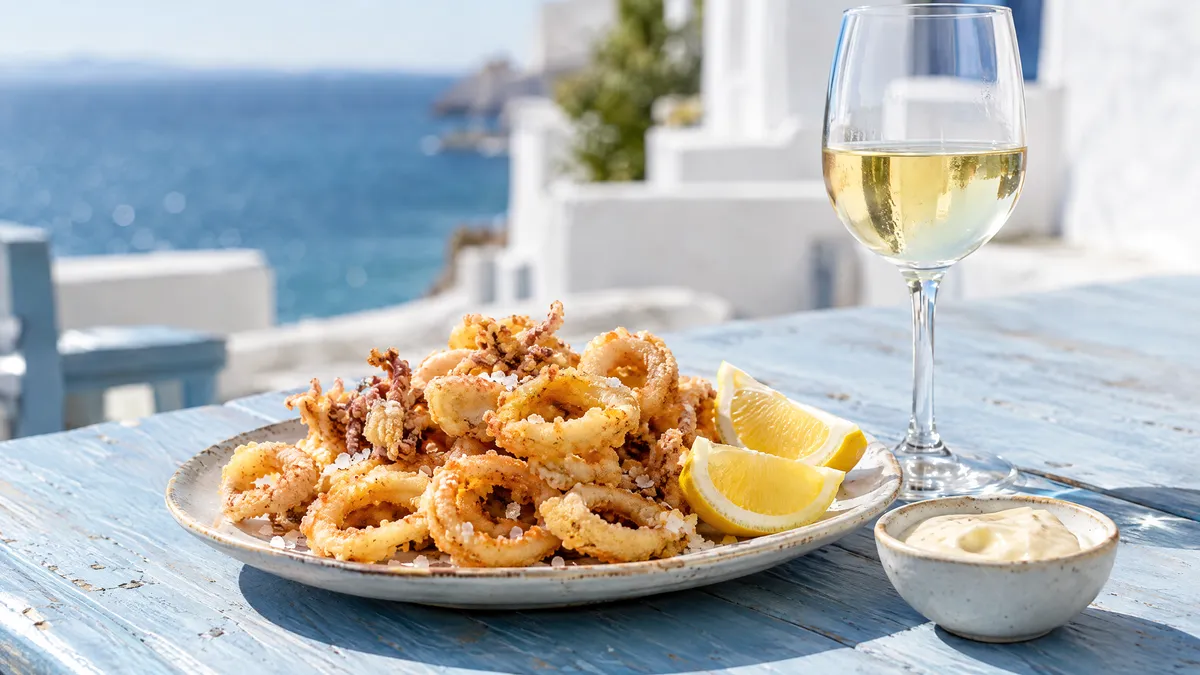
- Fried food such as calamari or fish and chips: acid resets your mouth after each oily bite.
- Oysters and shellfish: the squeeze of lemon they usually get is the same acid a crisp white brings. See wine with oysters.
- Goat cheese: its tang and fat meet the acid head on.
- Vinaigrette salads: a soft wine tastes flat next to vinegar; a crisp one holds up.
If the dish has fat, salt or lemon, choose the crisp wine. If it is sweet or heavily spiced, a crisp, bone-dry white will taste sour beside it, so pick an off-dry one.
How Should You Use "Crisp" in a Tasting Note?
Use crisp only when acid is the first thing you notice and it pleases you, then name one fruit beside it. "Crisp, lemon and green apple" tells a friend more than "nice and refreshing." If you wince, write tart. If the wine feels heavy, write soft or flabby.
The wine tasting vocabulary cheat sheet lists the other structure words, and how to describe wine shows how to build them into a short note. The full routine sits in the how to taste wine hub.
Tonight, open a cold Sauvignon Blanc or Albariño. Taste it straight from the fridge, then again after 20 minutes, and write "crisp" only on the glass that made your mouth water. Sommy can walk you through both glasses and save both notes to your tasting journal.
Sources
Frequently Asked Questions
What does crisp mean in wine?
Crisp means the wine has a clear, pleasant acidity that makes your mouth water, with little or no sugar and no heavy fruit to soften it. Think of the clean sharpness of fresh lemonade without the sweetness. It is a compliment: the acid feels refreshing rather than sour, and it leaves you wanting another sip.
Is crisp wine sweet or dry?
Most crisp wines are dry, because sugar softens how sharp acid feels. But crisp describes acid, and dry describes sugar, so they are separate. A young Riesling with a little sweetness can still taste crisp when its acidity is high enough to balance the sugar. A sweet wine with low acid never does.
What is the difference between crisp and tart wine?
Both words describe noticeable acidity, but crisp means the acid is pleasant and balanced, while tart means there is a lot of it and it is starting to feel sour. A simple test: if the wine makes your mouth water and you want more, call it crisp. If it makes you wince, call it tart or sharp.
Which white wines are crisp?
Sauvignon Blanc, Pinot Grigio, Assyrtiko, Albariño, Torrontés and young Riesling are the white grapes most often described as crisp. They tend to come from cooler places or from grapes picked before they are fully ripe, which keeps acidity high and sugar low. Unoaked versions taste crisper than oak-aged ones.
Can a red wine be crisp?
Yes, though the word is used far more for whites. A light red with high acidity, little tannin and a cool serving temperature can taste crisp, and Gamay from Beaujolais is the classic example. Full, tannic reds such as Cabernet Sauvignon are rarely called crisp, because the drying grip of tannin dominates the feeling in your mouth.
Why does cold wine taste crisper?
Cold masks the taste of sugar and the warmth of alcohol, so the acidity stands out more. The same bottle will taste crisper straight from the fridge than after half an hour on the table. That is why crisp whites are served at about 4 to 10°C (40 to 50°F), at the cooler end for the lightest styles.
What is the opposite of crisp in wine?
Flabby is the opposite of crisp. It describes a wine that lacks acidity, so it feels heavy, dull or syrupy and does not make your mouth water. Soft is a milder, neutral version of the same idea. Flabby wines often come from very hot places where grapes ripened so far that much of their acid disappeared.
Sommy Team
LinkedInFounder & Wine Educator
The Sommy Team is building the world's most approachable wine education app, helping beginners develop real tasting skills through structured courses and AI-guided practice.