Sangiovese: The Grape Behind Chianti, Brunello, and More
Sommy Team
Founder & Wine Educator
April 11, 2026
8 min read
TL;DR
Sangiovese is Italy's most planted red grape and the soul of Tuscan wine. It produces everything from everyday Chianti to age-worthy Brunello di Montalcino, with flavors of tart cherry, tomato leaf, leather, and herbs. Its high acidity makes it one of the best food wines on earth, especially with tomato-based Italian cuisine.
What Is Sangiovese Wine?
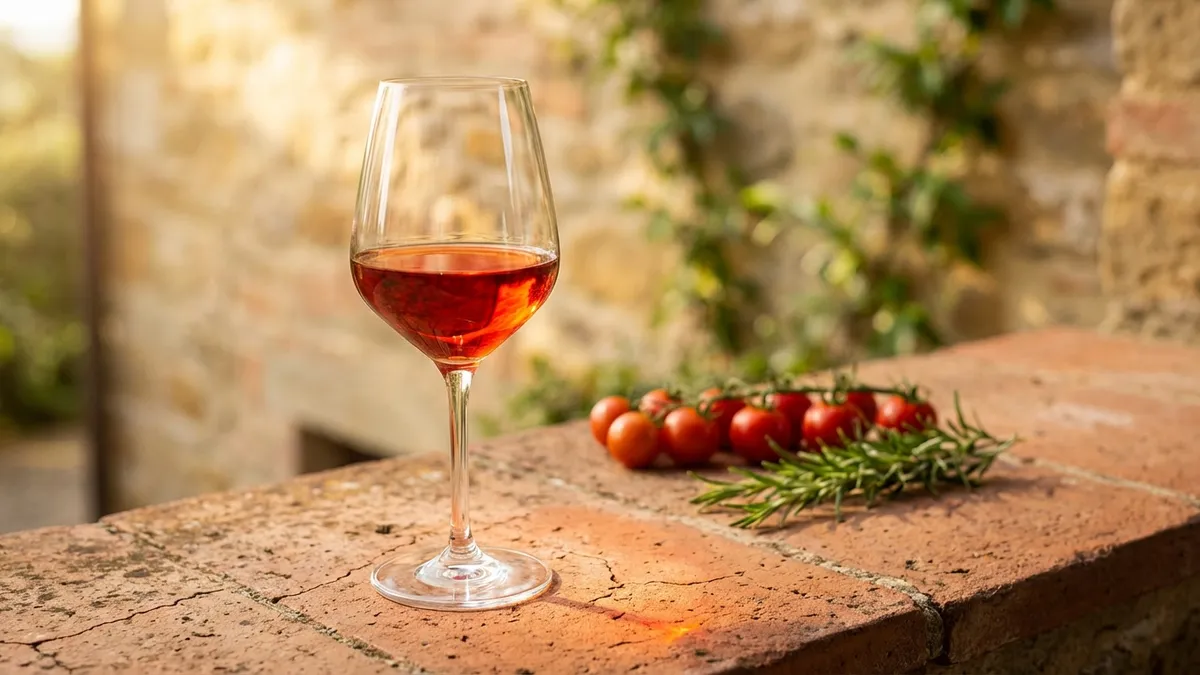
Sangiovese is Italy's most planted red grape and the variety that defines Tuscan wine. Its name translates to "blood of Jove" — a fitting title for a grape that runs through the veins of some of Italy's most celebrated wines, from humble trattoria Chianti to world-class Brunello di Montalcino.
With over 70,000 hectares planted across Italy — accounting for roughly 10% of all Italian vineyard land — sangiovese wine is everywhere in central Italy. But the grape's true home is Tuscany, where the combination of rolling hills, clay-limestone soils, warm days, and cool nights produces wines of remarkable character: tart cherry fruit, savory herbs, earthy leather, and a bright acidity that makes every sip call out for food.
What makes Sangiovese fascinating is its sensitivity to place. Move it a few kilometers and the wine changes. The same grape produces light, easy-drinking Chianti in one vineyard and dense, powerful Brunello in another. Understanding where Sangiovese grows — and what the label tells you — is the key to unlocking one of the most rewarding grapes in the world.
Sangiovese Tasting Notes and Flavor Profile
Sangiovese has a distinctive flavor signature that, once you learn to recognize it, is instantly identifiable.
Core Characteristics
- Fruit — tart cherry (the hallmark), red plum, strawberry, sometimes dried fig in riper examples
- Savory/herbal — tomato leaf, oregano, thyme, dried roses, potpourri
- Earth — leather, clay, brick dust, tobacco, smoke
- Structure — high acidity, moderate to firm tannins, medium body
- Alcohol — typically 12.5–14.5%
The tart cherry note is Sangiovese's calling card — brighter and more sour than the ripe blackberry of Malbec or the black cherry of Cabernet Sauvignon. The tomato-leaf herbaceousness is another distinctive marker, which is why the grape pairs so naturally with Italian tomato-based cooking.
How Sangiovese Looks in the Glass
Sangiovese tends toward a lighter, more translucent ruby-red than many other Italian reds. In aged examples — especially Brunello Riserva — the color shifts to garnet with pronounced orange-brown edges at the rim. This relatively quick color evolution is a useful visual clue during wine color assessment and a sign that the grape's pigment compounds (anthocyanins) are less stable than those in darker varieties like Cabernet or Syrah.
Key Sangiovese Wines and Regions
Sangiovese appears under many names on Italian labels. The region — not the grape — usually gets top billing.
Chianti
Chianti is Sangiovese's most famous expression and one of the world's best-known red wines. The Chianti zone sprawls across central Tuscany, producing wines that range from simple and fruity to complex and age-worthy.
- Minimum Sangiovese: 70% (up to 100%)
- Common blending partners: Canaiolo, Colorino, Cabernet Sauvignon, Merlot
- Style: Medium-bodied, tart cherry, herbs, moderate tannins
- Price: Entry-level Chianti offers some of the best value in Italian wine
Basic Chianti is meant for everyday drinking — pour it with pasta and do not overthink it. But within the Chianti zone, quality varies enormously based on sub-region and producer.
Chianti Classico
Chianti Classico is the historic heart of the Chianti region — the original zone between Florence and Siena. It requires a minimum of 80% Sangiovese and generally produces more structured, complex wines than basic Chianti.
- Chianti Classico — Minimum 12 months aging. Fresh, vibrant, food-friendly.
- Chianti Classico Riserva — Minimum 24 months aging. More depth and structure.
- Chianti Classico Gran Selezione — The top tier, introduced in 2014. Single-vineyard wines with minimum 30 months aging.
The higher altitude vineyards, stricter regulations, and better-quality Sangiovese clones in the Classico zone produce wines with more intensity, finer tannins, and greater aging potential.
Brunello di Montalcino
Brunello di Montalcino is Sangiovese's most prestigious and age-worthy expression. Made from 100% Sangiovese (locally called Brunello) in the warmer, south-facing hills around the town of Montalcino, these wines are powerful, concentrated, and built for the long haul.
- Aging requirements: Minimum 5 years from harvest to release (2 years in oak, 4 months in bottle)
- Riserva: Minimum 6 years before release
- Style: Full-bodied, intense dark cherry and plum, leather, tobacco, earth, firm tannins
- Aging potential: 20–30+ years for top vintages
Brunello is to Sangiovese what Barolo is to Nebbiolo — the grape pushed to its maximum expression of power and complexity. The price tag reflects this ambition.
Rosso di Montalcino
The "little sibling" of Brunello. Made from the same vineyards and grape, but with shorter aging requirements (minimum 1 year). Rosso di Montalcino offers a taste of Brunello character at a more accessible price, and is ready to drink younger.
Vino Nobile di Montepulciano
From the hilltop town of Montepulciano (not to be confused with the Montepulciano grape from Abruzzo), this wine requires a minimum of 70% Sangiovese (locally called Prugnolo Gentile). The style sits between Chianti Classico and Brunello — more structured than Chianti, with red plum, violet, and spice notes.
Super Tuscans
In the 1970s and 1980s, some Tuscan winemakers began experimenting with blends that broke the traditional Chianti rules — combining Sangiovese with Cabernet Sauvignon, Merlot, or Syrah, or making 100% Sangiovese wines outside the Chianti regulations. These wines, initially classified as humble Vino da Tavola, turned out to be extraordinary. The market called them Super Tuscans.
Today, many Super Tuscans are classified under the IGT Toscana designation. They showcase what happens when Sangiovese's bright acidity meets the structure and depth of international varieties.
Beyond Tuscany
Sangiovese appears across central Italy:
- Emilia-Romagna — Sangiovese di Romagna, a lighter, simpler style
- Umbria — Often blended with Sagrantino or Merlot
- Marche — Found in Rosso Conero and other regional blends
- Corsica (France) — Known as Nielluccio, producing structured, aromatic reds
How to Pair Sangiovese Wine with Food
Sangiovese is one of the most naturally food-friendly red grapes in existence. Its high acidity and savory character were shaped by centuries of evolution alongside Italian cuisine.
The Perfect Italian Table
- Tomato-based pasta — Spaghetti Bolognese, penne arrabbiata, lasagna. Sangiovese's acidity mirrors tomato's brightness. This is the definitive pairing.
- Pizza — Margherita, sausage, mushroom, or any pizza with a tomato base. The wine's herbs echo the oregano on the pie.
- Grilled meats — Bistecca alla Fiorentina (Florentine T-bone) is the iconic match. Also excellent with lamb chops, sausages, and pork.
- Cured meats — Prosciutto, salami, sopressata. The salt and fat in charcuterie are balanced by Sangiovese's acidity.
- Hard Italian cheeses — Parmigiano-Reggiano, Pecorino Toscano, aged Provolone. The umami in aged cheese amplifies Sangiovese's savory depth.
- Eggplant — Parmigiana, caponata, or simply grilled with olive oil and herbs.
Beyond Italian Cuisine
- Roasted vegetables — Bell peppers, zucchini, mushrooms with rosemary and thyme
- Bean dishes — White bean stew, ribollita, farro soup
- Mild curries — Sangiovese's acidity and medium tannins handle moderate spice well
For more pairing principles, see the wine and food pairing guide.
What to Avoid
Sangiovese's high acidity and moderate tannins can clash with very rich, fatty dishes that need a bigger wine — think heavily marbled wagyu or butter-drenched lobster. For those, reach for something with more body and softer acidity, like Malbec or a warm-climate Shiraz.
Serving Sangiovese
Temperature
Serve Sangiovese at 16–18°C (60–65°F). Lighter Chianti can go slightly cooler — around 14–16°C — to highlight its fresh cherry character. Fuller Brunello benefits from the warmer end to let its complex aromatics develop. For more detail, see the wine serving temperature chart.
Decanting
- Basic Chianti — No decanting needed.
- Chianti Classico Riserva — 20–30 minutes opens up the wine.
- Brunello — 30–60 minutes, especially for young bottles. Aged Brunello should be decanted gently for sediment but may fade quickly — taste early.
Aging Potential
- Basic Chianti: 1–4 years
- Chianti Classico: 3–8 years
- Chianti Classico Riserva/Gran Selezione: 8–15 years
- Rosso di Montalcino: 3–7 years
- Vino Nobile: 5–12 years
- Brunello di Montalcino: 10–30+ years
- Brunello Riserva: 15–40+ years
Sangiovese vs Other Italian Reds
Understanding where Sangiovese fits among Italy's other great red grapes helps you choose the right bottle.
| Feature | Sangiovese | Nebbiolo | Barbera | Montepulciano | |---|---|---|---|---| | Body | Medium | Full | Medium-full | Full | | Tannins | Moderate-firm | Very high | Low | Moderate | | Acidity | High | High | Very high | Medium | | Key flavors | Cherry, herbs, leather | Rose, tar, cherry | Dark cherry, plum | Black fruit, cocoa | | Aging | 3–30+ years | 10–40+ years | 2–8 years | 3–10 years | | Best with | Tomato pasta, pizza | Risotto, truffle | Rich pasta, stew | Grilled meats |
Building Your Sangiovese Tasting Skills
Sangiovese is an excellent grape for learning to identify acidity and savory complexity in wine. Its tart cherry and herbal notes are distinctive enough to pick out even for beginners.
Try tasting a basic Chianti alongside a Chianti Classico Riserva — the step up in complexity, structure, and depth is immediately apparent. Pay attention to the mouthfeel: the basic Chianti will feel lighter and brighter, while the Riserva will have more weight, firmer tannins, and a longer finish.
For an even more revealing exercise, taste a Sangiovese-based Chianti next to a Tempranillo-based Rioja — two of Europe's great food wines side by side. Both are savory and medium-bodied, but the differences in fruit character, oak treatment, and acidity teach you volumes about how terroir and tradition shape a wine.
The Sommy app includes guided tasting exercises that help you identify exactly these kinds of differences — from the tart cherry fruit to the herbal, savory notes that make Sangiovese unique. Building your tasting vocabulary around Sangiovese teaches you to appreciate a style of wine that prizes restraint and food-friendliness over sheer power, and that is a skill that serves you well across all of Italian wine.
Frequently Asked Questions
What does Sangiovese taste like?
Sangiovese tastes of tart cherry, red plum, and strawberry, with secondary notes of tomato leaf, dried herbs (oregano, thyme), leather, tobacco, and clay. It has high acidity, moderate tannins, and a distinctly savory, earthy character that sets it apart from fruit-forward New World reds.
Is Chianti the same as Sangiovese?
Chianti is a wine region, not a grape. Chianti wines must contain at least 70 percent Sangiovese (80 percent for Chianti Classico), often blended with Canaiolo, Colorino, or international varieties like Cabernet and Merlot. So Chianti is Sangiovese-based, but not necessarily 100 percent Sangiovese.
What is the difference between Chianti and Brunello?
Chianti is a blend (minimum 70 to 80 percent Sangiovese) from the Chianti zone in Tuscany. Brunello di Montalcino is 100 percent Sangiovese from the town of Montalcino, aged for a minimum of 5 years before release. Brunello is generally more powerful, concentrated, and expensive, with greater aging potential.
Is Sangiovese dry or sweet?
Sangiovese is a dry red wine with no significant residual sugar. Its tart cherry fruit and high acidity can make it taste quite lean and savory compared to riper, fruitier reds like Malbec or Zinfandel.
What food pairs best with Sangiovese?
Sangiovese was born for Italian food. Its high acidity makes it a perfect match for tomato-based pasta, pizza, eggplant Parmigiana, and lasagna. It also pairs well with grilled meats, cured sausages, hard Italian cheeses like Parmigiano-Reggiano, and roasted vegetables with herbs.
How long can Sangiovese age?
It depends on the style. Basic Chianti is best within 3 to 5 years. Chianti Classico Riserva can age 8 to 15 years. Brunello di Montalcino is built for long aging and can develop beautifully for 20 to 30 years or more in the best vintages.
Is Sangiovese grown outside of Italy?
Yes, but in small quantities. Argentina, California, Washington State, and Australia all have Sangiovese plantings. Corsica (France) grows a related variety called Nielluccio. However, the grape seems to thrive best in Tuscany, and Italian plantings dwarf all others combined.
What does Brunello di Montalcino mean?
Brunello is the local name for the Sangiovese clone grown around the town of Montalcino in southern Tuscany. The wines must be 100 percent Sangiovese, aged for a minimum of 2 years in oak and 4 months in bottle, with a total of 5 years from harvest to release (6 years for Riserva).
Get the free Wine 101 course
Start learning to taste wine like a pro with structured lessons and AI-guided practice.
Sommy Team
LinkedInFounder & Wine Educator
The Sommy Team is building the world's most approachable wine education app, helping beginners develop real tasting skills through structured courses and AI-guided practice.
Keep Reading
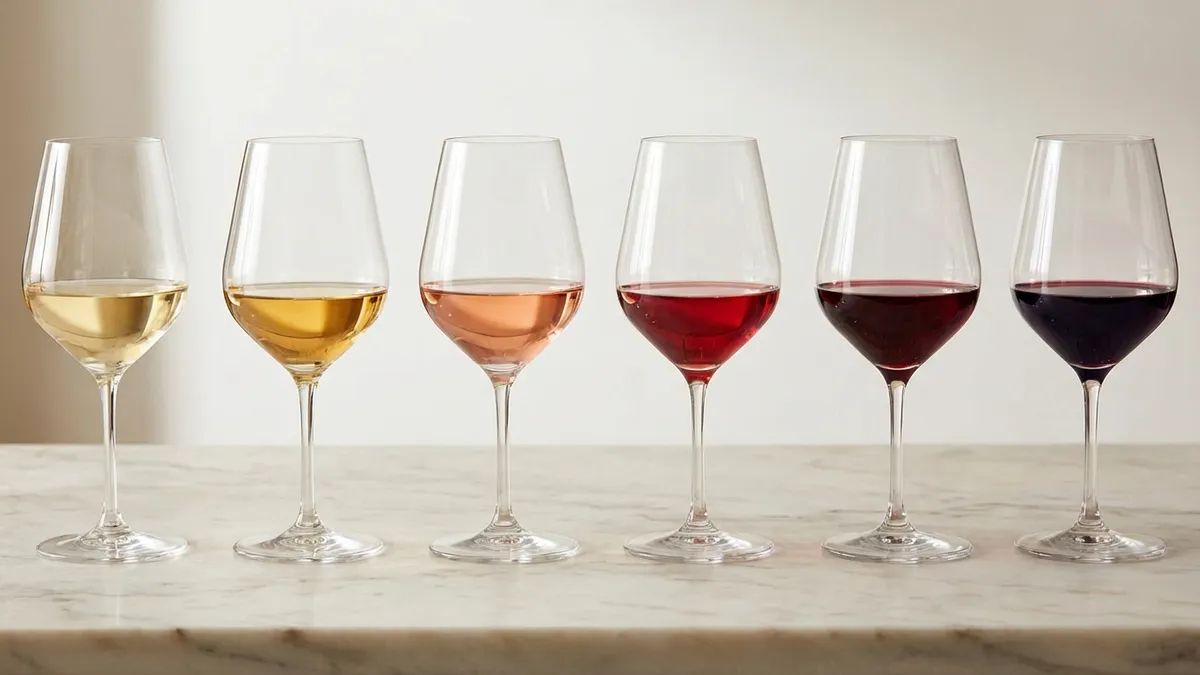
The 6 Noble Grapes Every Wine Lover Should Know
Meet the six grape varieties that form the foundation of the wine world. Learn their flavor profiles, key regions, and food pairings.
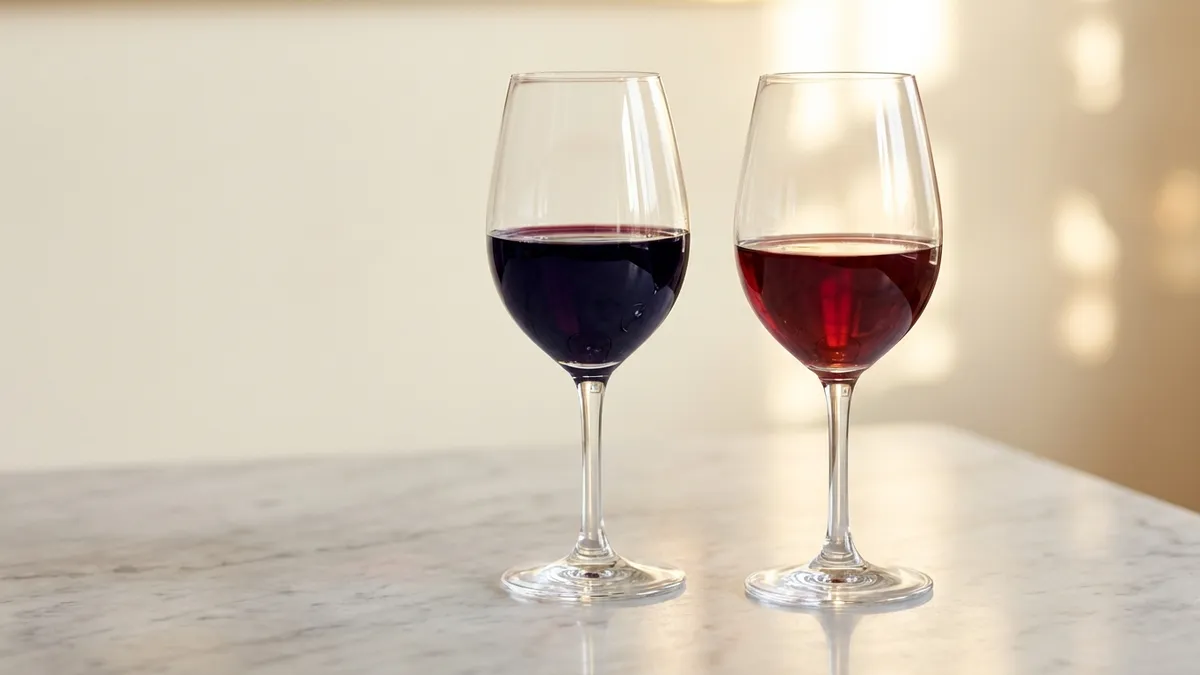
Cabernet Sauvignon vs Merlot: What Is the Difference?
Cabernet Sauvignon vs Merlot is the most common wine comparison in the world. Here is how they actually differ in flavor, structure, food pairing, and aging, with a side-by-side comparison you can try at home.
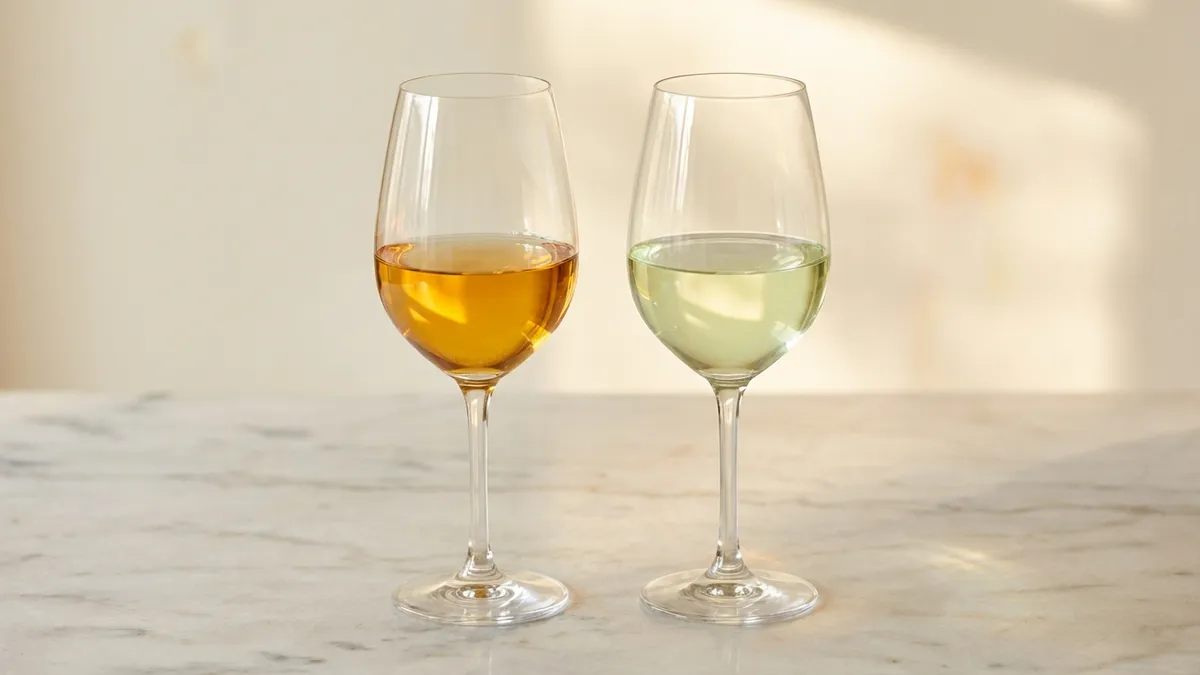
Chardonnay vs Sauvignon Blanc: How to Choose
Chardonnay vs Sauvignon Blanc is the white wine version of Cab vs Merlot. Here is how they actually differ in flavor, body, oak, food pairing, and style — and how to pick the right one for any occasion.