How to Describe Wine: Tasting Notes Made Simple
Sommy Team
Founder & Wine Educator
April 9, 2026
9 min read
TL;DR
Learning how to describe wine is not about memorizing fancy words. It is about using a simple four-part framework — look, smell, taste, finish — and forcing yourself to name one specific thing at each step. A good tasting note is short, structured, and honest. Five sentences is enough.
Why Wine Descriptions Feel So Impossible
Learning how to describe wine is one of the first experiences that makes beginners feel like wine is a world built to exclude them. Someone at the table mentions "notes of cassis and graphite with a silky mid-palate," and you take a sip and all you can come up with is "it tastes like wine." The words do not come. The wine is in your glass. The description is in someone else's head. It feels like a vocabulary gap that will take years to close.
The good news is that the gap is much smaller than it looks. Sommeliers are not born with a 500-word tasting vocabulary. They use a simple, four-part framework and a short list of go-to terms that covers almost everything they ever need to say. Once you learn the framework and the starter vocabulary, you can write a real tasting note on your very next glass. It will not read like a wine magazine review, but it does not need to. It just needs to help you notice, remember, and compare.
This guide walks through the full framework, the exact vocabulary to start with, examples of good and bad tasting notes, and a simple drill you can run on any bottle at home. By the end, you will be able to describe any wine you drink in five honest sentences, without faking a single word.
How to Describe Wine: The Framework Sommeliers Actually Use
Every professional tasting note in the world — WSET, Court of Master Sommeliers, SAT, every wine magazine — follows the same basic structure. It is the four-part sequence you probably already know from the classic advice "look, swirl, sniff, sip." Written as a note, it becomes:
- Appearance. What you see in the glass.
- Nose. What you smell when you sniff.
- Palate. What you taste and feel when the wine is in your mouth.
- Finish. What lingers after you swallow.
That is the whole format. If your tasting note has one sentence for each of those four parts, it is already structured like a professional note. The only thing that changes between a beginner's note and a Master Sommelier's note is the specificity of the words inside each section. The framework is identical.
For the underlying technique that feeds each section of a tasting note, see our guides to how to taste wine and how to smell wine. Good notes come from good technique — the framework is just the container.
Step 1: Appearance
Appearance is the easiest part to describe because it is the most literal. Hold the glass against a white background — a napkin or the tablecloth works — and ask three questions:
- What color is it? Pale lemon, golden straw, salmon pink, ruby, garnet, inky purple, brick, tawny brown.
- How deep is the color? Pale, medium, or deep. A pale pinot and an inky Malbec sit at opposite ends of the same scale.
- How does the rim look? Tight and bright on a young wine, orange-tinged and hazy on an aged one.
A simple appearance note sounds like this: "Medium ruby with a youthful purple rim and bright clarity." One sentence. Three specific observations. That is all you need.
Step 2: Nose
The nose is where most of the information lives. About 80 percent of what you call "flavor" actually comes from smell, so a strong nose note will do most of the heavy lifting in your entire tasting description.
Start with aroma families, then narrow down. The three-tier approach from the wine aroma wheel works brilliantly for beginners:
- Family — Is it mostly fruit, floral, earthy, spicy, or herbal?
- Subfamily — Within fruit, is it red fruit, black fruit, citrus, tree fruit, tropical?
- Specific — Within red fruit, is it strawberry, cherry, raspberry, cranberry?
You do not have to land the specific word every time. A nose note that reads "Red fruit and soft vanilla, with a hint of black pepper" is already a strong note. Three named aromas, grouped into loose categories, is the sweet spot for beginners.
Step 3: Palate
The palate note has two jobs: describe the structure of the wine and describe the flavors on your tongue. Structure lives in four components that every wine has in different amounts:
- Sweetness — bone dry, dry, off-dry, medium sweet, sweet
- Acidity — low, medium, high (a high-acid wine makes your mouth water)
- Tannin (reds only) — low, medium, high (tannin is the drying, gripping sensation)
- Body — light, medium, full (the weight of the wine in your mouth)
For a deeper look at structure, see our guide to understanding tannins, acidity, and body. For sweetness specifically, read what does dry wine mean.
Once you have structure, describe one or two palate flavors — the notes you taste when the wine is in your mouth. These often overlap with your nose notes, which is normal. A palate note sounds like this: "Dry, high acid, medium-plus tannin, medium body. Red cherry and graphite on the palate."
Step 4: Finish
The finish is the single most overlooked part of a beginner tasting note, and it is also the part that tells you the most about wine quality. After you swallow, start a silent count in your head. How long do the flavors stay with you? A short finish fades within three to five seconds. A medium finish holds for six to twelve. A long finish extends past fifteen seconds — and a really long finish can go on for thirty or more.
Name one specific thing that lingers. Is it the fruit? The spice? A drying sensation from tannin? A warm sweetness? A bitter edge? Whatever it is, call it out. A finish note sounds like: "Medium finish with lingering cherry and a faint warmth from alcohol."
The 30-Word Starter Vocabulary
You do not need 500 terms to describe wine. A core vocabulary of around 30 words covers almost everything a beginner will encounter in a year of drinking. Here is the list, organized by section.
Fruit Words (10-15)
Red fruit: cherry, strawberry, raspberry, cranberry, plum Black fruit: blackberry, black cherry, blueberry, cassis (blackcurrant) Citrus: lemon, lime, grapefruit, orange peel Tree fruit: green apple, pear, peach, apricot Tropical: pineapple, mango, passionfruit
Floral and Herbal (5)
Rose, violet, elderflower, mint, grass
Spice and Oak (5)
Black pepper, cinnamon, clove, vanilla, toast
Earth and Mineral (5)
Wet stone, flint, chalk, forest floor, leather
Structural Words (10)
Dry, crisp, bright, round, silky, juicy, grippy, warm, fresh, lean
That is roughly 40 words total. Most experienced tasters cycle through maybe 50 to 70 in daily practice. A beginner with the list above can describe almost any wine they pour.
Pick three words per tasting note and commit to them. Not twelve words. Three. The discipline of choosing sharpens your senses faster than any book.
Writing Your First Tasting Note
Let's walk through a full note on a hypothetical young Cabernet Sauvignon, using the framework and the starter vocabulary.
Appearance. "Deep ruby with a purple rim."
Nose. "Blackberry and cassis with a hint of vanilla and cedar."
Palate. "Dry, medium-plus acid, medium-plus tannin, full body. Black fruit and soft spice on the palate."
Finish. "Long finish with lingering warm vanilla and drying tannin."
Four sentences. Sixteen specific words. That is a real, usable tasting note that you could hand to any sommelier in the world and they would immediately understand what kind of wine you are describing. It does not read like a wine magazine, and it does not need to. It tells the truth about what is in the glass.
A Bad Note vs a Good Note
Here is the difference in action. Take the same wine and write two notes:
- Bad: "It's really good. Kind of dark. Tastes like wine. Has a nice finish."
- Good: "Deep ruby color. Nose of blackberry and vanilla. Dry, full-bodied, high tannin. Long finish with lingering spice."
Both notes are the same length. The difference is specificity. The good note gives you 10 pieces of information. The bad note gives you zero. Same glass, same drinker — different level of attention.
The One-Glass Drill That Builds Real Skill
Practice is everything. Here is a simple drill you can run on any bottle tonight:
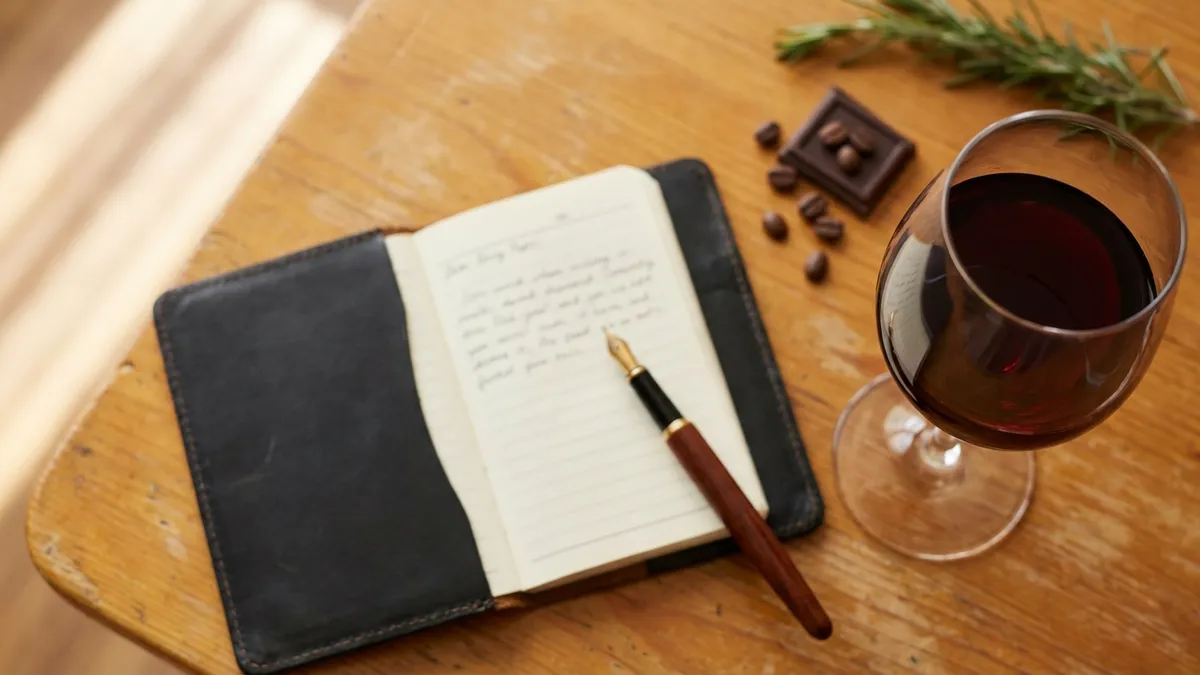
- Pour a glass. Write the wine's name, producer, vintage, and region at the top of a piece of paper.
- Before you taste, set a 2-minute timer.
- Write one sentence for each of the four sections — appearance, nose, palate, finish. Do not overthink it. Use your starter vocabulary. First word that comes to mind, write it down.
- Read your four sentences back out loud.
- Take another sip and see if anything new shows up.
If you do this for ten glasses in a row — spread over a week or a month — your vocabulary will visibly improve. Words you have never used before will start appearing. You will pick up faint aromas you used to miss entirely. That is what structured practice does to a beginner nose and palate.
The Sommy app runs exactly this kind of guided tasting loop, but with real-time feedback on whether your descriptors match what professional tasters typically find in the same style. It is the fastest way to go from a 10-word vocabulary to a 50-word one.
Common Mistakes Beginners Make
A few habits quietly kill the quality of beginner tasting notes. Fix these and your notes jump a level overnight:
- Trying to sound like a wine magazine. Wine writers have spent years building their voices. Borrowing their words makes your notes sound hollow. Use your own.
- Naming too many things. A note with twelve aromas is worse than a note with three. Focus forces you to commit.
- Skipping the finish. The finish is where the wine tells you whether it is actually good. Always include at least one finish sentence.
- Not writing anything down. Verbal notes disappear within minutes. Written notes build a library.
- Using filler words. "Quite nice," "very interesting," "pretty drinkable" — these phrases say nothing. Replace them with specific observations.
- Judging before describing. Do not write "this is a good wine." Describe the wine first. Judgment comes last, after the facts.
Build a Real Voice, One Glass at a Time
Describing wine is not a talent. It is a habit. People who taste wine for a living have the same basic equipment you do — a nose with 400 olfactory receptors and a tongue with five taste sensors. What they have that you do not yet is a practiced vocabulary and a structured way to use it. Both of those are learnable skills, and both improve dramatically within a few weeks of deliberate practice.
The Sommy app is built to make that practice easy and structured. Guided tasting courses give you the framework, real-time feedback helps you calibrate your descriptors against what professionals actually find in the same wines, and the built-in tasting journal lets you watch your vocabulary grow over time. Visit sommy.wine to start building a real wine voice, one honest tasting note at a time.
Frequently Asked Questions
How do you describe wine without sounding pretentious?
Use plain language. Say 'tastes like cherry and pepper' instead of 'shows a core of Morello fruit layered with cracked Sarawak spice.' Sommeliers only use complex words when they need precision. Beginners get more mileage from specific, honest descriptions than from fancy ones. The goal is clarity, not performance.
What are the four parts of a wine tasting note?
Appearance, nose, palate, and finish. Appearance is what you see — color, clarity, depth. Nose is what you smell — fruit, flowers, spice, earth. Palate is what you taste and feel — structure, flavor, texture. Finish is what lingers after you swallow. Every professional tasting note follows this sequence.
What is the wine aroma wheel?
The wine aroma wheel is a visual vocabulary tool invented by Dr. Ann Noble at UC Davis in 1984. It organizes flavor descriptors into three tiers, moving from general (fruity, earthy, spicy) to specific (black cherry, forest floor, white pepper). Beginners use it to find the exact word for what they are smelling.
How many words do I actually need to describe wine?
About 30 specific words will cover 90 percent of what you encounter. That includes 10 to 15 fruit descriptors, 3 to 5 floral notes, 3 to 5 spice words, 3 to 5 earth and mineral terms, and a handful of structural words like dry, crisp, round, or silky. You do not need 500 terms.
What does 'dry' actually mean when describing wine?
Dry means a wine with very little residual sugar, not a wine that feels astringent or tannic. This is the most commonly confused term in wine vocabulary. For the full explanation, see our guide to what does dry wine mean. Using the word correctly in your own notes is a quick sommelier signal.
Should I write my wine notes down?
Yes. Writing tasting notes is the single fastest way to build a wine vocabulary. The act of choosing a word and committing to it on paper forces your brain to engage more deeply than just drinking. Even a three-word note per bottle compounds into real tasting skill within a month.
How do I describe the 'finish' of a wine?
The finish is what remains after you swallow. Count how long the flavor lingers — short finishes fade in a few seconds, long finishes hold for 15 seconds or more. Describe what specific flavors stay (bitter almond, warm vanilla, dried cherry) and any structural sensations like warmth, dryness, or grip.
What is the difference between flavor and aroma in a tasting note?
Most of what you call flavor is actually aroma reaching your nose through the back of your throat — retronasal olfaction. That is why the nose and the palate notes often overlap in a tasting note. The difference is that the nose describes what rises from the glass; the palate describes what happens when the wine is actually in your mouth.
Get the free Wine 101 course
Start learning to taste wine like a pro with structured lessons and AI-guided practice.
Sommy Team
LinkedInFounder & Wine Educator
The Sommy Team is building the world's most approachable wine education app, helping beginners develop real tasting skills through structured courses and AI-guided practice.
Keep Reading
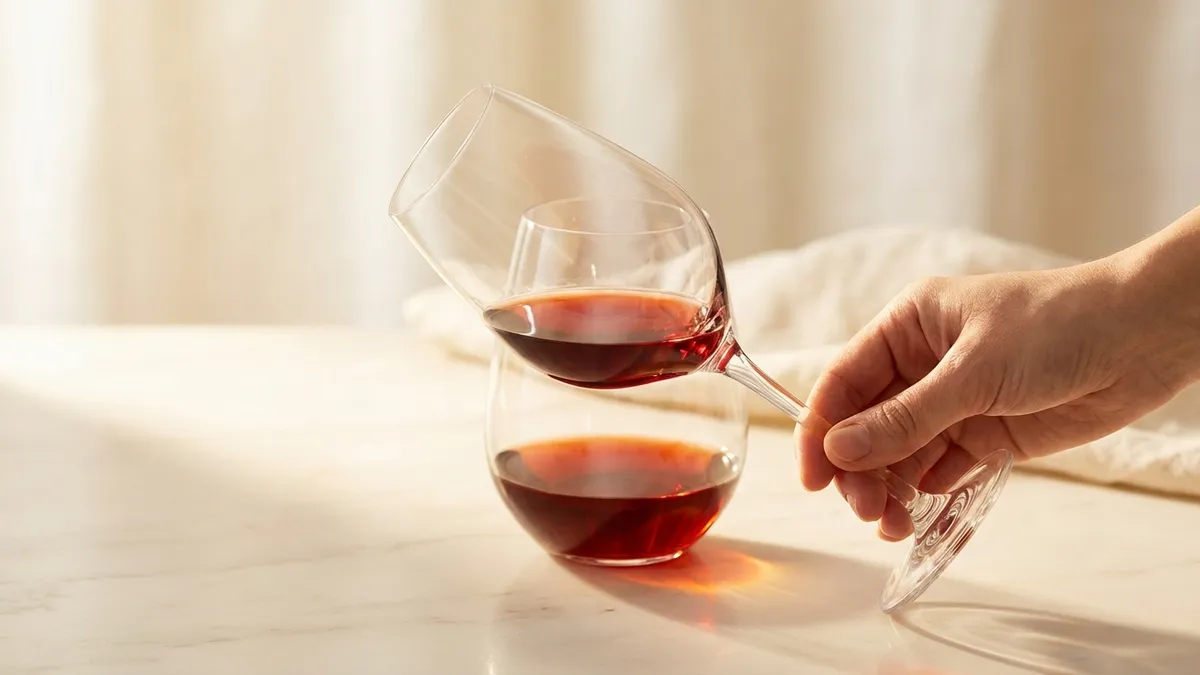
How to Taste Wine: The Complete Beginner's Guide
Learn the four-step method that sommeliers use to evaluate every glass. Master the look, swirl, sniff, and sip technique with this comprehensive guide.
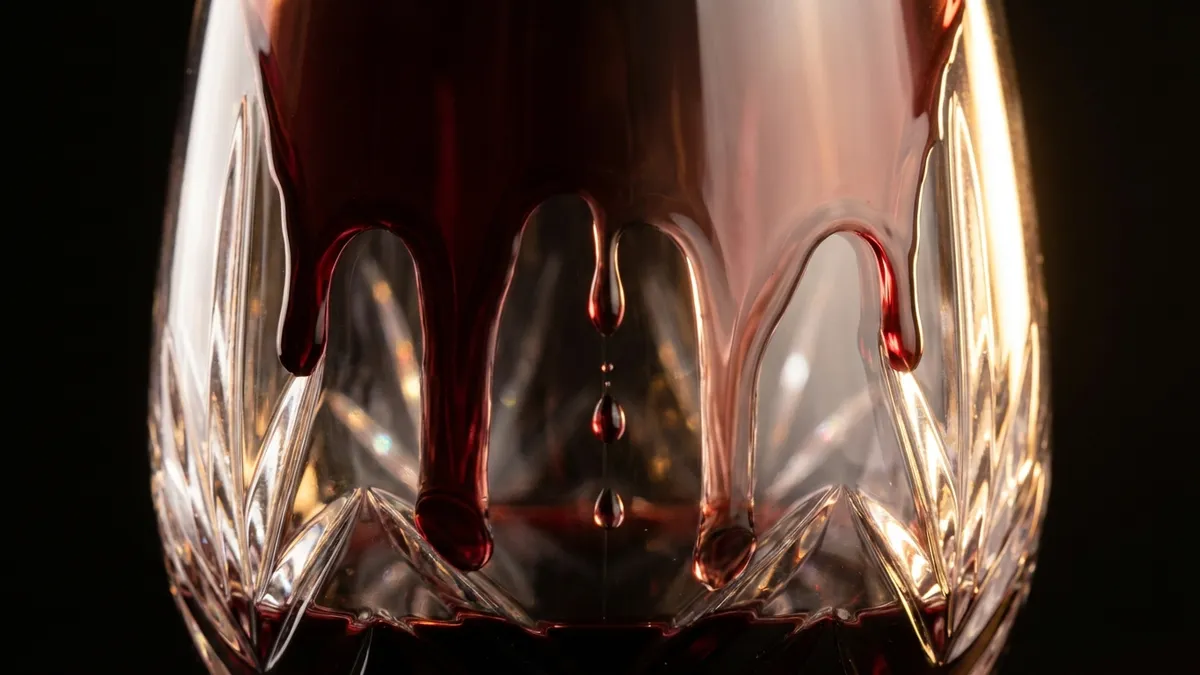
Understanding Tannins, Acidity, and Body in Wine
Learn what tannins, acidity, and body actually are, how to identify them on your palate, and why they matter for food pairing and aging.
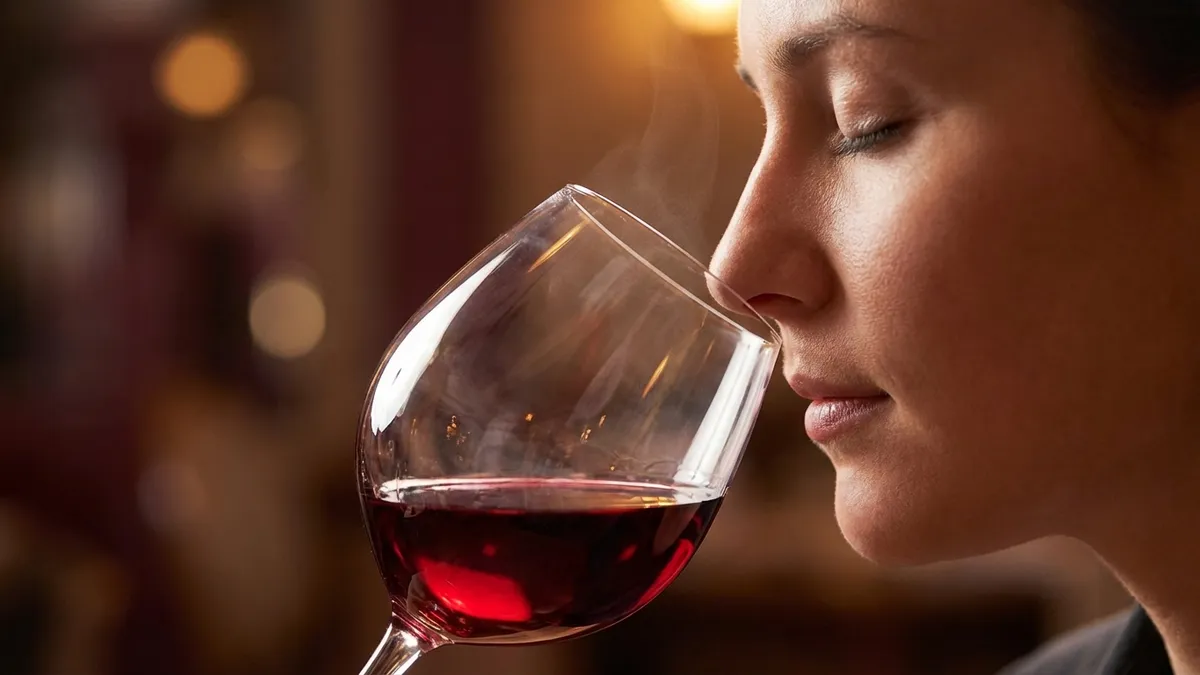
How to Smell Wine: A Beginner's Guide to Wine Aromas
Most wine flavor comes from your nose, not your tongue. Here is how to smell wine properly, what to look for, and how to build an aroma vocabulary from scratch.