Syrah vs Shiraz: What Is the Difference?
Sommy Team
Founder & Wine Educator
April 11, 2026
9 min read
TL;DR
Syrah and Shiraz are the same grape variety with two names. Syrah refers to the cooler-climate, peppery, structured style rooted in France's Northern Rhone Valley. Shiraz refers to the warmer-climate, fruit-forward, fuller-bodied style pioneered in Australia's Barossa Valley. The label tells you which style to expect in the glass.
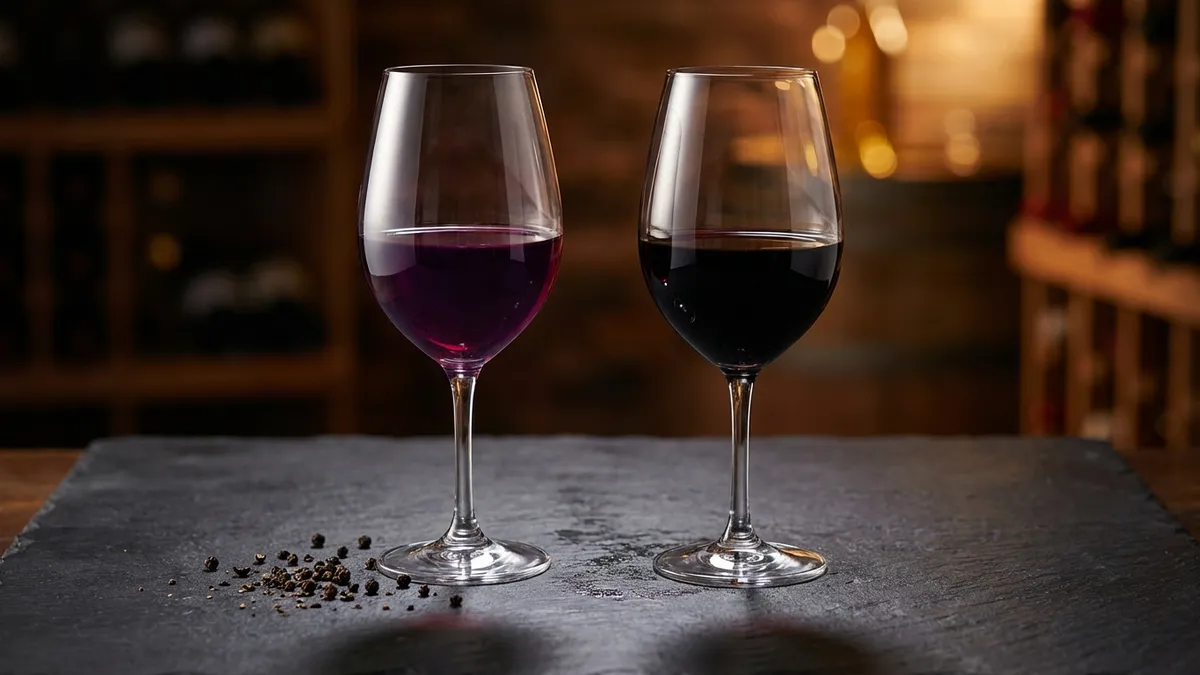
Syrah vs Shiraz — Same Grape, Two Personalities
Walk into a wine shop and you will find bottles labeled Syrah next to bottles labeled Shiraz. They look different, the descriptions sound different, and they often taste different. But here is the twist — syrah vs shiraz is not a battle between two grapes. It is one grape variety living two lives.
Syrah and Shiraz are genetically identical. The same vine, the same berry, the same DNA. What changes is everything around the grape — climate, soil, winemaking choices, and centuries of regional tradition. The result is two genuinely distinct wine experiences that happen to share a parent.
Understanding the difference is one of the most useful shortcuts in wine. The name on the label tells you almost exactly what to expect in the glass.
The Origin Story — From the Rhone to the Barossa
French Roots
Syrah's homeland is the Northern Rhone Valley in southeastern France, where it has been cultivated for centuries. DNA research in 1999 revealed the grape's parents: Dureza (a dark-skinned variety) and Mondeuse Blanche (a white grape), both native to the Rhone-Alpes region. This put to rest romantic myths about the grape originating in the ancient Persian city of Shiraz or being brought from Syracuse by Roman legions.
In the Northern Rhone, Syrah is the sole red grape permitted in prestigious appellations like Cote-Rotie, Hermitage, Cornas, and Saint-Joseph. These are some of France's most revered red wines — dark, peppery, structured, and built for long aging.
The Australian Transformation
Syrah arrived in Australia in 1832, brought by James Busby, the Scottish-born viticulturist often called the father of Australian wine. In the warm, sun-drenched vineyards of South Australia — particularly the Barossa Valley and McLaren Vale — the grape transformed. Higher temperatures produced riper, sweeter fruit. American oak barrels added vanilla and coconut. The resulting wine was bolder, fruitier, and more immediately approachable than anything coming out of the Rhone.
Australians called it Shiraz, and the name stuck. Over time, the label choice became a global shorthand: Syrah signals a cooler-climate, more restrained style; Shiraz signals a warmer-climate, more exuberant one.
How They Taste — A Side-by-Side Breakdown
The flavor differences between Syrah and Shiraz are significant enough that tasting them side by side feels like tasting two different grapes entirely.
Cool-Climate Syrah
- Aromas — black pepper (the hallmark), black olive, smoked meat, violet, lavender, wet stone
- Palate — medium to full body, firm tannins, bright acidity, savory and structured
- Finish — long, peppery, mineral
- Alcohol — typically 13–14%
- Oak — French oak or no oak, adding subtle spice rather than sweetness
The black pepper note deserves special attention. It comes from a compound called rotundone, which is found in higher concentrations in cooler-climate Syrah. If you have ever tasted a Northern Rhone red and thought "this literally smells like a pepper grinder," that is rotundone at work.
Warm-Climate Shiraz
- Aromas — blackberry jam, dark chocolate, espresso, vanilla, cinnamon, mocha
- Palate — full body, softer tannins, lower acidity, rich and generous
- Finish — long, sweet-spiced, chocolatey
- Alcohol — typically 14.5–15.5%
- Oak — American oak is common, adding coconut, caramel, and sweet vanilla
The warm-climate style trades Syrah's peppery restraint for sheer generosity. These are wines that fill your mouth, coat your palate, and deliver waves of ripe fruit and sweet spice. They are not subtle — they are not trying to be.
Comparison Table
| Feature | Syrah (cool climate) | Shiraz (warm climate) | |---|---|---| | Body | Medium-full | Full | | Tannins | Firm, structured | Soft, ripe | | Acidity | Medium-high | Medium-low | | Alcohol | 13–14% | 14.5–15.5% | | Key flavors | Black pepper, olive, smoke | Blackberry jam, chocolate, vanilla | | Oak style | French (spice) | American (coconut, caramel) | | Color | Deep purple-garnet | Inky black-purple | | Aging | 10–30+ years (top crus) | 5–15 years |
Key Syrah Regions
Northern Rhone, France
The spiritual home of Syrah. Key appellations include:
- Cote-Rotie — "The roasted slope." Steep, terraced vineyards produce elegant, perfumed Syrah with violet and bacon-fat notes. Small additions of the white grape Viognier (up to 20%) add floral lift.
- Hermitage — The most powerful Northern Rhone wines. Dense, tannic, long-lived, with flavors of blackberry, leather, and smoke. Top Hermitage can age for 30+ years.
- Cornas — Bold, rustic, all Syrah. The most muscular Northern Rhone appellation.
- Saint-Joseph — More accessible and earlier-drinking than Hermitage. Peppery, fresh, great value.
- Crozes-Hermitage — The largest Northern Rhone appellation. Wide quality range, from simple to outstanding.
Southern Rhone, France
In the Southern Rhone, Syrah plays a supporting role in blends — most famously in Chateauneuf-du-Pape and Cotes du Rhone, where it adds color, pepper, and structure alongside Grenache and Mourvedre. The vast Languedoc-Roussillon region in southern France holds the world's largest Syrah plantings — over 43,000 hectares.
Key Shiraz Regions
Barossa Valley, Australia
The global capital of Shiraz. Old vines — some over 150 years old and among the oldest Syrah/Shiraz vines in the world — produce intensely concentrated, full-bodied wines with blackberry, chocolate, and licorice flavors. The warm, dry Mediterranean climate and deep, well-drained soils are ideal for the grape.
McLaren Vale, Australia
Slightly cooler than Barossa, McLaren Vale produces Shiraz with a bit more structure and a distinctive chocolatey, savory edge. The region's proximity to the coast brings cooling sea breezes that preserve acidity.
Hunter Valley, Australia
Surprisingly, this warm, humid region produces a unique, medium-bodied Shiraz style with earthy, leathery notes and lower alcohol — a departure from the typical Australian blockbuster.
Syrah/Shiraz Around the World
The grape thrives in dozens of countries, and the name choice usually signals the intended style:
- South Africa — Called Shiraz in warmer areas like Stellenbosch, but increasingly labeled Syrah by cooler-climate producers. South Africa's Syrah/Shiraz plantings have grown significantly, producing some of the most exciting examples outside France and Australia.
- Washington State, USA — The Walla Walla Valley and Columbia Valley produce outstanding Syrah with dark fruit, smoke, and a distinctive meatiness. Most American producers use the Syrah label.
- California, USA — Both styles exist. Cooler areas like the Sonoma Coast and Santa Barbara produce elegant Syrah; warmer regions like Paso Robles lean toward the Shiraz end of the spectrum. About 7,500 acres are planted across the state.
- Chile — Growing region for Syrah, particularly in the Elqui, Limari, and San Antonio valleys. Produces a lean, peppery style.
- New Zealand — Hawke's Bay produces increasingly impressive Syrah with pepper, dark fruit, and Mediterranean herbs.
How to Pair Syrah and Shiraz with Food
The two styles pair with different types of food, which makes the Syrah/Shiraz distinction practical at the dinner table.
Syrah Pairings (Cooler Climate)
Think French, rustic, and savory:
- Lamb — roast leg, rack, or braised shanks with herbs
- Duck — confit, roasted breast, or cassoulet
- Game meats — venison, wild boar, rabbit
- Charcuterie — dry-cured sausages, pate, rillettes
- Mushrooms — grilled, sauteed, or in risotto
- Hard cheese — Comte, aged Gruyere, Ossau-Iraty
Syrah's peppery, herbal character creates a natural bridge to dishes seasoned with rosemary, thyme, and black pepper. For more pairing principles, see the wine and food pairing guide.
Shiraz Pairings (Warm Climate)
Think bold, smoky, and generous:
- Barbecue — ribs, brisket, pulled pork, smoked sausages
- Burgers — especially with aged cheddar and smoky bacon
- Spicy food — Mexican mole, Cajun dishes, barbecue rubs
- Stew — beef bourguignon, osso buco, chili
- Hard cheese — aged cheddar, smoked Gouda, Manchego
Shiraz's bold fruit and sweet spice can handle big, assertive flavors that would overwhelm a more delicate red.
What to Avoid
Both styles are full-bodied wines that will overpower delicate dishes. Skip them with light fish, raw salads, or cream-based pastas. Reach for a lighter red like Pinot Noir or a white wine instead.
Serving Syrah and Shiraz
Temperature
Serve both at 16–18°C (60–65°F). Shiraz in particular benefits from being slightly cooler within that range — the higher alcohol can become hot and unbalanced if served too warm. Fifteen minutes in the fridge brings a room-temperature bottle into the ideal zone. For more guidance, see the wine serving temperature chart.
Decanting
Both styles benefit from decanting, but for different reasons:
- Young Syrah — 30–60 minutes of air opens up the pepper and floral notes that tight tannins can mask.
- Aged Syrah — Gentle decanting separates the wine from any sediment and lets developed aromas bloom.
- Shiraz — 15–30 minutes is usually enough. The riper tannins and bolder fruit do not need as much coaxing.
Glassware
A large-bowled red wine glass works well for both. The wide opening lets the complex aromatics — whether peppery or fruit-forward — develop fully.
How Syrah/Shiraz Compares to Other Red Grapes
Understanding where Syrah sits relative to other popular reds helps you choose the right bottle:
| Feature | Syrah/Shiraz | Cabernet Sauvignon | Malbec | Pinot Noir | |---|---|---|---|---| | Body | Full | Full | Full | Light-medium | | Tannins | Medium-high | High | Medium-soft | Low-medium | | Acidity | Medium | Medium-high | Medium | High | | Key flavors | Pepper, dark fruit, smoke | Blackcurrant, cedar | Plum, violet | Cherry, earth | | Best with | BBQ, lamb, game | Steak, aged cheese | Grilled meats, spice | Duck, mushrooms |
If you enjoy the fruit-forward richness of Malbec but want something with more structure and spice, cool-climate Syrah is a natural step. If you love Cabernet Sauvignon's intensity but want softer tannins and more fruit, warm-climate Shiraz fits perfectly.
Practicing Your Syrah vs Shiraz Tasting Skills
This is one of the most rewarding comparison tastings you can do at home. Pick up a Northern Rhone Syrah (Crozes-Hermitage or Saint-Joseph offer great value) and a Barossa Valley Shiraz. Pour them side by side.
Start with color — the Shiraz will typically be darker and more opaque. Then move to the nose — look for pepper and olive in the Syrah, jam and chocolate in the Shiraz. On the palate, compare the tannin texture and body — the Syrah will feel tighter and more angular, the Shiraz rounder and fuller.
The Sommy app includes guided tasting exercises that walk you through this exact process, helping you identify and articulate the differences between styles. It is one of the fastest ways to build real tasting confidence.
To learn more about the grape varieties that form the foundation of wine knowledge, explore the noble grapes guide — Syrah sits right alongside those six foundational varieties in importance, even if it technically missed the official cut.
Frequently Asked Questions
Are Syrah and Shiraz the same grape?
Yes. Syrah and Shiraz are genetically identical — the same grape variety with two different names. Syrah is the French name, used in cooler-climate regions. Shiraz is the name adopted by Australia and used by warmer-climate producers worldwide. The difference between the wines is about style, not genetics.
Is Syrah dry or sweet?
Syrah and Shiraz are both dry red wines. The ripe fruit flavors in warm-climate Shiraz — blackberry jam, chocolate, plum — can create an impression of sweetness, but the sugar has been fully fermented. There is no meaningful residual sugar in standard Syrah or Shiraz.
Which is stronger, Syrah or Shiraz?
Shiraz tends to be higher in alcohol, typically 14.5 to 15.5 percent, compared to Syrah at 13 to 14 percent. The warmer climate in regions like the Barossa Valley produces riper grapes with more sugar, which ferments into higher alcohol. Both are full-bodied wines, but Shiraz generally feels bigger and bolder.
What does Syrah taste like?
Cool-climate Syrah tastes of blackberry, black olive, cracked black pepper, smoked meat, and sometimes violet or lavender. It has firm tannins, bright acidity, and a savory, almost meaty character. The pepper note is a hallmark — a compound called rotundone is responsible for it.
What does Shiraz taste like?
Warm-climate Shiraz tastes of blackberry jam, dark chocolate, espresso, vanilla, and sweet spice like cinnamon and clove. It has softer tannins, lower acidity, fuller body, and a richer, more generous mouthfeel. American oak aging adds an additional layer of coconut and mocha.
What food pairs best with Syrah?
French Syrah pairs well with lamb, duck, game meats, charcuterie, and dishes with herbes de Provence. Its peppery, savory character complements grilled and roasted meats, mushroom dishes, and aged hard cheeses like Comte or aged Gruyere.
What food pairs best with Shiraz?
Australian Shiraz pairs well with barbecued ribs, smoked brisket, burgers, sausages, and hearty stews. Its bold fruit and sweet spice also work with spicy food, Mexican cuisine, and hard aged cheeses. Think big food for a big wine.
Is Syrah one of the noble grapes?
Syrah is not traditionally listed among the six noble grapes (Cabernet Sauvignon, Merlot, Pinot Noir, Chardonnay, Sauvignon Blanc, Riesling), but many wine educators consider it a strong candidate for inclusion. It is the world's sixth most planted grape variety and produces some of the most acclaimed wines on Earth.
Get the free Wine 101 course
Start learning to taste wine like a pro with structured lessons and AI-guided practice.
Sommy Team
LinkedInFounder & Wine Educator
The Sommy Team is building the world's most approachable wine education app, helping beginners develop real tasting skills through structured courses and AI-guided practice.
Keep Reading
The 6 Noble Grapes Every Wine Lover Should Know
Meet the six grape varieties that form the foundation of the wine world. Learn their flavor profiles, key regions, and food pairings.
Cabernet Sauvignon vs Merlot: What Is the Difference?
Cabernet Sauvignon vs Merlot is the most common wine comparison in the world. Here is how they actually differ in flavor, structure, food pairing, and aging, with a side-by-side comparison you can try at home.
Chardonnay vs Sauvignon Blanc: How to Choose
Chardonnay vs Sauvignon Blanc is the white wine version of Cab vs Merlot. Here is how they actually differ in flavor, body, oak, food pairing, and style — and how to pick the right one for any occasion.