Malbec Wine Guide: Argentina's Flagship Grape Explained
Sommy Team
Founder & Wine Educator
April 11, 2026
10 min read
TL;DR
Malbec is a full-bodied red grape from France that found its true home in Argentina, where it now accounts for 85% of world plantings. It delivers inky purple color, plush tannins, dark plum and violet aromas — especially from high-altitude Mendoza vineyards. Pairs brilliantly with grilled meats and spicy food.
What Is Malbec Wine?
Malbec is a full-bodied red wine grape known for its deep purple color, plush tannins, and dark fruit flavors. Originally from southwestern France, Malbec found its true calling thousands of miles away in Argentina, where it now accounts for roughly 85% of the world's plantings.
If you have ever picked up a bottle of Argentine red and noticed rich plum and blackberry aromas pouring out of the glass, chances are you were drinking Malbec. The grape produces wines that are approachable enough for a weeknight dinner yet complex enough to hold their own at a tasting. That combination of friendliness and depth is exactly what has made Malbec one of the most popular red wines on the planet.
The History of Malbec — From Cahors to Mendoza
Malbec's story begins in Cahors, a small appellation in France's Lot Valley. For centuries, Cahors produced deeply pigmented, tannic wines that locals called "the black wine of Cahors." The grape was also widely planted in Bordeaux, where it served as a blending component alongside Cabernet Sauvignon and Merlot.
Then came the phylloxera epidemic of the late 1800s — a vine-killing louse that devastated European vineyards. French growers replanted with hardier varieties, and Malbec's footprint in its homeland shrank dramatically. Today, France maintains only about 6,000 hectares of Malbec, roughly half of them in Cahors.
Meanwhile, an Argentine agronomist named Michel Pouget had already brought Malbec cuttings to Mendoza in 1853. The grape thrived in the high-altitude, sun-drenched vineyards along the Andes — so much so that Argentina now cultivates over 44,000 hectares of Malbec. April 17th is even celebrated as World Malbec Day, marking the date Argentina's president formally established the country's grape-growing initiative in 1853.
What was once a supporting actor in Bordeaux blends became the undisputed star of an entire country's wine identity.
Malbec Tasting Notes and Flavor Profile
Malbec wines share a few core characteristics, though the specifics shift depending on where the grapes are grown and how the wine is made.
What Malbec Tastes Like
At its heart, Malbec delivers:
- Dark fruit — black plum, blackberry, black cherry, and sometimes blueberry
- Soft tannins — a plush, velvety mouthfeel rather than the firm grip of Cabernet Sauvignon
- Warm spice — black pepper, clove, and occasionally cinnamon
- Floral notes — violets are a hallmark aroma, especially in higher-altitude Argentine Malbecs
- Savory undertones — leather, tobacco, cocoa, and smoked meat
When aged in oak, the wine picks up additional layers of vanilla, mocha, and toasted cedar. Unoaked versions lean more purely fruit-forward.
How Malbec Looks in the Glass
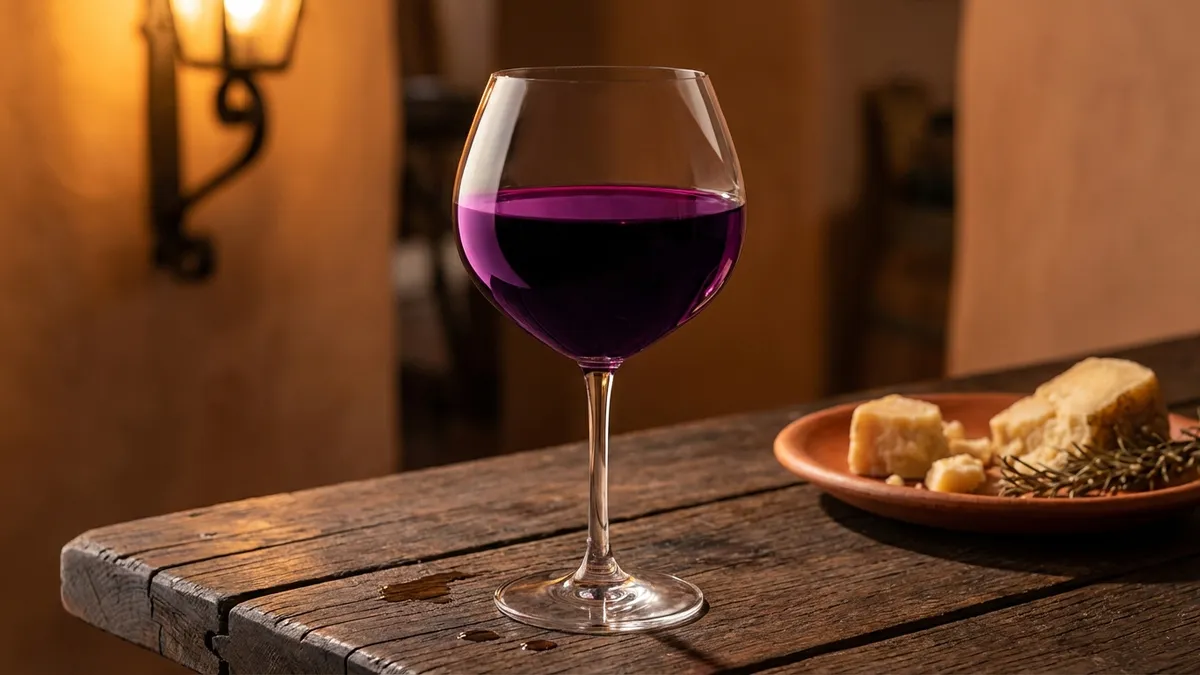
Pour a glass of Malbec and hold it up to light. You will notice one of the deepest, most saturated colors of any red wine — an inky purple-magenta that can be nearly opaque at the center. That intense pigmentation comes from the grape's unusually thick skin, which also contributes to the wine's rich mouthfeel and moderate tannin structure.
The color can tell you something about age, too. Younger Malbecs show vibrant purple rims, while older bottles shift toward garnet and brick-red edges — a useful visual cue if you are ever practicing how to read wine color.
Argentine Malbec — The World's Benchmark
Argentina produces roughly two-thirds of the world's Malbec, and the vast majority comes from a single province: Mendoza. Nestled at the foot of the Andes, Mendoza's vineyards sit at elevations ranging from 800 to over 1,500 meters above sea level — some of the highest commercial vineyards on earth.
Why Mendoza Works So Well for Malbec
Several factors make Mendoza an ideal home for this grape:
- Altitude — Higher elevation means more intense UV light, which thickens grape skins and concentrates color, flavor, and polyphenols. The result is deeply pigmented wines with ripe, expressive fruit.
- Diurnal temperature variation — Days are warm and sunny, but nights in the Andean foothills are cool. That swing allows grapes to develop sugar and flavor during the day while retaining bright acidity at night.
- Dry climate — Mendoza receives only about 225 mm of rainfall annually, making it essentially a desert. Low humidity means less disease pressure, and irrigation is carefully managed using snowmelt from the Andes via a centuries-old canal system.
- Alluvial soils — Rocky, well-drained soils force vine roots deep, producing lower yields with more concentrated fruit.
Key Mendoza Sub-Regions
Not all Mendoza Malbec tastes the same. The province's sub-regions each put their own stamp on the grape:
- Lujan de Cuyo — Often called the cradle of Argentine Malbec, this area sits at 900–1,100 meters elevation. Expect structured wines with black fruit, spice, and good aging potential.
- Uco Valley — The highest-altitude area, with vineyards reaching above 1,500 meters. Wines from here tend to be more elegant and mineral-driven, with bright acidity and floral aromatics.
- Maipu — Slightly warmer and lower in altitude, producing riper, more immediately approachable styles with generous fruit.
- East Mendoza — The warmest zone, responsible for much of Argentina's everyday, value-oriented Malbec.
Beyond Mendoza
While Mendoza dominates, other Argentine regions produce noteworthy Malbec:
- Salta — Home to the Cafayate Valley, where vineyards climb above 1,700 meters. The extreme altitude produces Malbecs with intense color, high acidity, and distinctive mineral character.
- Patagonia — Cooler climate wines with brighter acidity and more restrained fruit. The region is still emerging but increasingly respected.
- San Juan — Warmer than Mendoza, producing fruit-forward, early-drinking styles.
French Malbec — The Original Style
While Argentina made Malbec famous globally, the grape's roots in France — particularly in Cahors — offer a distinctly different expression.
Cahors: The Black Wine
Cahors wines must contain at least 70% Malbec (locally called Cot or Auxerrois), often blended with small amounts of Merlot and Tannat. Compared to their Argentine counterparts, Cahors Malbecs tend to be:
- More tannic and structured
- Less fruit-forward, with flavors leaning toward dark cherry, dried plum, and earth
- Higher in acidity
- More savory, with notes of leather, iron, and dried herbs
- Built for longer aging
The AOP Cahors region now covers roughly 4,300 hectares. After decades of decline, a new generation of winemakers is revitalizing the area, producing wines that balance Cahors' traditional rusticity with modern polish.
Bordeaux
Malbec still plays a minor role in Bordeaux blends, particularly on the Right Bank, though plantings are small compared to Merlot and Cabernet Franc. In Bordeaux, Malbec adds color and mid-palate richness to the blend.
Malbec Around the World
The grape has also found footholds beyond Argentina and France:
- Chile — Produces a leaner, brighter style, often from the Colchagua and Maule Valleys
- United States — Small plantings in California and Washington State, often in Bordeaux-style blends
- Australia — Emerging plantings, particularly in warmer regions like the Barossa Valley and McLaren Vale
- Italy — Minor plantings, primarily in the northeast
None of these regions rival Argentina's dominance, but they demonstrate Malbec's adaptability and growing global appeal.
How to Pair Malbec Wine with Food
Malbec is one of the most food-friendly red wines you can pour. Its combination of ripe fruit, soft tannins, and moderate acidity makes it a natural match for a wide range of dishes.
Classic Pairings
- Grilled steak — The quintessential match. Malbec's smoky, peppery notes echo the char on a well-grilled ribeye or flank steak. There is a reason Argentine asado (barbecue) and Malbec are inseparable.
- Lamb — Roasted or grilled lamb pairs beautifully with Malbec's dark fruit and herbal undertones.
- Hard and semi-hard cheeses — Aged Gouda, Manchego, and sharp cheddar all complement Malbec's richness.
- Empanadas — Beef empanadas with chimichurri are a classic Argentine combination.
Adventurous Pairings
- Mushroom dishes — Roasted portobello, mushroom risotto, or a wild mushroom tart. The earthy, savory flavors mirror Malbec's secondary notes.
- Spicy food — Malbec's fruit-forward character and soft tannins help tame the heat in Mexican mole, Indian curries, or Sichuan dishes.
- Dark chocolate — The cocoa and mocha notes in oak-aged Malbec create a surprisingly harmonious pairing with 70%+ dark chocolate.
- Eggplant and root vegetables — Roasted eggplant, beets, or sweet potatoes match well with Malbec's rich texture.
What to Avoid
Malbec's full body and dark fruit can overwhelm delicate dishes. Skip it with light white fish, raw salads, or subtle cream-based sauces — reach for a lighter red like Pinot Noir or a white wine instead.
For more pairing principles, check out the wine and food pairing guide.
Serving Malbec — Temperature, Glass, and Decanting
Getting the most out of a bottle of Malbec comes down to a few practical details.
Temperature
Serve Malbec at 16–18°C (60–65°F) — slightly below room temperature. Too warm and the alcohol becomes prominent; too cold and the fruit flavors shut down. If your bottle has been sitting at room temperature, 15 minutes in the fridge will bring it into the ideal range. For a deeper look at serving temperatures by wine type, see the wine serving temperature chart.
Glassware
A standard red wine glass with a generous bowl works well. The wider opening allows Malbec's signature violet and dark fruit aromas to open up.
Decanting
Young, entry-level Malbecs generally do not need decanting — they are ready to drink out of the bottle. More structured bottles, especially aged Cahors or premium Argentine Malbecs, benefit from 30–60 minutes of decanting to soften tannins and let the aromatics develop.
How Malbec Compares to Other Red Grapes
Understanding where Malbec sits relative to other popular reds can help you decide when to reach for it.
| Feature | Malbec | Cabernet Sauvignon | Merlot | Syrah/Shiraz | |---|---|---|---|---| | Body | Full | Full | Medium-full | Full | | Tannins | Medium-soft | High | Low-medium | Medium-high | | Acidity | Medium | Medium-high | Low-medium | Medium | | Key flavors | Plum, violet, cocoa | Blackcurrant, cedar | Cherry, plum | Blackberry, pepper | | Best with | Grilled meats, spice | Steak, aged cheese | Pasta, poultry | BBQ, game |
If you enjoy Malbec's fruit-forward style but want something with more structure, try Cabernet Sauvignon. If you want something softer and lighter, Merlot is the natural next step.
Malbec Wine — Value at Every Price Point
One of Malbec's greatest strengths is its value proposition. Argentina's lower production costs compared to classic European regions mean that well-made Malbec is available at prices that would buy a far simpler wine from Bordeaux or Napa.
- Under $15 — Expect juicy, fruit-forward wines that are perfect for casual drinking. East Mendoza and San Juan produce excellent bottles in this range.
- $15–$30 — This is Malbec's sweet spot. Wines from Lujan de Cuyo and parts of the Uco Valley deliver real complexity — layered fruit, integrated oak, and a sense of place.
- $30–$75 — Single-vineyard and high-altitude selections that show remarkable depth, structure, and aging potential.
- $75+ — Top-tier Malbecs that compete with the world's finest reds. These are often single-parcel wines from specific altitude blocks, aged in French oak, and built for the cellar.
Practicing Your Malbec Tasting Skills
Malbec is an excellent grape for building your wine tasting vocabulary. Its bold flavors and aromas are relatively easy to identify, making it a great starting point for beginners working on how to smell wine and how to describe wine.
Try tasting a Malbec alongside a Cabernet Sauvignon — the side-by-side comparison makes it much easier to identify differences in tannin texture, fruit character, and body. The Sommy app includes guided tasting exercises that walk you through exactly this kind of comparative analysis, helping you build confidence one sip at a time.
If you are interested in exploring more grape varieties, the noble grapes guide covers the six foundational grapes every wine lover should know — and understanding how Malbec fits into that family tree deepens your appreciation for what makes this grape special.
Frequently Asked Questions
Is Malbec a dry wine?
Yes. The vast majority of Malbec wines are dry, meaning they contain very little residual sugar. The ripe fruit flavors — plum, blackberry, cherry — can create an impression of sweetness, but the sugar has been fully fermented into alcohol.
Is Malbec sweet or bitter?
Malbec tastes fruity rather than sweet, and its tannins are soft enough that most people would not describe it as bitter. Compared to Cabernet Sauvignon, Malbec has a rounder, gentler mouthfeel.
What is the difference between Argentine and French Malbec?
Argentine Malbec tends to be fruit-forward, plush, and approachable, with notes of ripe plum and violet. French Malbec from Cahors is more tannic, earthy, and structured, with flavors of dark cherry, leather, and dried herbs. The difference comes from climate, altitude, soil, and winemaking tradition.
Does Malbec need to be aged?
Most Malbec is designed to be enjoyed within 3 to 5 years of the vintage. However, premium examples from Mendoza's Uco Valley or Cahors can age gracefully for 10 to 15 years, developing complex secondary flavors of tobacco, dried fruit, and earth.
What temperature should I serve Malbec?
Serve Malbec at 16 to 18 degrees Celsius (60 to 65 degrees Fahrenheit). A brief chill in the fridge for 15 minutes brings a room-temperature bottle into the ideal range.
Is Malbec good for beginners?
Absolutely. Malbec's soft tannins, bold fruit, and accessible price point make it one of the most beginner-friendly red wines available. It is a great grape for learning how to taste wine because its aromas and flavors are relatively easy to identify.
What foods pair best with Malbec?
Grilled steak is the classic match, but Malbec also pairs well with lamb, hard cheeses, mushroom dishes, spicy food, and dark chocolate. Its versatility at the table is one of its strongest selling points.
How is Malbec different from Cabernet Sauvignon?
Malbec has softer tannins, more plum and violet notes, and a rounder mouthfeel. Cabernet Sauvignon has firmer tannins, more blackcurrant flavor, and a more angular structure. Both are full-bodied reds, but Malbec is generally the more immediately approachable of the two.
Get the free Wine 101 course
Start learning to taste wine like a pro with structured lessons and AI-guided practice.
Sommy Team
LinkedInFounder & Wine Educator
The Sommy Team is building the world's most approachable wine education app, helping beginners develop real tasting skills through structured courses and AI-guided practice.
Keep Reading
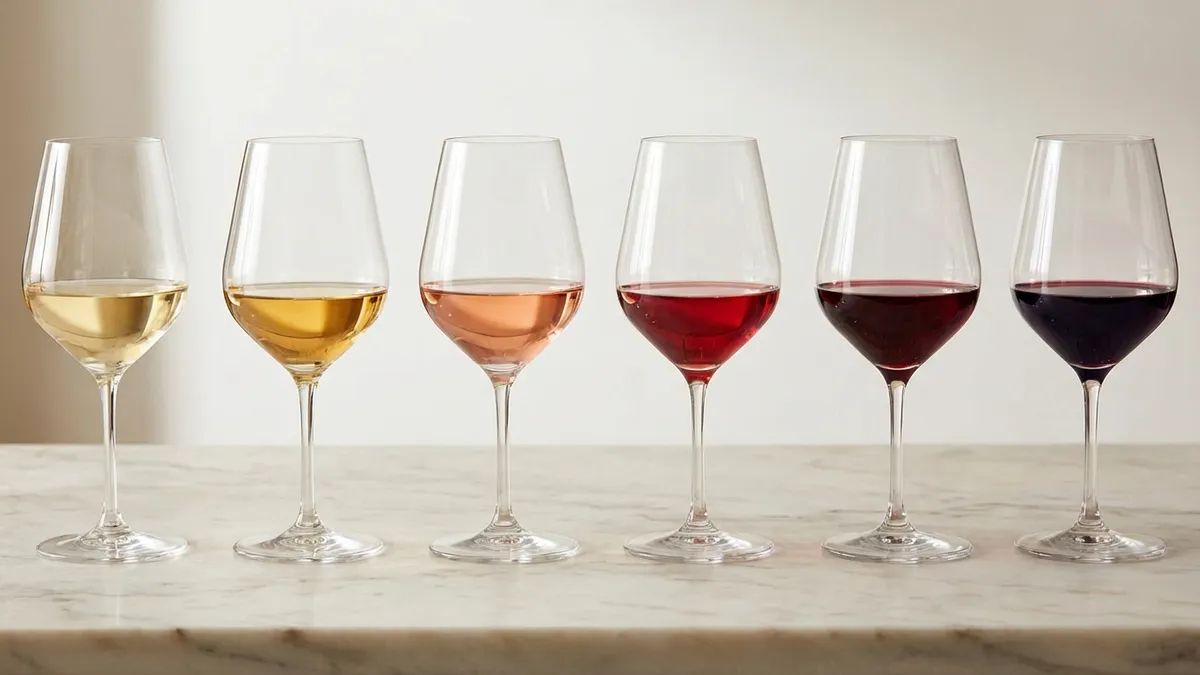
The 6 Noble Grapes Every Wine Lover Should Know
Meet the six grape varieties that form the foundation of the wine world. Learn their flavor profiles, key regions, and food pairings.
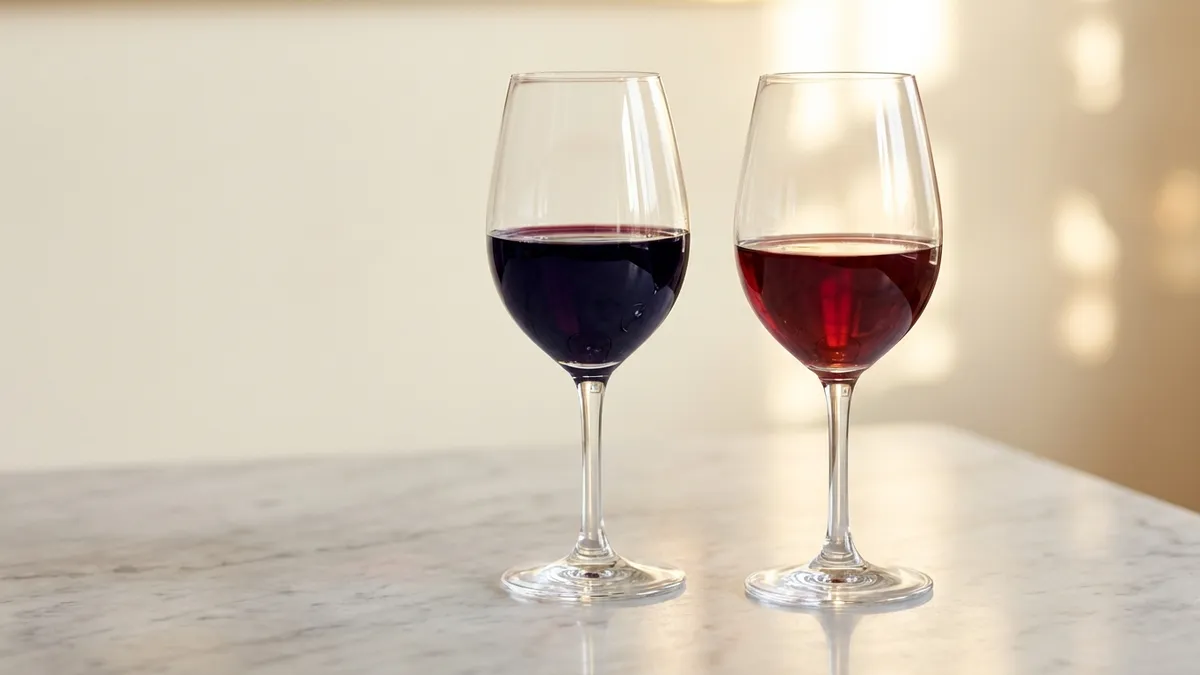
Cabernet Sauvignon vs Merlot: What Is the Difference?
Cabernet Sauvignon vs Merlot is the most common wine comparison in the world. Here is how they actually differ in flavor, structure, food pairing, and aging, with a side-by-side comparison you can try at home.
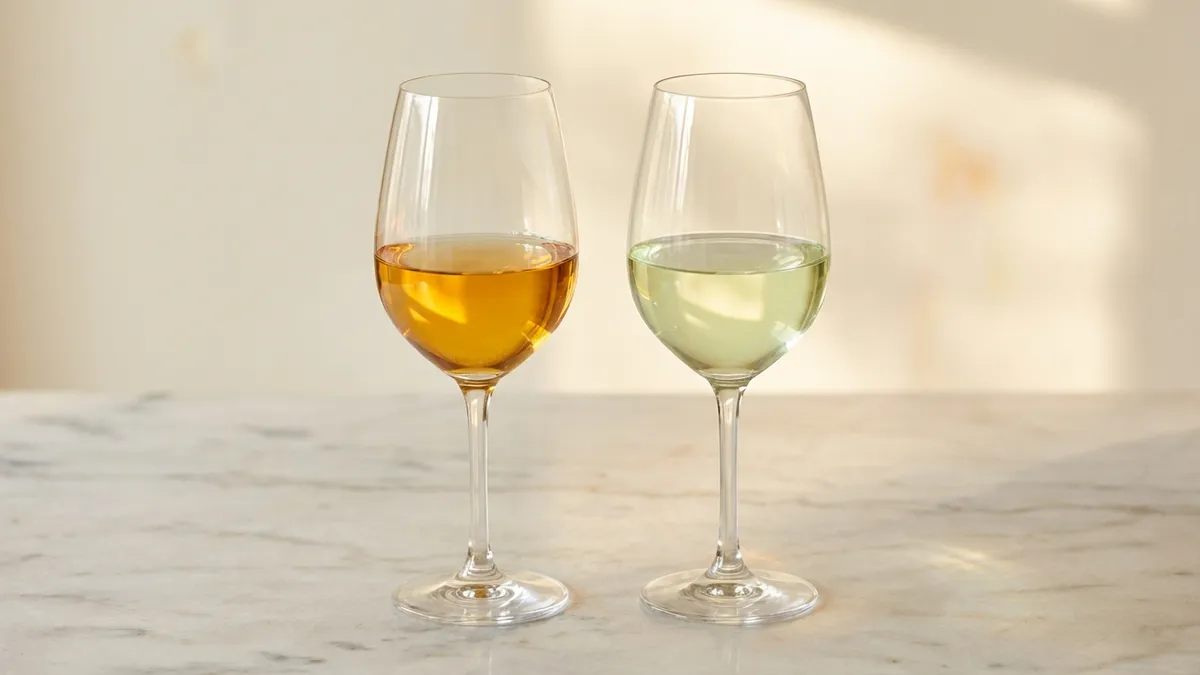
Chardonnay vs Sauvignon Blanc: How to Choose
Chardonnay vs Sauvignon Blanc is the white wine version of Cab vs Merlot. Here is how they actually differ in flavor, body, oak, food pairing, and style — and how to pick the right one for any occasion.