Pinot Noir: The Complete Guide to the World's Most Elusive Red
Sommy Team
Founder & Wine Educator
April 10, 2026
10 min read
TL;DR
Pinot Noir is the world's most transparent red grape. Its thin skin produces pale, translucent wine with red cherry, earth, and spice that reflects its terroir more honestly than any other variety. It covers roughly 117,000 hectares globally, thrives in cool climates, and pairs with almost anything from salmon to mushrooms to roast duck.
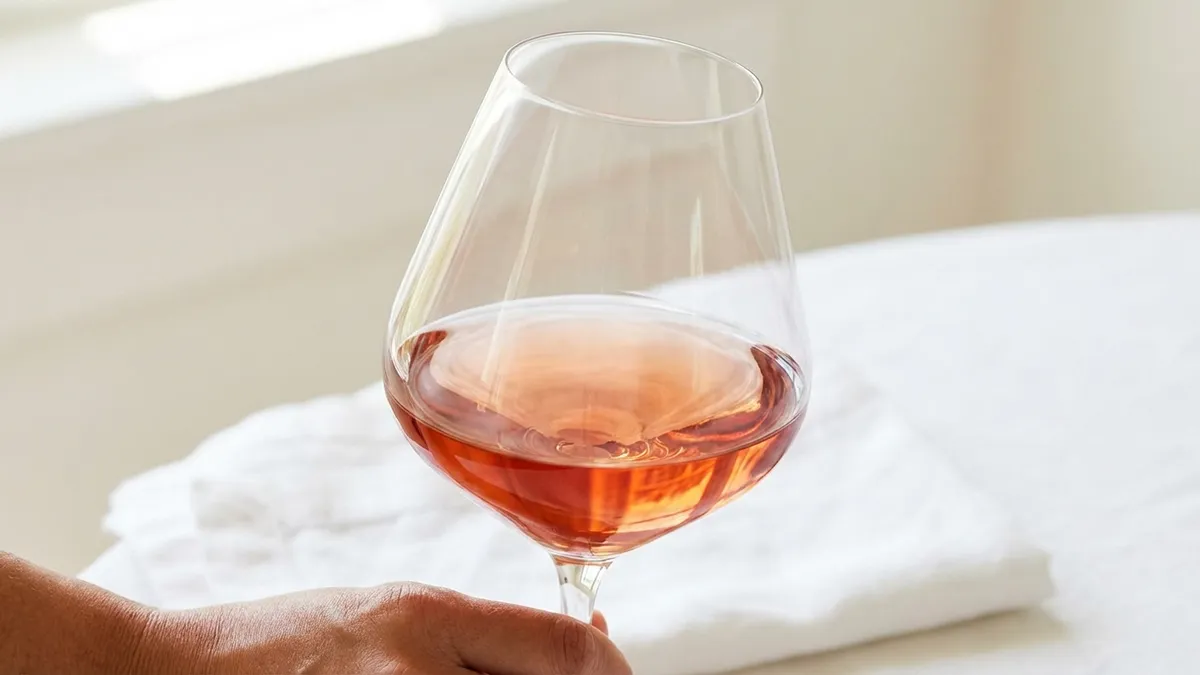
The Grape That Refuses to Be Easy
Every grape variety has a personality. Cabernet Sauvignon is the disciplined athlete — reliable, structured, built to perform. Merlot is the friendly one — approachable, round, easy to enjoy. Pinot Noir is neither. It is the artist — brilliant, temperamental, impossible to pin down, and capable of producing something genuinely transcendent when everything goes right. It is also capable of producing something thin and forgettable when it does not. No other grape in the world inspires this much devotion, frustration, and obsessive attention from both winemakers and drinkers.
This Pinot Noir wine guide walks through everything you need to know about the grape: what makes it structurally unique, what it tastes like at every level from entry to Grand Cru, where in the world it grows best, why "thin skin" is the single most important fact about the variety, how to pair it with food, and what to look for in the glass. By the end, you will understand why sommeliers who have spent their entire careers on Pinot Noir still call it the hardest grape to master — and why they keep coming back to it.
Pinot Noir Wine Guide: Why Thin Skin Changes Everything
The single most important thing to know about Pinot Noir is that it has thin skin. That one physical fact explains almost everything else about the wine — its pale color, its silky texture, its vulnerability in the vineyard, its transparency to terroir, and its extraordinary sensitivity to climate and winemaking.
Color
The anthocyanin pigments that give red wine its color are concentrated in the grape skins. Thick-skinned grapes like Cabernet Sauvignon and Malbec produce dense, opaque, inky-dark wines because they have more pigment per berry. Pinot Noir's thin skin means far less pigment extraction during fermentation. The result is a wine that is translucent ruby rather than opaque purple — often pale enough to see your fingers through when you hold the glass up to a white background. For a full breakdown of how color reveals age, grape, and style, see our guide to wine color meaning.
Tannin
Less skin means less tannin extraction. Where Cabernet Sauvignon grips and dries your palate, Pinot Noir slides across it. The tannins are fine-grained and silky rather than rough and astringent. This low-tannin profile is one of the reasons Pinot Noir pairs so well with a wide range of foods — it never overwhelms a dish. For a side-by-side comparison of how tannin levels differ between the major red grapes, see our guide to Cabernet Sauvignon vs Merlot, which builds the structural framework.
Terroir Transparency
Here is the quality that obsesses Burgundy producers: Pinot Noir is the most terroir-transparent red grape in the world. Terroir — the combination of soil, aspect, altitude, microclimate, and drainage that defines a specific vineyard — shows through Pinot Noir's thin skin more clearly than through any other variety. The same grape, from vineyards 100 meters apart in Burgundy, produces visibly different wines. This sensitivity is why Burgundy has the most intricate vineyard classification system on earth — because Pinot Noir actually rewards that level of geographic precision.
Thick-skinned grapes taste like themselves no matter where you plant them. Pinot Noir tastes like where it grows. That is the whole story.
What Pinot Noir Actually Tastes Like
The Core Flavor Profile
Despite its regional diversity, Pinot Noir has a recognizable aromatic signature that holds across climates. Here are the notes you will encounter in almost every version of the grape:
- Red fruit: cherry, raspberry, strawberry, cranberry, red currant
- Earth and mushroom: forest floor, damp soil, truffle, dried leaves
- Floral: rose petal, violet, dried lavender
- Spice: cinnamon, clove, star anise, black pepper (in warmer versions)
- Herbal: tea, dried herbs, thyme, sage
Red cherry is the single most diagnostic aroma. If you pour a red wine and smell ripe cherry before anything else — and the wine looks pale and translucent — the odds are very high that you are holding a glass of Pinot Noir. For more on how to develop your aroma identification skills, see our guide to how to smell wine.
How Climate Changes the Flavor
Pinot Noir shifts character dramatically with climate:
Cool climate (Burgundy, Champagne, Oregon Willamette Valley, Germany) — red cherry, earth, mushroom, high acidity, delicate structure, mineral undertones. These wines tend to be the most restrained and the most age-worthy.
Moderate climate (Sonoma Coast, Tasmania, Central Otago) — ripe cherry, raspberry, plum, spice, medium body. A sweet spot between delicacy and generosity.
Warm climate (parts of Napa, inland Australia, parts of Chile) — black cherry, dark plum, cola, lower acidity, richer body. These wines can feel more like Merlot in terms of weight, which is a sign that the climate is pushing Pinot Noir toward a style that is not its natural strength.
How Aging Transforms Pinot Noir
Young Pinot Noir (1 to 3 years) — bright, primary red fruit, fragrant, fresh.
Mid-aged (5 to 10 years) — the fruit softens, secondary notes appear: mushroom, leather, dried herbs, gamey notes, forest floor.
Aged (15 to 25+ years) — primary fruit is mostly gone, replaced by truffle, earth, dried rose, smoke, tobacco, and an almost ethereal delicacy. A well-aged Pinot Noir is one of the most quietly powerful experiences in wine. The finish can last 30 seconds or more despite the wine feeling almost weightless in the mouth. See our guide to wine finish meaning for more on why this matters.
Where Pinot Noir Grows Best
Pinot Noir covers roughly 117,000 hectares globally. It thrives in cool climates where it can ripen slowly, develop complexity, and maintain the high acidity that gives it freshness and aging potential. Here are the key regions.
Burgundy, France
The spiritual and historical homeland. Burgundy accounts for over 30 percent of worldwide Pinot Noir production from about 11,000 hectares under vine. The classification system runs from generic Bourgogne (entry level) through village wines (Gevrey-Chambertin, Volnay, Nuits-Saint-Georges) to Premier Cru and Grand Cru — the pinnacle.
Burgundy Pinot Noir is defined by its restraint: red cherry, earth, mushroom, and mineral notes that unfold slowly rather than hitting you all at once. The best examples age for decades and develop flavors that no other region can replicate. It is also the most expensive region for Pinot Noir — a consequence of tiny production volumes and enormous global demand.
For a broader look at French wine geography, see our guide to French wine regions.
Oregon, USA
Oregon's Willamette Valley planted its first Pinot Noir vines in 1965 and has since become the most important Pinot Noir region in the New World, with roughly 6,700 hectares under vine. The cool, wet climate and volcanic soils produce wines that sit stylistically between Burgundy's restraint and California's generosity — ripe red fruit with earth, spice, and enough acidity to age well.
Oregon Pinot Noir was the first non-Burgundy region to prove that the grape could produce serious, age-worthy wine at a fraction of Burgundy's price. It remains the best-value entry point for drinkers who want to understand what Pinot Noir can do.
New Zealand
Pinot Noir is New Zealand's most planted red grape variety, with about 5,600 hectares. The most famous region is Central Otago on the South Island — the world's southernmost major wine region — where the combination of continental climate, elevation, and intense UV light produces Pinot Noirs with dark cherry fruit, spice, and a savory, mineral character.
Marlborough also produces substantial Pinot Noir, though it is better known for Sauvignon Blanc. New Zealand Pinot Noir tends to be riper and slightly more fruit-forward than Burgundy, with a distinctive purity that has earned it a global following.
Other Noteworthy Regions
- Germany (Spätburgunder) — especially Baden and Ahr, producing elegant, earthy, often underrated Pinot Noirs
- Sonoma Coast, California — cooler coastal sites produce restrained, Burgundian-style Pinot Noir
- Tasmania, Australia — cool-climate island producing some of Australia's finest Pinot Noir
- Patagonia, Argentina — emerging cool-climate region with promising early results
Food Pairing: The Most Versatile Red Grape
Pinot Noir is the Swiss Army knife of red wine pairing. Its moderate tannin means it never overwhelms a dish the way Cabernet Sauvignon can. Its high acidity means it cuts through richness and refreshes the palate. Its complex aroma profile means it can complement a remarkably wide range of flavors.
Classic Pinot Noir Pairings
- Roast duck — the definitive pairing. The earthy, gamey notes in the wine mirror the richness of the duck.
- Grilled salmon — one of the few red wines that works with fish. The light body and low tannin let the salmon's fat be the star.
- Mushroom dishes — risotto, sautéed wild mushrooms, truffle pasta. The earth-on-earth combination is magical.
- Pork tenderloin — the cherry fruit complements pork's natural sweetness.
- Soft cheeses — Brie, Camembert, Époisses. The silky texture matches the creamy richness.
- Charcuterie — salami, prosciutto, pâté. Pinot Noir's acidity and fruit handle cured meats effortlessly.
- Thanksgiving dinner — turkey, cranberry, roasted vegetables. Pinot Noir is the universal holiday wine because it pairs with everything on the table.
When in doubt about which red to bring to dinner, bring Pinot Noir. It offends nobody and complements everything.
The Sommy app includes food-pairing recommendations for every grape variety, matched to the structural properties you learn in the tasting courses. Guided tasting sessions build the intuition for why Pinot Noir works with salmon but Cabernet does not — it is always about structure, not flavor matching.
How to Serve and Taste Pinot Noir
A few practical tips that make a real difference:
- Serve slightly chilled. Pinot Noir is best at 55°F to 60°F (13°C to 16°C) — cooler than most reds. See our wine serving temperature chart for the full range. A 15-minute stint in the fridge from room temperature is usually enough.
- Use a large-bowled glass. Pinot Noir's delicate aromatics benefit from a wide surface area to volatilize. A Burgundy glass with a generous bowl is ideal.
- Do not decant young Pinot. Unlike Cabernet, most Pinot Noir does not benefit from aggressive decanting. A gentle swirl in the glass is usually enough to open it up.
- Pay attention to the color. Pinot Noir's translucent ruby is one of its most recognizable visual signatures. If the wine looks opaque or very dark, it has been treated with more extraction than the grape naturally wants to give.
- Look for the earth. Fruit-only Pinot Noir is fine but one-dimensional. The best examples always have an earthy, mushroomy undertone beneath the cherry. That earth is where the grape's real character lives.
Build Your Pinot Noir Vocabulary
Pinot Noir is one of the most rewarding grapes to study because it responds so visibly to region, vintage, and winemaking. Once you learn to recognize the cherry-earth-silk signature, you can start hearing the regional accents — the restraint of Burgundy, the generosity of Oregon, the intensity of Central Otago, the elegance of Sonoma Coast. Each bottle teaches you something the last one did not.
The Sommy app builds grape-variety recognition into its structured tasting courses, with Pinot Noir as one of the first grapes you study because its structural profile — light body, silky tannin, high acidity, red fruit — is the clearest contrast to the Cabernet Sauvignon template. Visit sommy.wine to start training your palate on the grape that rewards attention more than any other.
Frequently Asked Questions
What does Pinot Noir taste like?
Classic Pinot Noir smells and tastes of red cherry, raspberry, strawberry, earth, mushroom, and spice. The texture is silky and light-to-medium-bodied with moderate tannin and high acidity. Aged examples develop notes of forest floor, truffle, leather, and dried rose petals. No other red grape delivers this combination of lightness and complexity.
Why is Pinot Noir called 'the heartbreak grape'?
Because it is notoriously difficult to grow and make well. Its thin skin makes it vulnerable to disease, rot, sunburn, and frost. It mutates easily, ripens unevenly, and reacts to even tiny environmental changes. Getting great Pinot Noir requires a specific climate, meticulous vineyard management, and a winemaker willing to accept that some vintages will simply not cooperate.
Why is Pinot Noir so pale compared to other reds?
Thin skin. The pigments (anthocyanins) that give red wine its color come from the grape skins. Pinot Noir grapes have much thinner skins than Cabernet Sauvignon or Malbec, which means less pigment extraction during fermentation. The result is a translucent, ruby-colored wine you can often see through when you hold it up to the light.
Is Pinot Noir a light wine?
Light to medium-bodied, yes. But light does not mean simple. Some of the most structured, complex, and age-worthy wines in the world are Pinot Noir. A top Burgundy can have more depth and nuance than a full-bodied Cabernet. Body and quality are completely separate properties.
What food pairs best with Pinot Noir?
Pinot Noir is one of the most food-friendly red grapes because of its moderate tannin and high acidity. Classic pairings include roast duck, grilled salmon, mushroom dishes, pork tenderloin, soft cheeses like Brie and Camembert, and charcuterie. Its versatility makes it the safest red to bring to a dinner when you do not know what is being served.
What is the best region for Pinot Noir?
Burgundy (France) is the historic benchmark and still produces the most terroir-expressive Pinot Noir in the world. Oregon's Willamette Valley, New Zealand's Central Otago, and Germany's Baden and Ahr regions all produce world-class examples. Each region puts a different stamp on the grape — no two taste alike.
Should I chill Pinot Noir before serving?
Yes, lightly. Pinot Noir is best served at 55°F to 60°F, which is cooler than most people serve red wine. A 15-minute stint in the fridge from room temperature gets it into range. Serving it too warm makes it taste alcoholic and flabby; serving it at the right temperature lets the delicate fruit and earth notes shine.
How long can Pinot Noir age?
Entry-level Pinot Noir is meant to be drunk within 3 to 5 years. Mid-range village-level Burgundy can develop beautifully over 5 to 15 years. Top-tier Grand Cru Burgundy and the best New World examples can age for 20 to 30 years or more, developing extraordinary complexity. Aging potential depends heavily on acidity and producer quality.
Get the free Wine 101 course
Start learning to taste wine like a pro with structured lessons and AI-guided practice.
Sommy Team
LinkedInFounder & Wine Educator
The Sommy Team is building the world's most approachable wine education app, helping beginners develop real tasting skills through structured courses and AI-guided practice.
Keep Reading
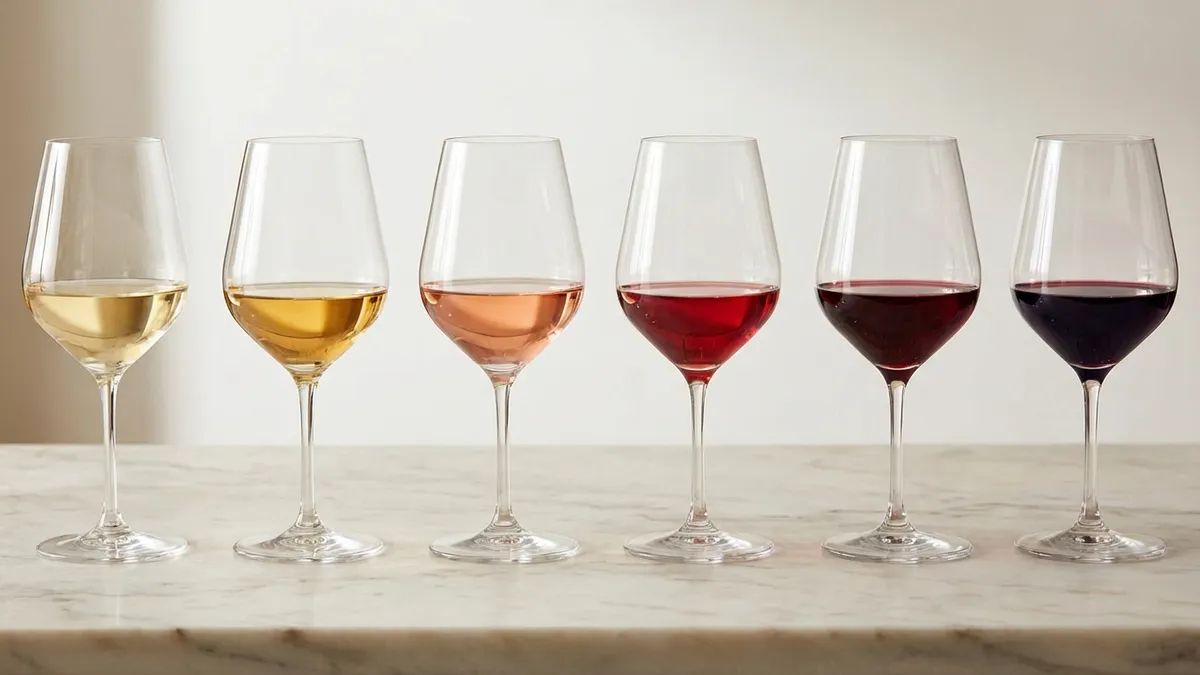
The 6 Noble Grapes Every Wine Lover Should Know
Meet the six grape varieties that form the foundation of the wine world. Learn their flavor profiles, key regions, and food pairings.
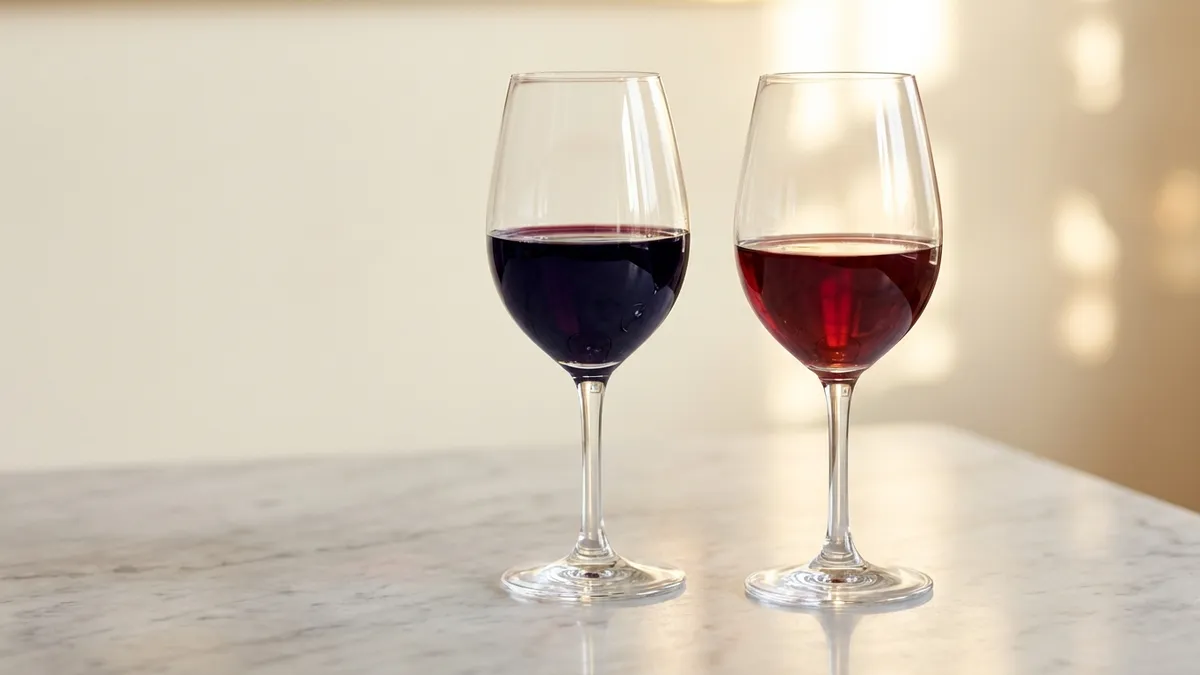
Cabernet Sauvignon vs Merlot: What Is the Difference?
Cabernet Sauvignon vs Merlot is the most common wine comparison in the world. Here is how they actually differ in flavor, structure, food pairing, and aging, with a side-by-side comparison you can try at home.
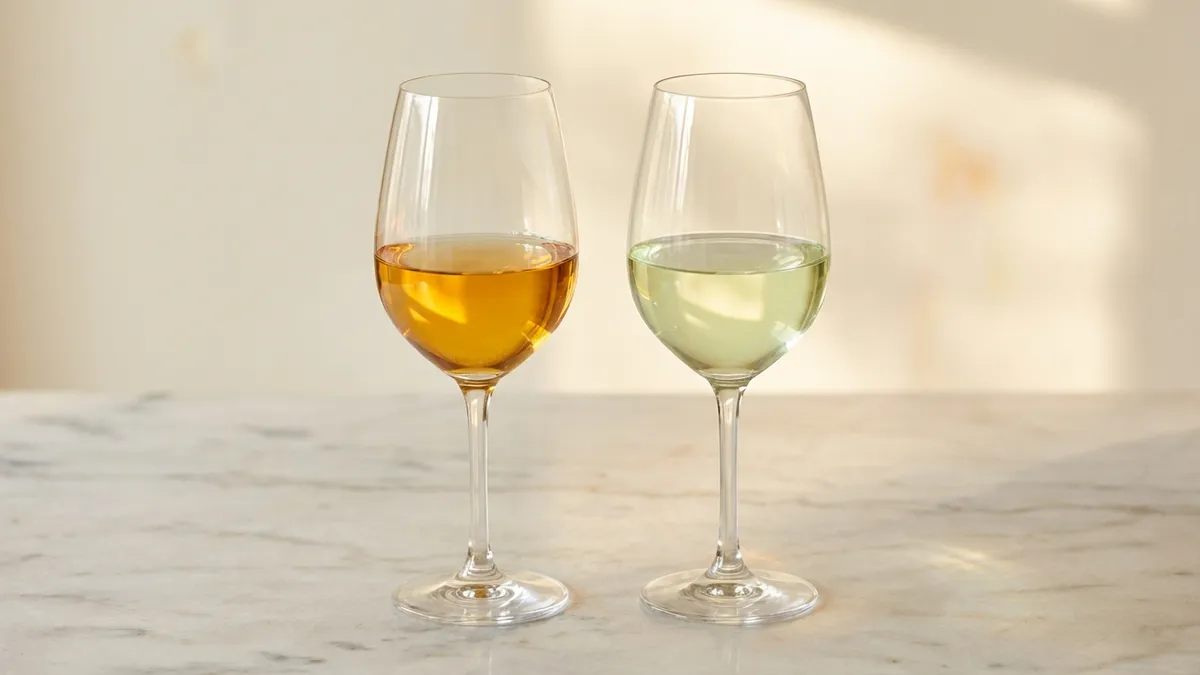
Chardonnay vs Sauvignon Blanc: How to Choose
Chardonnay vs Sauvignon Blanc is the white wine version of Cab vs Merlot. Here is how they actually differ in flavor, body, oak, food pairing, and style — and how to pick the right one for any occasion.