Tempranillo Wine Guide: Spain's Noble Red Grape
Sommy Team
Founder & Wine Educator
April 11, 2026
9 min read
TL;DR
Tempranillo is Spain's most planted red grape and the fourth most planted worldwide, with over 230,000 hectares under vine. It produces the great reds of Rioja and Ribera del Duero, ranging from bright young Joven wines to complex, oak-aged Gran Reservas built for decades of cellaring. Its savory character makes it one of the most food-friendly reds on earth.
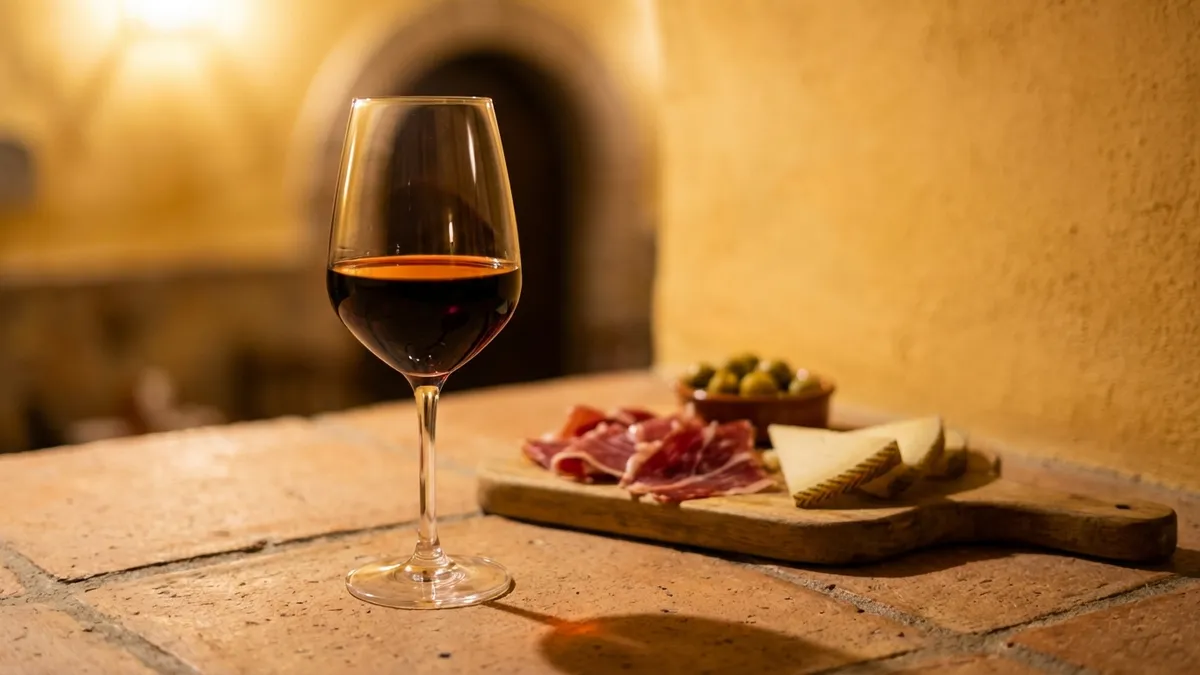
What Is Tempranillo Wine?
Tempranillo is Spain's most important red grape — the variety behind the country's two most prestigious wine regions, Rioja and Ribera del Duero. With over 230,000 hectares planted worldwide and 88% of that in Spain alone, tempranillo wine is both a national symbol and one of the most widely grown grapes on earth, ranking fourth globally behind Cabernet Sauvignon, Merlot, and Airén.
The name comes from the Spanish temprano, meaning "early," because the grape ripens earlier than most of its neighbors. That early ripening is one of the reasons it thrives across such a wide range of Spanish climates and altitudes.
What makes Tempranillo special is its chameleon-like ability to reflect both the place it grows and the hand of the winemaker. Young Tempranillo bursts with bright cherry fruit. Age it in oak for a few years, and it transforms into something darker, richer, and profoundly savory — leather, tobacco, cedar, and dried fig replacing the fresh fruit.
Tempranillo Tasting Notes and Flavor Profile
Tempranillo's flavor changes dramatically depending on how the wine is made and how long it has been aged. Understanding the spectrum helps you choose the right bottle for the moment.
Young Tempranillo (Joven)
- Aromas — fresh red cherry, strawberry, raspberry, a hint of black pepper
- Palate — medium body, bright acidity, juicy red fruit, minimal oak influence
- Tannins — moderate, soft
- Best for — casual drinking, warm-weather reds, everyday meals
This is Tempranillo at its most exuberant — pure fruit without the complexity of oak aging. Joven wines are typically released within a year of the harvest and are meant to be consumed young.
Oak-Aged Tempranillo (Crianza / Reserva / Gran Reserva)
- Aromas — vanilla, cedar, cigar box, tobacco, dried fig, leather, dill (especially with American oak)
- Palate — medium-full to full body, structured tannins, savory depth, long finish
- Tannins — medium-high, integrated
- Best for — special occasions, rich meals, cellaring
With oak aging, Tempranillo's character shifts from fruity to savory. The fresh cherry gives way to dried fruit and earth. The vanilla and cedar from the barrel weave into the wine's structure. This transformation is Tempranillo's great gift — few grapes take to oak as gracefully.
The Color in the Glass
Young Tempranillo shows a bright ruby-red with purple edges. As it ages, the color shifts toward garnet, then brick-red and orange at the rim — a useful visual clue when you are practicing wine color assessment. This color evolution is faster than in Cabernet Sauvignon, which holds its deep purple longer.
Spain's Aging Classifications — Decoding the Label
Spanish wine labels use a standardized aging system that tells you exactly how long the wine spent in barrel and bottle before release. These terms appear on Tempranillo-based wines from Rioja, Ribera del Duero, and other DO regions.
- Joven — Little to no oak aging. Released young, meant for immediate drinking.
- Crianza — Minimum 2 years of aging, with at least 6 months in oak barrels. The entry point to oak-aged Tempranillo.
- Reserva — Minimum 3 years of aging, with at least 12 months in oak. Selected from better vintages, showing more complexity and depth.
- Gran Reserva — Minimum 5 years of aging, with at least 18 months in oak. Made only in exceptional vintages from the best fruit. These are wines built for the long haul — rich, complex, and capable of aging for decades.
Sommelier tip: The aging classification is often a more reliable quality signal than price on Spanish wine labels. A Reserva from a good producer is one of the best values in the wine world.
Key Tempranillo Regions
Rioja
Rioja is the most famous Tempranillo region and one of Spain's most prestigious appellations. Located in north-central Spain along the Ebro River, Rioja benefits from a blend of Atlantic and Mediterranean climates that produce wines with bright acidity, elegant structure, and red-fruit character.
Rioja Tempranillo is traditionally blended with Garnacha (Grenache), Graciano, and Mazuelo (Carignan), though 100% Tempranillo bottlings are increasingly common.
The region divides into three sub-zones:
- Rioja Alta — The highest and coolest zone. Produces the most elegant, longest-lived wines with bright acidity and fine-grained tannins.
- Rioja Alavesa — In the Basque Country, producing aromatic, structured wines with chalky limestone soils.
- Rioja Oriental (formerly Rioja Baja) — Warmer and drier. More Garnacha-dominant, producing riper, fuller-bodied wines.
A defining feature of Rioja is its use of American oak barrels, which contribute distinctive vanilla, coconut, and dill notes that are a hallmark of the traditional style. However, a growing number of modern producers are shifting to French oak, which adds subtler spice and toast.
Ribera del Duero
Ribera del Duero sits on Spain's high central plateau — the Meseta — at elevations of 700–1,000 meters above sea level. The extreme continental climate delivers scorching hot days and dramatically cool nights, creating wines with intense concentration and deep color.
Here, Tempranillo is called Tinto Fino or Tinta del País. The wines are darker, more powerful, and more tannic than their Rioja counterparts — think black cherry and blackberry rather than red cherry and strawberry. Ribera del Duero Tempranillo is often compared to top Bordeaux in terms of structure and aging potential.
The short, intense growing season and chalky-clay soils produce grapes with thick skins and concentrated flavors. Where Rioja is elegant and refined, Ribera del Duero is bold and muscular.
Other Spanish Regions
Tempranillo appears across Spain under various local names:
- Toro — Produces an even more powerful, tannic style from a local clone called Tinta de Toro. High altitude and old vines create some of Spain's most concentrated reds.
- Navarra — Rioja's neighbor, producing good-value Tempranillo often blended with Garnacha.
- La Mancha — Spain's vast central plateau. Enormous volumes of everyday Tempranillo at entry-level prices.
- Valdepeñas — Known for well-priced Crianza and Reserva wines with a softer, approachable style.
Beyond Spain
- Portugal — Called Tinta Roriz in the Douro Valley and Aragonez in the Alentejo. It is a key grape in Port wine blends and increasingly respected in dry Douro reds.
- Argentina — Small but growing plantings, producing fruit-forward, approachable versions.
- Australia — Emerging interest, particularly in warmer regions like McLaren Vale and the Barossa.
For more on Spanish wine regions, see the dedicated regional guide.
How to Pair Tempranillo Wine with Food
Tempranillo is one of the most food-friendly red grapes in the world. Its savory character, good acidity, and moderate tannins make it a natural companion for a wide range of cuisines.
Classic Spanish Pairings
- Jamon Iberico — The quintessential match. The wine's acidity cuts through the fat while its savory notes echo the cured meat's nuttiness.
- Manchego cheese — Aged Manchego and Tempranillo Reserva is a textbook pairing. The salty, nutty cheese mirrors the wine's oak-aged complexity.
- Chorizo — Whether sliced as a tapa or cooked into a stew, chorizo's smoky paprika spice is a natural bridge to Tempranillo.
- Lamb — Roast leg of lamb with rosemary and garlic, a Sunday-lunch classic across Spain.
Beyond Spanish Cuisine
- Tomato-based dishes — Pizza, lasagna, pasta arrabbiata, ratatouille. Tempranillo's acidity harmonizes beautifully with tomato's brightness.
- Grilled meats — Steak, pork chops, sausages. The wine's structure handles char and smoke well.
- Mushrooms — Sauteed, in risotto, or stuffed. The earthy, savory notes find a perfect partner.
- Hard cheeses — Parmesan, aged Gouda, Pecorino. The umami in aged cheese amplifies Tempranillo's savory depth.
For more pairing principles, see the wine and food pairing guide.
What to Avoid
Tempranillo's moderate tannins and savory character can clash with very sweet dishes or overly delicate seafood. Save the Joven for lighter fare, but reach for a different wine entirely when serving raw oysters or crème brûlée.
Serving Tempranillo
Temperature
Serve Tempranillo at 16–18°C (60–65°F). Young Joven wines can go slightly cooler — around 14–16°C — to highlight their fresh fruit character. Older Reserva and Gran Reserva wines benefit from the warmer end of the range, which lets their complex oak-aged aromatics open up. For more detail, see the wine serving temperature chart.
Decanting
- Joven — No decanting needed. Pour and enjoy.
- Crianza — 15–30 minutes of air helps integrate the oak.
- Reserva — 30–60 minutes opens up the wine's complexity.
- Gran Reserva — Decant gently for sediment and give it 30–45 minutes. Very old bottles may fade quickly, so taste early and adjust.
Aging Potential
- Joven: Drink within 1–2 years
- Crianza: 3–8 years
- Reserva: 5–15 years
- Gran Reserva: 10–25+ years
Tempranillo vs Other Red Grapes
| Feature | Tempranillo | Cabernet Sauvignon | Malbec | Pinot Noir | |---|---|---|---|---| | Body | Medium-full | Full | Full | Light-medium | | Tannins | Medium-high | High | Medium-soft | Low-medium | | Acidity | Medium-high | Medium-high | Medium | High | | Key flavors | Cherry, leather, tobacco | Blackcurrant, cedar | Plum, violet | Cherry, earth | | Oak affinity | Excellent | Excellent | Good | Moderate | | Best with | Cured meats, lamb | Steak, aged cheese | Grilled meats | Duck, mushrooms |
If you enjoy Tempranillo's savory depth, you might also appreciate Cabernet Sauvignon for its structure or Malbec for its fruit-forward warmth.
Building Your Tempranillo Tasting Skills
Tempranillo is an ideal grape for learning about the effect of oak aging on wine. Try tasting a Joven, a Crianza, and a Reserva from the same producer side by side — you will clearly see how time in barrel transforms the mouthfeel, aroma, and flavor of the wine.
Pay attention to the shift from fresh fruit to dried fruit, from bright acidity to savory depth, and from soft tannins to integrated structure. These are the kinds of transformations that become easier to identify with practice.
The Sommy app includes guided tasting exercises that walk you through exactly these kinds of comparisons, helping you put words to what you sense and building your tasting vocabulary one glass at a time. Understanding how oak and time shape a wine is one of the most rewarding skills you can develop as a wine drinker — and Tempranillo makes that journey delicious.
Frequently Asked Questions
What does Tempranillo taste like?
Young Tempranillo tastes of red cherry, strawberry, and plum with a hint of pepper. Oak-aged versions develop flavors of vanilla, cedar, tobacco, leather, and dried fig. The grape has medium-high tannins, good acidity, and a distinctly savory character that sets it apart from fruit-forward New World reds.
Is Tempranillo similar to Cabernet Sauvignon?
They share some traits — both are full-bodied, tannic, and age well — but Tempranillo has a more savory, earthy profile with red fruit, while Cabernet Sauvignon leans toward blackcurrant and cedar. Tempranillo also tends to have slightly lower acidity and a softer tannin texture.
What is the difference between Rioja and Ribera del Duero?
Both regions use Tempranillo as their primary grape, but the wines taste different. Rioja has a milder, Atlantic-influenced climate that produces wines with brighter acidity, red fruit, and elegant structure. Ribera del Duero's high-altitude continental climate produces darker, more concentrated, more powerful wines with black fruit and deeper tannins.
What do Crianza, Reserva, and Gran Reserva mean?
These are Spanish aging classifications. Crianza requires at least 2 years of aging with a minimum of 6 months in oak. Reserva requires 3 years with at least 12 months in oak. Gran Reserva requires 5 years with at least 18 months in oak. Each step up means more complexity and higher quality.
What food pairs well with Tempranillo?
Tempranillo is exceptionally food-friendly. Classic pairings include Jamon Iberico, Manchego cheese, chorizo, lamb, and tomato-based pasta dishes. Its savory character and good acidity make it a natural match for Mediterranean and Spanish cuisine.
Is Tempranillo dry or sweet?
Tempranillo is a dry red wine. It has no significant residual sugar. The ripe fruit flavors — cherry, plum, strawberry — can create an impression of sweetness in younger wines, but the wine itself is dry.
How long can Tempranillo age?
Top Tempranillo wines can age for 20 years or more. Gran Reserva wines from Rioja and Ribera del Duero are specifically designed for long aging. Even good Reserva bottles develop beautifully over 10 to 15 years, with the fruit fading into complex leather, tobacco, and dried-fruit notes.
Where else is Tempranillo grown besides Spain?
Portugal is the second largest producer, where the grape is called Tinta Roriz and used in Port wine and Douro reds. Argentina, Australia, and the United States also grow Tempranillo, though in much smaller quantities. Spain dominates with about 88 percent of global plantings.
Get the free Wine 101 course
Start learning to taste wine like a pro with structured lessons and AI-guided practice.
Sommy Team
LinkedInFounder & Wine Educator
The Sommy Team is building the world's most approachable wine education app, helping beginners develop real tasting skills through structured courses and AI-guided practice.
Keep Reading
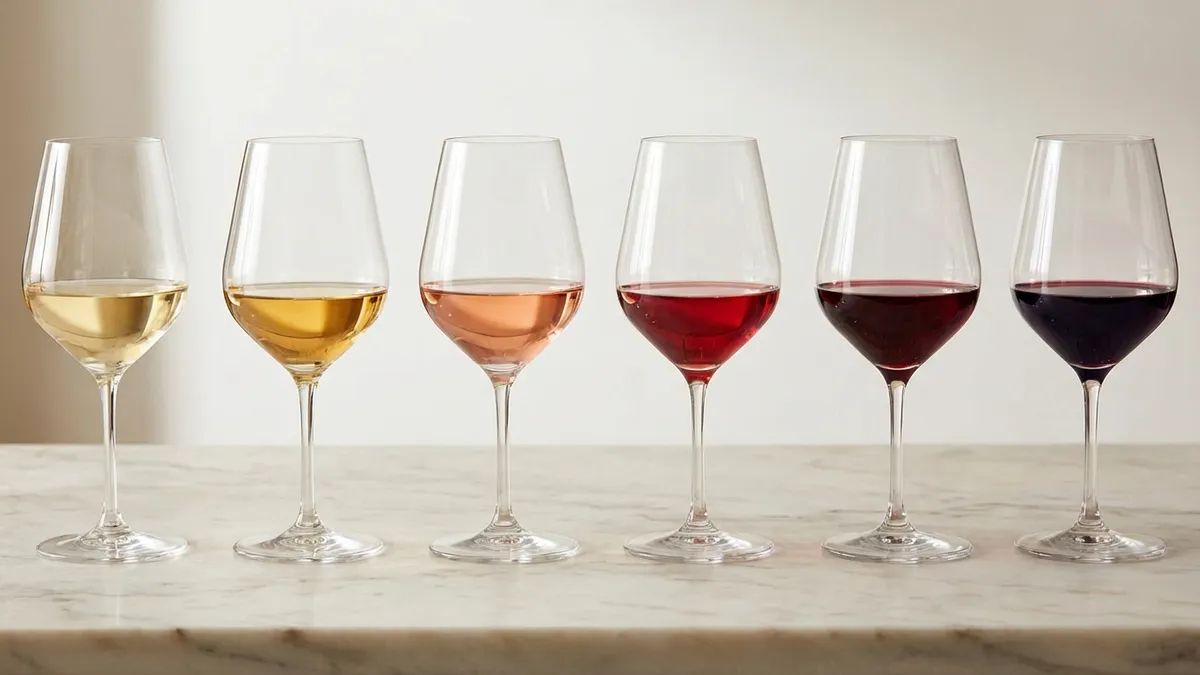
The 6 Noble Grapes Every Wine Lover Should Know
Meet the six grape varieties that form the foundation of the wine world. Learn their flavor profiles, key regions, and food pairings.
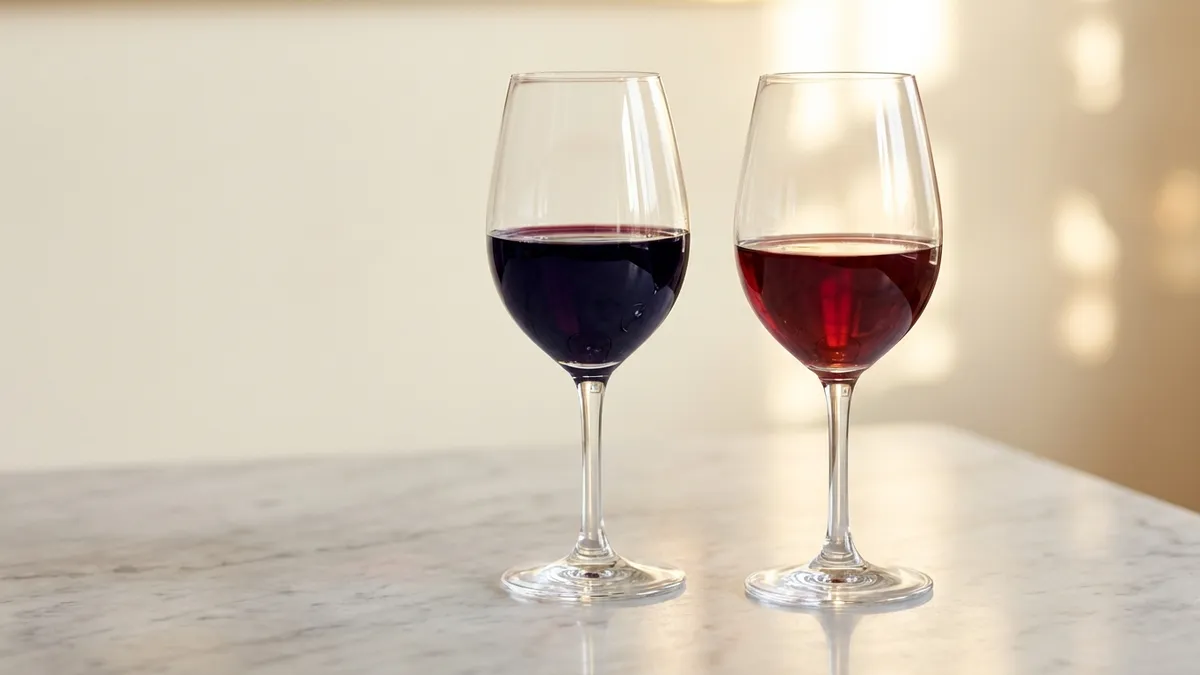
Cabernet Sauvignon vs Merlot: What Is the Difference?
Cabernet Sauvignon vs Merlot is the most common wine comparison in the world. Here is how they actually differ in flavor, structure, food pairing, and aging, with a side-by-side comparison you can try at home.
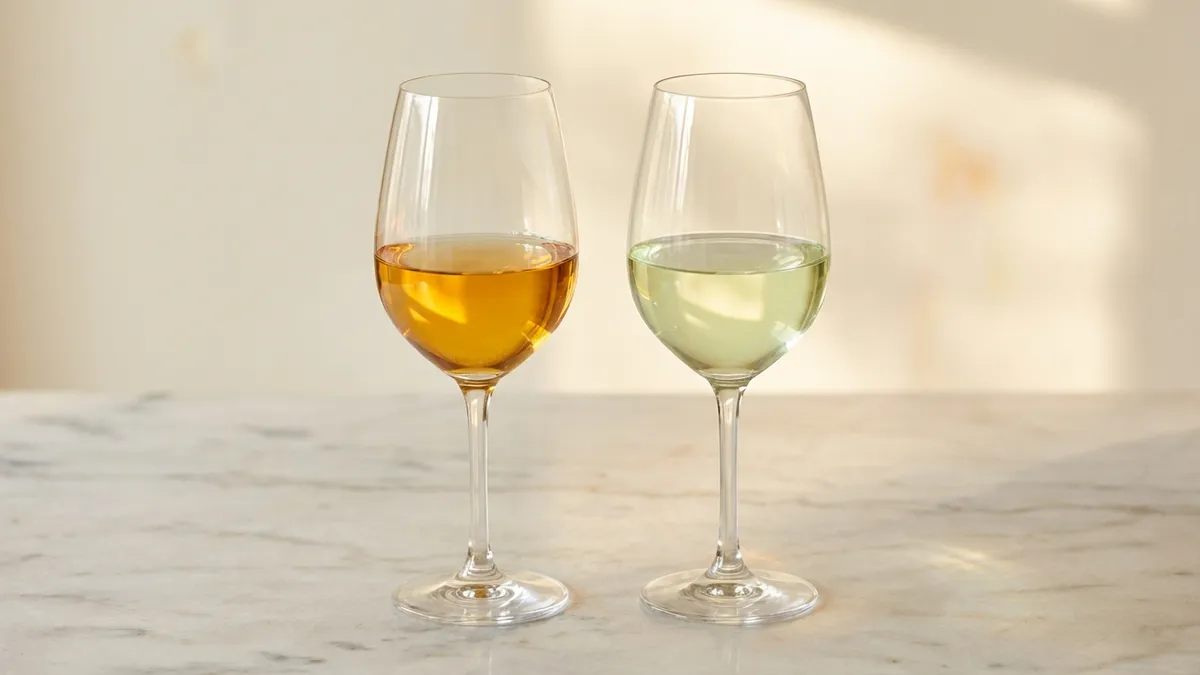
Chardonnay vs Sauvignon Blanc: How to Choose
Chardonnay vs Sauvignon Blanc is the white wine version of Cab vs Merlot. Here is how they actually differ in flavor, body, oak, food pairing, and style — and how to pick the right one for any occasion.