Kosher Wine Explained: Rules, Quality, and What to Try

By the Sommy Team — AI-assisted, human-edited.
Updated Oct 1, 2026
Contents (9)
- What Makes a Wine Kosher?
- What Do the Three Layers of Kosher Rules Cover?
- What Does Mevushal Mean, and Does Heating Hurt the Wine?
- When Do You Need Mevushal Wine?
- Does Kosher Wine Taste Different, and Why Is It Sometimes Sweet?
- How Do You Choose a Kosher Wine to Try?
- What Changes for Passover Wine?
- Does a Rabbi's Blessing Make Wine Kosher?
- Why Do Kosher Rules Reach Into the Vineyard?
TL;DR
Kosher wine is wine that only Sabbath-observant Jews handle from crush to bottling, made with kosher ingredients and certified with a hechsher. Grapes, region and sweetness are open. Mevushal wine is heated briefly so anyone can pour it, which matters at restaurants and catered events.
Kosher wine is decided by who touches it and what goes into it, not by the grape, the country or the sweetness. A dry Cabernet from California can be kosher; a sweet Concord can be kosher too. The one kosher word that changes how you serve a bottle is mevushal.
What Makes a Wine Kosher?
A wine is kosher when three conditions hold. First, only Sabbath-observant Jews handle it, from the first moment liquid is separated from the grape solids until the wine is pasteurised or the bottles are sealed. Wine Spectator puts it simply: "from crush to bottling", including drawing a barrel sample to taste. Second, everything added to the wine, from yeast to clarifying agents, must itself be kosher. Third, a certification agency or an authoritative rabbi supervises the process and issues a hechsher (the kosher certification mark printed on the label). Grape variety, region, oak and sweetness are all left to the winemaker, which is why kosher wine covers every style.
What Do the Three Layers of Kosher Rules Cover?
Kosher rules work on three layers: the vineyard, the ingredients and the hands that touch the wine. The certifier checks all three before granting a hechsher. Only the third changes how the bottle is served, and two optional labels, mevushal and kosher for Passover, sit on top of the core rules.
| Layer | What the rule says | What it changes for you |
|---|---|---|
| Vineyard | No fruit from a vine's first three years (orlah); in Israel, special rules for every seventh year (shmita) | Nothing at the table; the certifier checks it |
| Ingredients | Yeast, fining agents and other additives must be kosher; isinglass from sturgeon is out | Kosher is not a vegan label, so look for a vegan claim if that matters |
| Hands | Only Sabbath-observant Jews handle the wine until it is sealed or pasteurised | Decides who may open and pour a non-mevushal bottle |
| Mevushal (optional) | Juice or wine heated briefly to a level the certifier accepts | Anyone can pour it; choose it for restaurants and catered events |
| Kosher for Passover (optional) | Kept free of contact with chametz and kitniyot | Needed for a seder; plain kosher is not enough |
The ingredient layer mostly concerns fining (adding an agent that binds haze and drops it out of the wine). Isinglass, made from the swim bladder of the sturgeon, is not permitted. Kosher fining still allows other agents, so a vegan drinker needs the separate check explained in vegan wine explained.
What Does Mevushal Mean, and Does Heating Hurt the Wine?
Mevushal means "boiled" in Hebrew. The juice or the finished wine is heated fast and cooled again, and the heating lets anyone pour it afterwards without the wine losing its kosher status. Nothing boils in practice: the heat lasts seconds.

Wine Spectator describes two main methods. Flash pasteurisation heats the wine to about 185 to 190 F for a few seconds before bottling. Flash-detente heats intact grapes instead, to about 190 F, then cools them at once to about 80 F in a vacuum chamber.
The temperature itself is a matter of rabbinic law, and authorities disagree on it. Opinions run from about 165 F to 212 F, according to the OK, a major kosher certifier, while Wikipedia gives 74 to 90 C (165 to 194 F). The OK requires at least 187 F plus a valve that lets steam escape, so the wine measurably loses volume. Some authorities hold that the wine must be heated until its taste changes. Each certifier picks its own point in that range, and the hechsher tells you whose standard a bottle meets.
Heating does change red wine, mostly in one direction. Flash-detente raises fruitiness and softens tannin (the drying grip on your gums), according to Wine Spectator. A mevushal red from this method will usually taste juicier and rounder than the same wine unheated, which suits a weeknight red more than a wine meant for twenty years in a cellar.
When Do You Need Mevushal Wine?
If someone who is not Sabbath-observant will open or pour the bottle, choose mevushal; if observant hosts open and pour it themselves, any kosher wine works. The rule behind it is short, in the OK's words: an open bottle of wine handled by a non-Jew "becomes prohibited unless the wine is mevushal."
This is why kosher restaurants and caterers pour mevushal wine: their waiters are not all observant. It also decides what to bring as a guest. For an observant family dinner where the host pours, a non-mevushal bottle is fine and gives you a wider choice. For an event with hired staff, a wedding or a mixed group at a restaurant, bring or order mevushal.
Ordering in a restaurant has its own rhythm; how to order wine at a restaurant covers the rest of the conversation with the server.
Does Kosher Wine Taste Different, and Why Is It Sometimes Sweet?
The kosher rules alone do not change flavour. The same grapes, made the same way, give the same wine whether a rabbi supervised the cellar or not. An executive at a large kosher importer told Wine Industry Advisor there is "no difference" between kosher and non-kosher wine. That is an interested voice, but nothing in the rules touches fermentation, oak or blending.
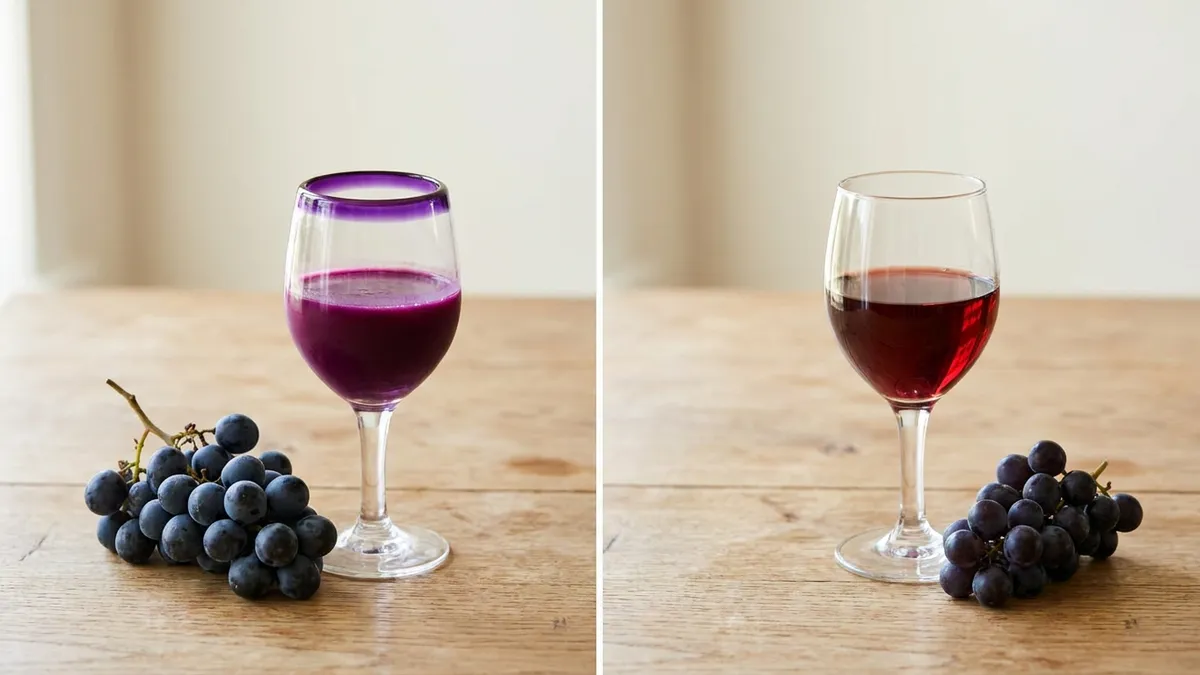
The sweet image comes from American history. In the United States kosher wine became linked to sweet Concord grape wines from wineries founded by Jewish immigrants in New York. Concord is a native American grape with a strong grapey smell, and those wines were sweetened. From the 1980s, with the revival of Israel's wine industry, kosher producers turned towards dry (no sugar you can taste) premium wine. Today a kosher Cabernet Sauvignon is as dry as any other Cabernet.
Sweetness has one reliable clue on the shelf. If the label names Concord or says the wine is for sacramental use, expect sweet; if it names a classic grape such as Cabernet, Merlot or Chardonnay with no sweetness word, expect dry. For the wider sugar question, see sweet vs dry wine and what dry wine means.
How Do You Choose a Kosher Wine to Try?
Choose a kosher wine the way you choose any wine: by grape, region and style, then check for the hechsher. Kosher wine comes from Israel, the United States, France, Germany, Italy, South Africa, Chile and Australia, according to Wikipedia. The hechsher means the same rules were followed in each, whatever the grape or style.
- Israeli reds. Cabernet Sauvignon and Merlot from high, cool vineyards keep fresh acidity despite the hot climate. The Israeli wine guide maps the regions.
- French reds. A kosher wine from a French region is made under supervision but in the local style, so it should taste like its non-kosher neighbours.
- German whites. A kosher Riesling gives a dry or off-dry white for fish or a spicy dish.
- California reds. Ripe Cabernet with a full body (weight in your mouth, like whole milk against skimmed) for roast meat.
If you are serving a long Friday-night dinner with roast chicken, a medium-bodied red such as Merlot or a dry white works better than a heavy Cabernet. If you want to explore one grape across both worlds, start with Cabernet Sauvignon.
What Changes for Passover Wine?
Kosher for Passover wine must also be kept free of contact with chametz (leavened grain products) and kitniyot (legumes, rice and similar foods that many Jews avoid at Passover). The difference sits in the handling and additives, so you cannot taste it. If the wine is for a seder, look for "kosher for Passover" in the certification; a bottle marked only kosher does not carry that promise.
Does a Rabbi's Blessing Make Wine Kosher?
No. A blessing plays no part in it, and Wine Industry Advisor calls the idea an "urban legend". The wine is kosher because of how it was made: observant hands, kosher ingredients and a supervisor who checks every step. A bottle that was blessed but handled by the wrong people is not kosher; one made correctly needs no blessing at all.
Why Do Kosher Rules Reach Into the Vineyard?
Two farm rules decide whether the grapes may be used at all: orlah applies to kosher wineries everywhere, shmita only in Israel. They never show on the label, but they explain why a certifier visits vineyards as well as cellars.
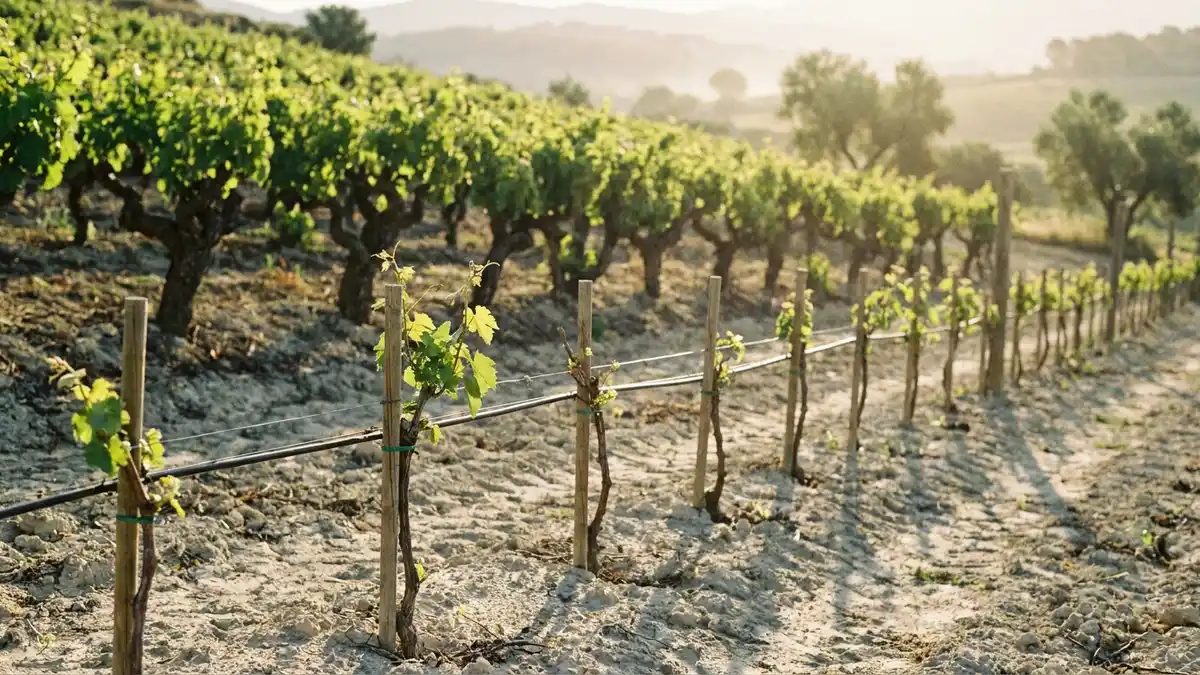
Orlah is the biblical ban on eating fruit from a tree or vine in its first three years after planting. Unusually for a farm law tied to the Land of Israel, it is generally applied abroad as well, though rabbinic authorities have long debated how strictly. For a kosher winery anywhere, a young vineyard's first crops cannot become wine.
Shmita is the seventh year of a seven-year cycle in which Jewish-owned farmland in Israel lies fallow: no planting, pruning or harvesting. It does not apply outside Israel. Some Israeli growers keep working through it under the heter mechira, a leniency that sells the land to a non-Jew for the year; some authorities accept it and others reject it. That makes the vintage year on an Israeli kosher wine something the strictest buyers check with their certifier.
More styles defined by how they are made sit in the wine styles hub, and the rest of the fine print is decoded in how to read a wine label.
Tonight, take one bottle from your rack and check the back label for a certification symbol and the word mevushal. Then pour a glass and taste it through the look, smell and taste steps in the Sommy app.
Sources
Frequently Asked Questions
What makes a wine kosher?
Three things. Only Sabbath-observant Jews may handle the wine from the moment juice is separated from the skins until the bottle is sealed or the wine is pasteurised. Every additive, such as yeast and fining agents, must be kosher. And a certification agency or an authoritative rabbi issues a hechsher, the certification mark on the label.
What does mevushal mean on a wine label?
Mevushal means 'boiled' in Hebrew. The juice or the finished wine is heated quickly and cooled again, typically to about 185 to 190 F for a few seconds. A mevushal wine stays kosher even when someone who is not Sabbath-observant opens or pours it, which is why kosher restaurants and caterers use it.
Does kosher wine taste different from regular wine?
Not because of the kosher rules themselves. A kosher and a non-kosher wine made the same way from the same grapes should taste the same. Mevushal is the one process that can show: flash-detente, a common heating method, raises the fruitiness and softens the tannin of red wine. The sweet reputation comes from New York Concord wines, not from the rules.
Is kosher wine always sweet?
No. The sweet image comes from Concord grape wines made in New York by wineries founded by Jewish immigrants. Since the 1980s, starting with the revival of Israel's wine industry, kosher producers have moved towards dry, premium wines. Today kosher Cabernet Sauvignon, Merlot or Chardonnay is as dry as any other.
Can a non-Jewish waiter serve kosher wine?
Only if the wine is mevushal, by the usual rule. An open bottle of non-mevushal kosher wine that a non-Jew handles is no longer kosher for observant drinkers. Mevushal wine is used in kosher restaurants and by caterers precisely so that non-Jewish or non-observant staff can pour it.
Is kosher wine only made in Israel?
No. Israel makes a great deal of it, but kosher wine also comes from the United States, France, Germany, Italy, South Africa, Chile and Australia. Any winery can make a kosher bottling if it follows the handling and ingredient rules under supervision, so a kosher Bordeaux-style red or a kosher Riesling is possible.
What is the difference between kosher and kosher for Passover wine?
Kosher for Passover wine meets every kosher rule and, in addition, has been kept free from contact with chametz and kitniyot, the leavened grains and the legumes, rice and similar foods that many Jews avoid during Passover. A wine that is only marked kosher does not carry that extra promise, so check the hechsher before a seder.
Sommy Team
LinkedInFounder & Wine Educator
The Sommy Team is building the world's most approachable wine education app, helping beginners develop real tasting skills through structured courses and AI-guided practice.