Jumilla Wine Guide: Spain's Big Monastrell Reds for Less

By the Sommy Team — AI-assisted, human-edited.
Updated Sep 24, 2026
Contents (10)
- What Is Jumilla Wine, in One Paragraph?
- What Grape Is Jumilla Wine Made From?
- What Does Jumilla Wine Taste Like?
- How Does Jumilla Compare With Yecla, Alicante and Bullas?
- How Do You Read a Jumilla Label?
- What Food Goes With Jumilla Wine?
- How Should You Serve Jumilla?
- Where Is Jumilla, and Why Is Its Wine So Ripe?
- Why Did Jumilla Escape Phylloxera, and What Happened in 1989?
- How Do You Start Tasting Jumilla Tonight?
TL;DR
Jumilla is a large Spanish appellation in northern Murcia and southeast Albacete where Monastrell, the grape France calls Mourvèdre, covers over 85% of the vines. Heat, 3,000-plus hours of sun and poor sandy soils give dark, tannic, ripe reds. Read the ageing word on the label and serve it with charred, fatty food.
Every jumilla wine guide begins with one grape and one climate. Jumilla is a big, hot, high plateau in southeast Spain where one thick-skinned grape, Monastrell, makes most of the wine. That is why a typical bottle tastes dark, ripe and grippy. It is also why it often costs less than its weight in the glass suggests.
What Is Jumilla Wine, in One Paragraph?
Jumilla is a Spanish DO (Denominación de Origen, a protected place name for wine, the Spanish version of an appellation) covering northern Murcia and a corner of Albacete in Castilla-La Mancha. Monastrell, the grape the French call Mourvèdre, covers over 85% of its vineyards. The vines sit between 400 and 800 metres up, get over 3,000 hours of sun a year and only about 300 mm of rain. The result is deep-coloured, full-bodied red wine with firm tannin and ripe blackberry fruit. In 2016/17 the region had 18,682 hectares of vines. The labels to learn are joven, crianza and reserva.
What Grape Is Jumilla Wine Made From?
Monastrell, the same grape the French call Mourvèdre, and it covers over 85% of the vineyard. Australian and older Californian labels call it Mataro. Monastrell and Mourvèdre are one variety under two names, not two cousins. The grape is probably Spanish by birth: its French name likely comes from Murviedro, the old name for Sagunto near Valencia.
Monastrell is Spain's fourth most planted red grape. It is also shrinking. Spain had 43,049 hectares of it in 2015, down from over 100,000 hectares in 1996, as growers replaced old plantings with international grapes. The southeast around Murcia and Valencia is where it holds on, and Jumilla is its largest stronghold. The Mourvèdre wine guide follows the grape into Bandol and the Rhône.
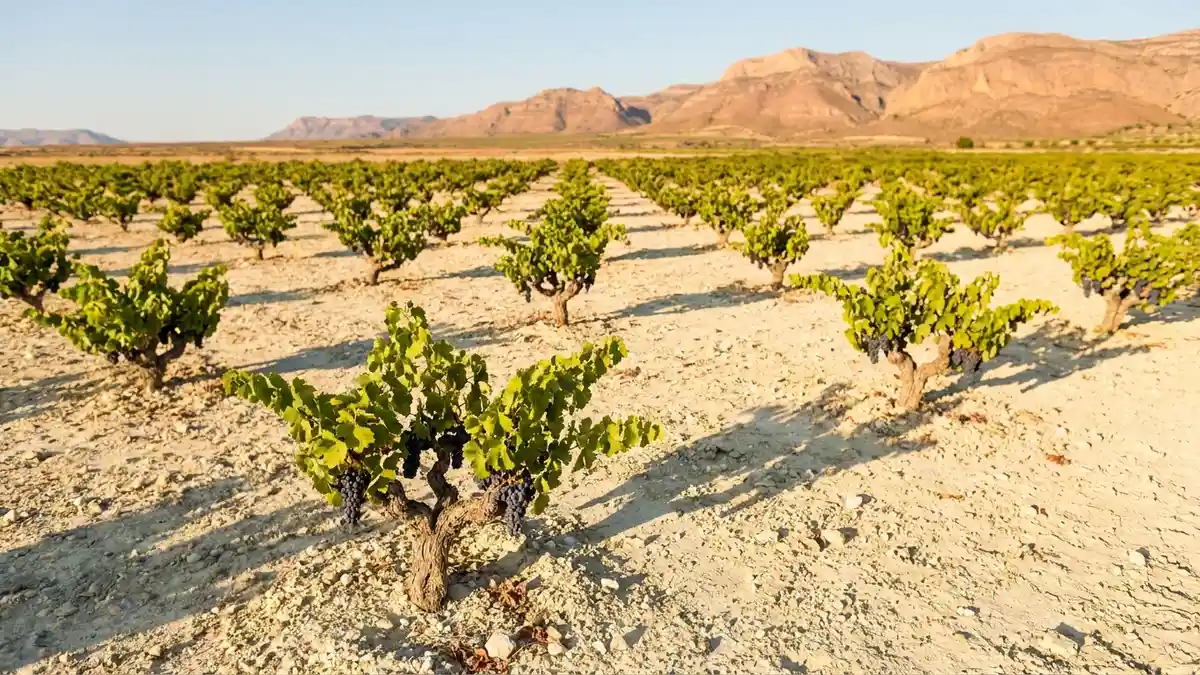
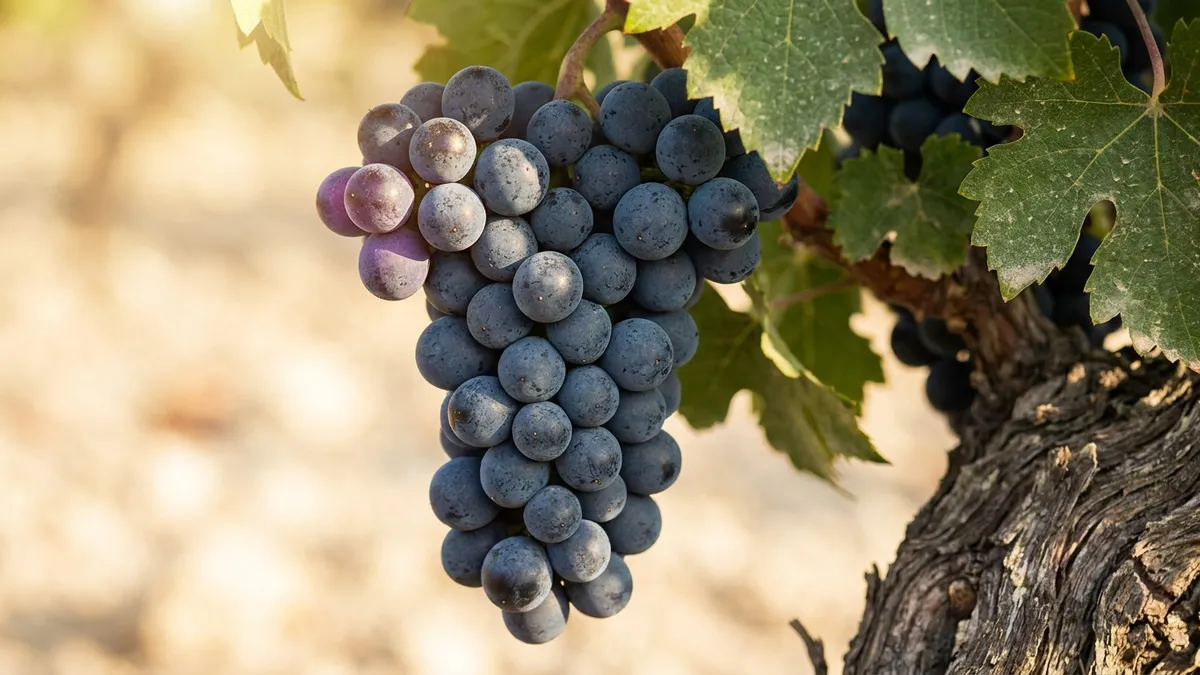
The grape has small, thick-skinned berries. Thick skins carry colour and tannin (the drying grip you feel on your gums), which is why the wine looks nearly opaque. Monastrell also ripens very late, so it only gets fully ripe in hot places. In the southern Rhône it can struggle to ripen in cool years; a Jumilla summer rarely leaves it short.
Monastrell is not alone in the vineyard. The rules also allow Tempranillo (called Cencibel locally), Garnacha, Garnacha Tintorera, Cabernet Sauvignon, Merlot, Syrah and Petit Verdot. Many bottles blend one or two of these with Monastrell, in a Spanish echo of the Grenache, Syrah and Mourvèdre trio described in the Rhône blend guide.
What Does Jumilla Wine Taste Like?
Dark, ripe and grippy: deep colour, firm tannin, and alcohol that rarely sits below about 13%. Monastrell is almost never picked at lower ripeness, because the flavours at that stage are thin and green. So the wine has full body (weight in the mouth, like whole milk against skimmed) and a warm finish.
Start with structure. The tannin lands on your gums and the inside of your cheeks, and it is firmer than in a Merlot or a Garnacha. Acidity is moderate, so the wine feels round rather than sharp. The guide to tannins explains why a thick-skinned grape grips harder.
Then the aromas. Wine writer Jancis Robinson describes good Monastrell as smelling of blackberry, with a gamey, meaty side. In Jumilla the blackberry is ripe to the point of jam, because long, hot, sunny days push sugar up. The meaty note comes from the grape itself, and it reads like cured ham or a grilled steak crust.
Young Monastrell can also smell reduced (a struck-match smell from too little air during winemaking), and some bottles add a farmyard note. Wine writer Oz Clarke notes that these can make a young bottle seem faulty. The struck match usually fades with air, and with years in bottle the wine moves toward leather and gingerbread.
Oak plays a smaller part than you might expect. Monastrell tends to absorb barrel flavour less than Cabernet Sauvignon or Merlot, so many producers age it in large or older barrels. Even a crianza often tastes more of fruit and spice than of vanilla.
How Does Jumilla Compare With Yecla, Alicante and Bullas?
All four grow Monastrell in the same hot southeast corner of Spain, but they differ in size and signature style. Jumilla is the largest by vineyard area. Yecla is small and export-driven, Alicante has a famous sweet wine, and Bullas is known for young reds and rosés.
| DO | Vineyard area (2016/17) | Signature style | Buy it when |
|---|---|---|---|
| Jumilla | 18,682 ha | Full-bodied Monastrell and Monastrell blends, joven to reserva | You want the widest choice of dark, ripe reds at everyday prices |
| Yecla | 4,830 ha | Monastrell reds, 92% of sales exported | You shop outside Spain and see Monastrell but no Jumilla on the shelf |
| Alicante | 10,379 ha | Monastrell reds inland (Vinalopó), Moscatel whites on the coast, sweet Fondillón | You want Monastrell as a sweet wine after dinner, or a Moscatel white |
| Bullas | 1,811 ha | Young Monastrell reds and rosés from 500 to 800 metres | You want a lighter, fresher Monastrell or a rosé for warm weather |
Yecla borders Jumilla to the north-east and sells 92% of its wine abroad, the highest share of any Spanish DO. Alicante's inland Vinalopó zone grows Monastrell, while its coastal La Marina zone grows Moscatel for whites. Its Fondillón is a traditional, usually semi-sweet wine made from overripe Monastrell. Bullas sits higher up, with many vineyards between 500 and 800 metres, and is known for young reds and rosés.
For the rest of the country, from Rioja to Priorat, the Spanish wine regions guide maps every major area. The Priorat guide shows the opposite end of the price scale.
How Do You Read a Jumilla Label?
Read the ageing word first, then the grape line. Jumilla uses Spain's national ageing ladder, the same words you see on a Rioja, though Rioja sets longer barrel minimums. Each rung adds barrel and bottle time, which moves the taste from fresh fruit toward spice and leather.
- Joven ("young") means little or no oak. It tastes of fresh blackberry and is meant to be drunk soon after release.
- Crianza red spends at least 6 months in oak barrels before release.
- Reserva red spends at least 12 months in oak and more time in bottle.
- Gran reserva is the longest-aged tier, usually made only in better vintages.
A year on the label means at least 85% of the grapes came from that harvest. The wine label guide covers the rest of the back label.
If the label says joven, expect fresh blackberry and give the bottle a light chill. If it says crianza or reserva, expect leather and spice from barrel time, and serve it with a heavier dish.
Not every Jumilla comes from old, dry-farmed bush vines. The rules cap traditional low-density plantings at 4,000 kg of red grapes per hectare. Denser, modern plantings may crop up to 7,000 kg per hectare. Lower yields mean more flavour per grape, so a bottle that names old bush vines usually tastes more concentrated than an unnamed blend.
What Food Goes With Jumilla Wine?
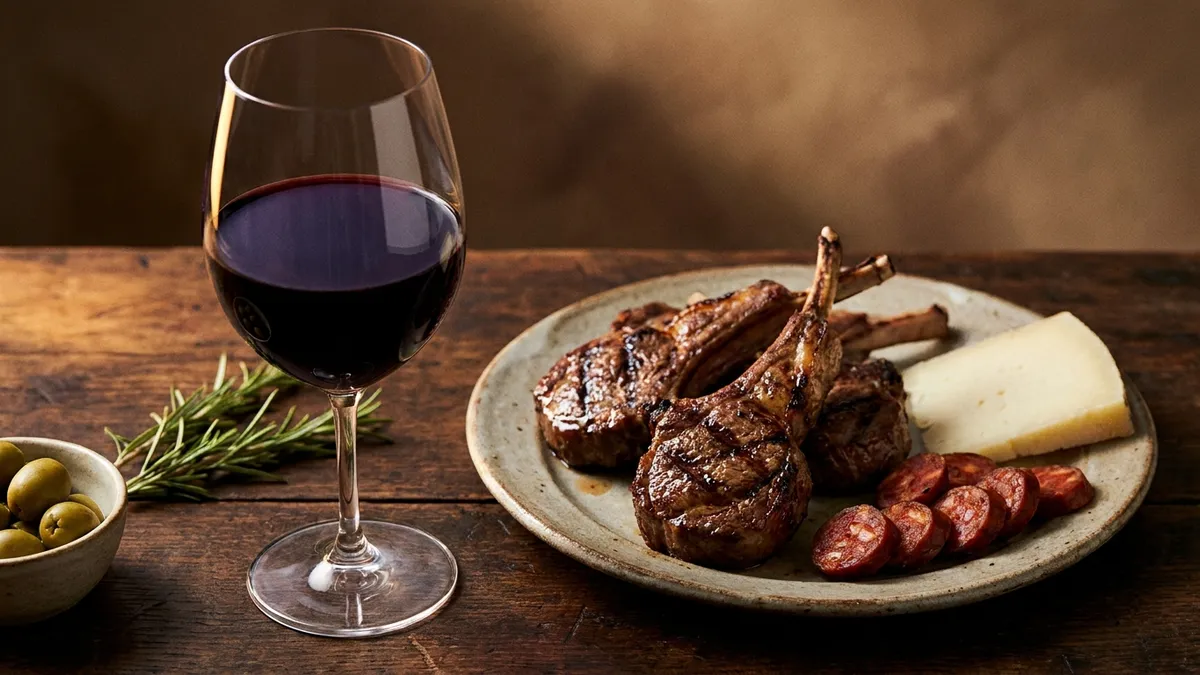
Food with char, fat and salt, because those soften the firm tannin Monastrell brings. A fatty lamb chop or a slice of chorizo does the job. Fat coats the mouth so tannin feels less drying, salt makes the wine taste fruitier, and charred edges echo the wine's meaty side.
- Grilled lamb chops: the fat around the bone rounds off the tannin, and the char matches the gamey note.
- Chorizo and cured ham: salt pulls the blackberry forward, and paprika picks up the spice from oak.
- Barbecued ribs: the sweet-smoky glaze meets jammy fruit, so the wine does not taste sour beside it.
- Bean and sausage stews: slow-cooked fat and pulses give a young joven enough to hold on to.
- Aged sheep's cheese: its fat and salt soften a crianza's grip, as the Callout above shows.
If the dish is lean or fiery with chilli, pick a joven with less alcohol instead of a reserva, because heat makes high alcohol burn. Lean white fish loses its flavour next to this much tannin. The wine with spicy food guide covers chilli in depth, and the wine with steak guide matches reds to each cut.
How Should You Serve Jumilla?
Cooler than the room, and with air if it is young. A warm red tastes of alcohol first, so twenty minutes in the fridge helps a bottle that has sat in a warm kitchen. The wine serving temperature chart gives the target range for full-bodied reds.
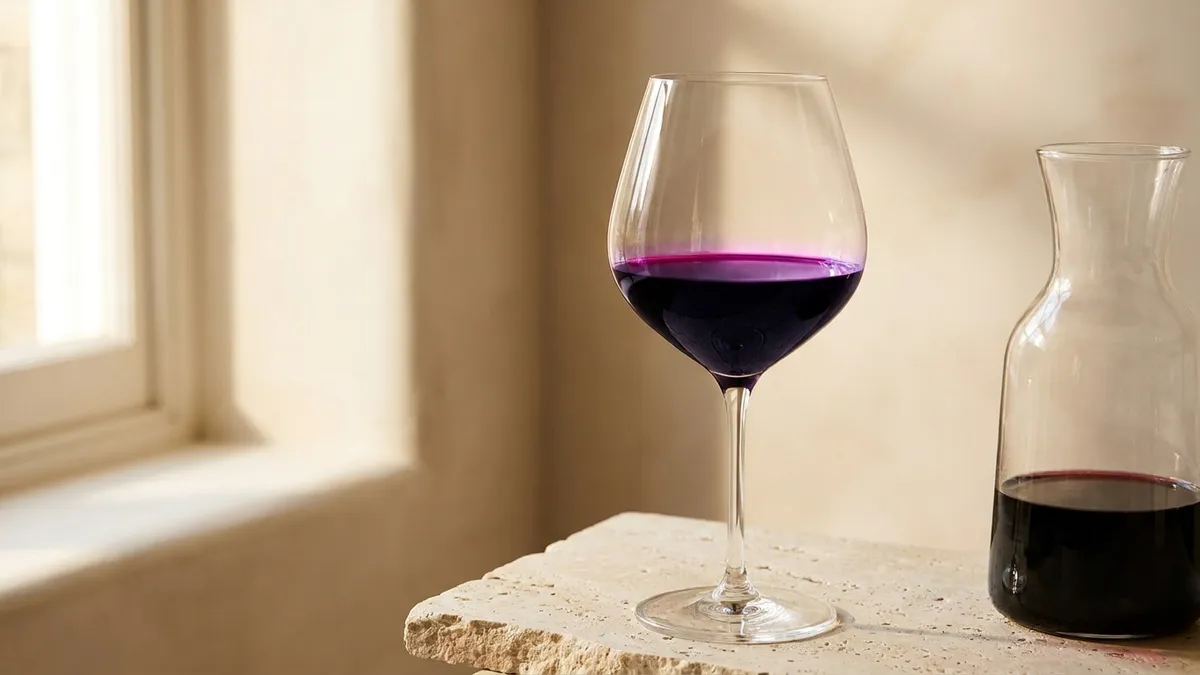
If the wine smells of struck match when you open it, pour it into a jug or decanter and wait 30 minutes. That smell is the reduction described above, and air clears it. Older reservas need less air, and a gentle pour keeps any sediment in the bottle. The decanting guide shows the steps.
Use a large glass with room to swirl. Swirling spreads the wine thin, which releases Monastrell's blackberry and meaty aromas.
Where Is Jumilla, and Why Is Its Wine So Ripe?
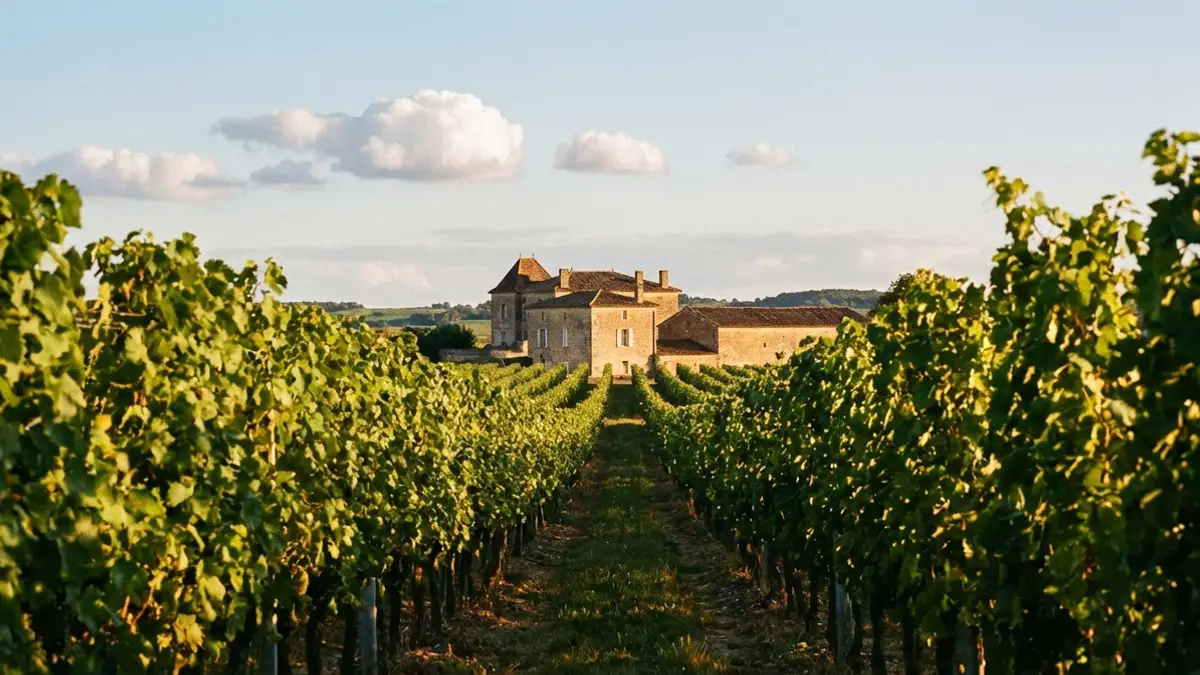
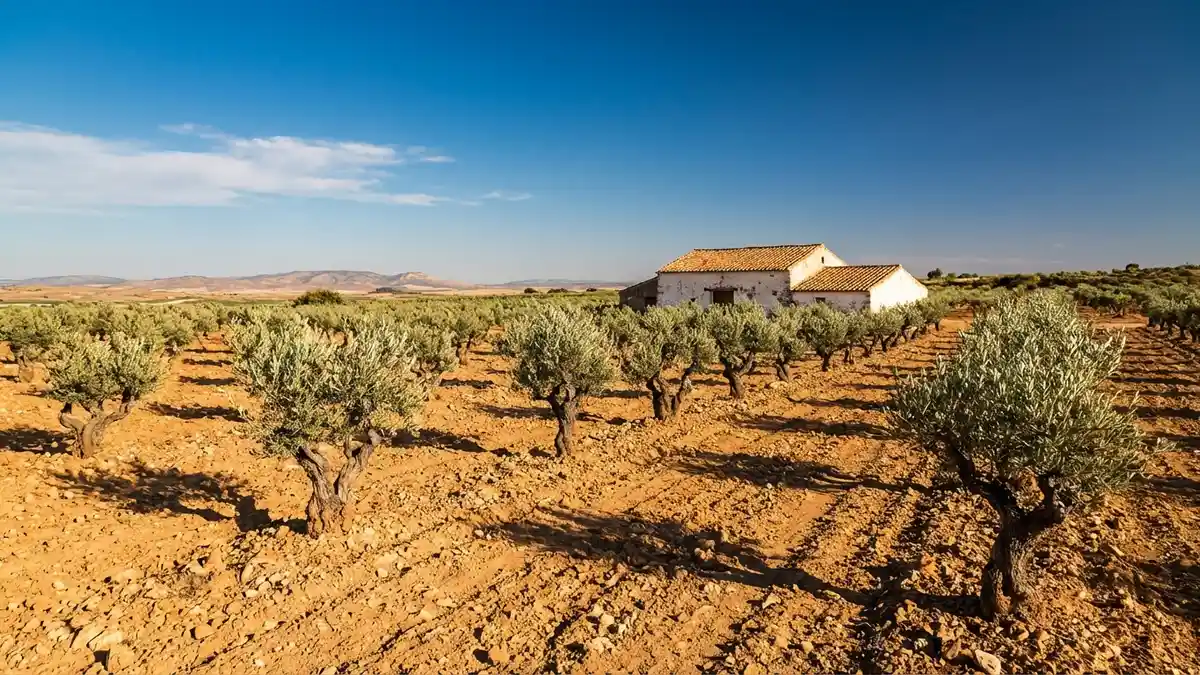
On a high plateau in southeast Spain, spread across northern Murcia and a corner of Albacete in Castilla-La Mancha. The area is a transition zone between the Mediterranean coast and the central plateau, and its vineyards sit on wide valleys and flat uplands between 400 and 800 metres.
The climate is continental (long hot summers and cold winters), softened slightly by the sea. Rain is scarce, around 300 mm a year, and it often falls in violent spring and autumn storms. The average temperature is 16°C, summer can reach 40°C, and frost is a risk until March. Vines get over 3,000 hours of sun a year. Sun and heat drive up grape sugar, and that sugar becomes the high alcohol and jammy fruit in the glass. The climate and wine flavour guide explains that link for every region.
Altitude keeps the wine from tasting baked. Nights on the plateau are cooler than on the coast, and cool nights help grapes hold some acidity.
The region is large. In 2016/17 it had 18,682 hectares of vineyard and made 102,637 hectolitres of wine. That scale, plus reliable sun, is a big reason Jumilla sells at friendly prices. The wine price vs quality guide explains what extra money buys elsewhere.
Why Did Jumilla Escape Phylloxera, and What Happened in 1989?
Its sandy, lime-rich soils resisted the vine louse in the 19th century, until an outbreak in 1989. When the pest finally came, it hit vines that had never been grafted. Phylloxera is a tiny insect that feeds on vine roots and destroyed much of Europe's vineyard area in the late 1800s.
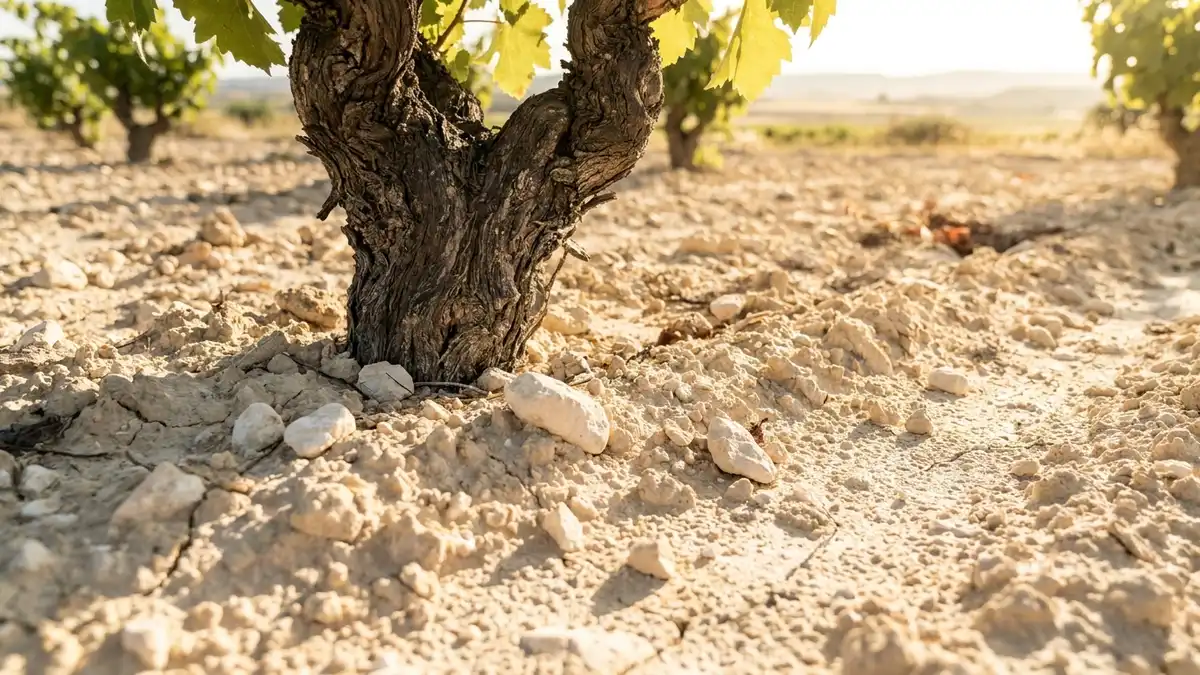
Jumilla's soils are dark, lime-bearing and sandy, and poor in organic matter. Their structure does not favour the spread of the louse, yet they hold water well enough for vines to survive long droughts. While France was losing its vineyards, French wine merchants came to Jumilla in large numbers to buy wine.
Elsewhere in Europe, growers saved their vineyards by grafting their vines onto American rootstock (resistant roots onto which a vine is joined). Jumilla's vines stayed on their own roots. Monastrell grafts poorly, so avoiding that step helped the grape survive here.
Then, in 1989, phylloxera arrived. It cut production by 60% over the next five years. Replanting and grafting was slow and costly, but growers used it to adopt modern vineyard and cellar methods already working in neighbouring Alicante and Almansa. Those methods helped shape the fresher, cleaner joven wines on shelves today.
How Do You Start Tasting Jumilla Tonight?
Buy two bottles tonight: a joven Monastrell and a crianza. Pour both, look at the colour against white paper, smell for blackberry and the meaty edge, then taste. Compare the fresh fruit of the joven with the spice and firmer grip of the crianza, and try each with a slice of chorizo.
The Sommy app at sommy.wine has a regional course on Spain that places Jumilla among its neighbours, and the wine regions hub lists more places to try next. Photograph both labels tonight in Sommy's AI-guided tasting mode, then taste the two glasses side by side and save both notes to your tasting journal.
Sources
Frequently Asked Questions
What is Jumilla wine known for?
Jumilla is known for dark, full-bodied red wine made mostly from Monastrell, which covers over 85% of the region's vines. The wines are deep in colour, firm in tannin and ripe, tasting of blackberry with a savoury, meaty edge. The region sits on a hot, dry plateau in southeast Spain and makes a large volume of wine, which keeps many bottles affordable.
Is Jumilla the same as Monastrell?
No. Jumilla is a place and Monastrell is a grape. Jumilla is a protected Spanish wine region, or DO, and Monastrell is the grape that dominates it. A bottle labelled Jumilla is usually Monastrell or a Monastrell-led blend, but the rules also allow Tempranillo, Garnacha Tintorera, Syrah, Cabernet Sauvignon, Merlot and Petit Verdot. Check the back label for the grape line.
Is Monastrell the same as Mourvèdre?
Yes. Monastrell and Mourvèdre are two names for one grape variety. Spain calls it Monastrell, France calls it Mourvèdre, and older Australian and Californian labels call it Mataro. The grape is thought to be Spanish in origin, and its French name probably comes from Murviedro, the old name for Sagunto near Valencia. Style differences come from climate and winemaking.
What is the difference between Jumilla and Yecla wine?
Both are Monastrell regions in the same hot corner of southeast Spain, and the wines taste alike. The difference is scale and market. Jumilla had about 18,682 hectares of vineyard in 2016/17, while Yecla had about 4,830. Yecla sells 92% of its wine abroad, the highest export share of any Spanish DO, so it often turns up on shelves outside Spain.
What food goes with Jumilla wine?
Food with char, fat and salt suits Jumilla best, because those soften Monastrell's firm tannin. Try grilled lamb chops, barbecued ribs, chorizo, bean and sausage stews or an aged sheep's cheese. Avoid lean white fish and very hot chilli dishes. With chilli, a young joven bottle works better than an oaked reserva, because heat makes high alcohol burn.
How should you serve Jumilla red wine?
Serve it a little cooler than room temperature, so the alcohol feels less warm. Twenty minutes in the fridge is enough for a bottle that has been sitting in a warm kitchen. If a young bottle smells of struck match or rotten egg when you open it, pour it into a jug or decanter for about 30 minutes before drinking.
Sommy Team
LinkedInFounder & Wine Educator
The Sommy Team is building the world's most approachable wine education app, helping beginners develop real tasting skills through structured courses and AI-guided practice.