Concrete Egg and Amphora Wine: What the Vessel Changes

By the Sommy Team — AI-assisted, human-edited.
Updated Sep 25, 2026
Contents (10)
- Concrete Egg and Amphora Wine, in One Paragraph
- How Do Clay, Concrete, Oak and Steel Compare?
- Why Do Clay and Concrete Behave Alike?
- What Is a Concrete Egg, and Why the Egg Shape?
- Do These Vessels Change How a Wine Tastes?
- How Do You Spot an Amphora or Concrete-Egg Wine When Buying?
- Which Styles Suit Clay and Concrete, and How Do You Serve Them?
- What Is a Qvevri, and How Is It Different From an Amphora?
- Why Did Winemakers Go Back to Clay and Concrete?
- How Can You Taste the Difference Tonight?
TL;DR
Concrete eggs and clay amphorae let a slow trickle of oxygen reach the wine without adding the vanilla and toast of oak. The result tastes of grape and texture rather than barrel. Georgia's buried qvevri is the oldest version, and amber colour comes from skin contact, not from the clay.
A concrete egg or a clay amphora lets a slow trickle of air reach the wine without adding the vanilla and toast of oak. So the glass tastes of grape, skin and texture rather than barrel. Concrete egg amphora wine is the modern branch of a clay tradition that Georgia never gave up.
Concrete Egg and Amphora Wine, in One Paragraph
Concrete eggs, clay amphorae and Georgia's buried qvevri (an egg-shaped earthenware vessel used to make, age and store wine) all sit between oak and stainless steel. Oak barrels breathe and add flavour. Steel tanks add nothing and let no air through. Unglazed clay and concrete are porous, so a little oxygen seeps in, but they give no vanilla, coconut or toast. A qvevri can hold anywhere from 20 to 10,000 litres, with 800 typical, against 225 litres for a standard oak barrique. The wines tend to feel rounder and taste of the grape itself. The amber colour of many amphora wines comes from skin contact, which works in any vessel.
How Do Clay, Concrete, Oak and Steel Compare?
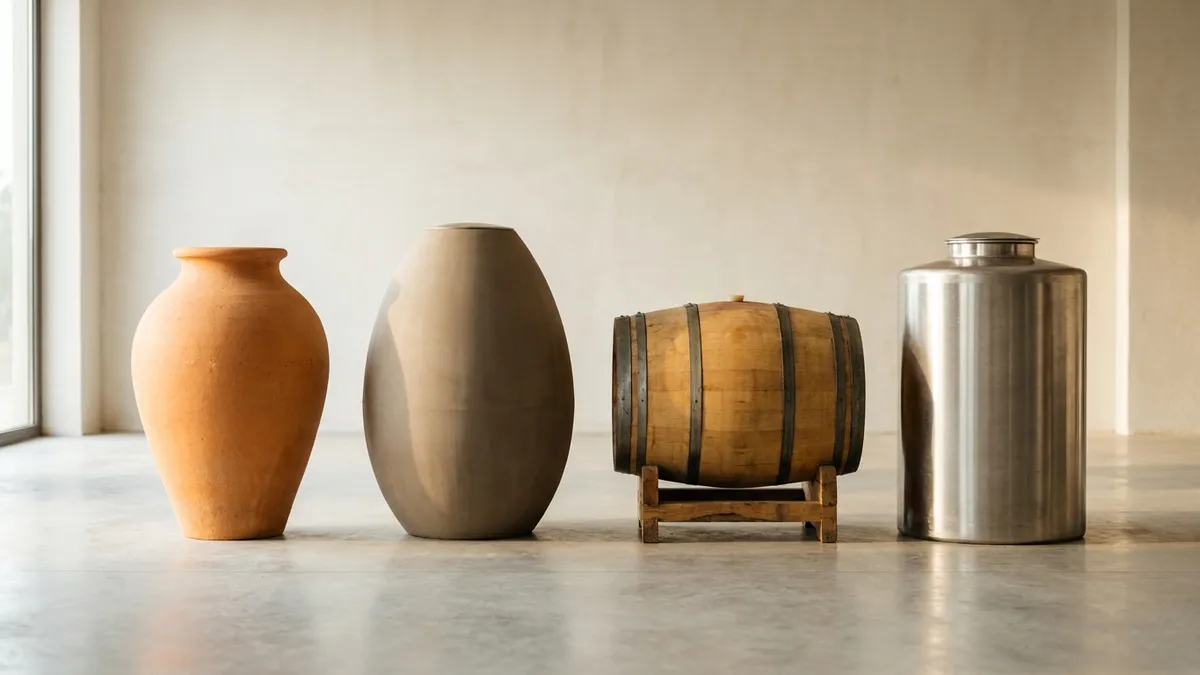
Oak adds flavour and air, steel adds neither, and clay and concrete sit between them: they let a little air in and add almost no flavour. Winemakers reach for them to get the softening of slow oxygen without the vanilla of a barrel.
Oak means barrels that add vanilla, toast or spice. A standard Bordeaux barrique holds 225 litres and loses roughly 21 to 25 litres a year to evaporation. American oak carries two to four times the coconut-scented lactones of French oak. After three to five vintages a barrel gives little flavour and far less oxygen, and the trade calls it neutral oak. Our explainer on what oaked means covers barrel toast and age in depth.
Steel is the opposite pole. Tanks of several cubic metres are sealed and inert, which keeps fruit crisp and bright.
| Vessel | Lets air in? | Adds flavour? | Typical size | What you taste | Look for on the label |
|---|---|---|---|---|---|
| Clay amphora or qvevri | Yes, slowly (less if lined) | Almost none | 20 to 10,000 L; 800 L typical qvevri | Grape and skins, rounder texture | Amphora, anfora, qvevri, kvevri, clay |
| Concrete egg or tank | Yes, slowly, varies by maker | None | Person-high eggs to large tanks | Clean fruit, soft, broad texture | Concrete, cement, egg |
| Oak barrel | Yes, falling after 3 to 5 vintages | Vanilla, toast, coconut, wood tannin | 225 L barrique | Grape plus barrel flavours | Oak, barrel, barrique, new oak |
| Stainless steel | No | None | Several cubic metres | Crisp, fresh, primary fruit | Steel, stainless, unoaked |
If you want fruit with no vanilla, choose steel, concrete or clay; if you want vanilla and toast, choose new oak. For how that wood flavour shows up in the glass, see oak flavors in wine tasting.
Why Do Clay and Concrete Behave Alike?
Both are porous walls of fired clay or cast stone with no wood in them, so oxygen seeps in slowly while nothing sweet or toasty seeps out. Terracotta, the fired clay of an amphora, is not watertight. Its porousness drops when the surface is burnished before firing, and a glaze reduces it further.
That is why lining matters. Ancient amphora makers coated the inside with resin so stored liquid would not soak through. Georgian winemakers re-coat an empty qvevri with beeswax before each refill. Both linings trade some breathing for a vessel that holds wine without seeping.
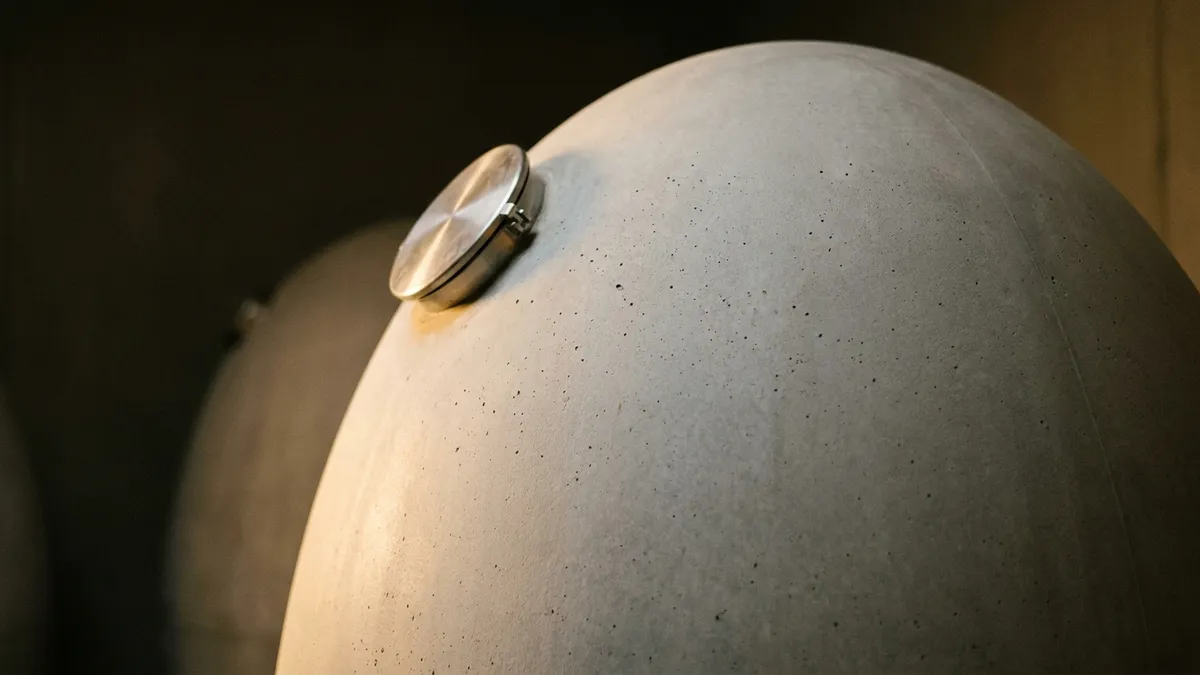
Concrete follows the same logic. Its thick walls are slightly porous and insulate the wine from outside temperature swings. Many makers coat the inside, and wall thickness varies, so no single figure describes how much air every concrete tank lets through.
The effect in the glass is gentle. A small, steady oxygen supply softens a young wine and keeps it from turning reduced (a struck-match smell from too little air), which can happen in sealed steel. Too much air would flatten the fruit, so clay and concrete aim for the slow middle. The wider trade-off is mapped in oxidative vs reductive winemaking.
What Is a Concrete Egg, and Why the Egg Shape?
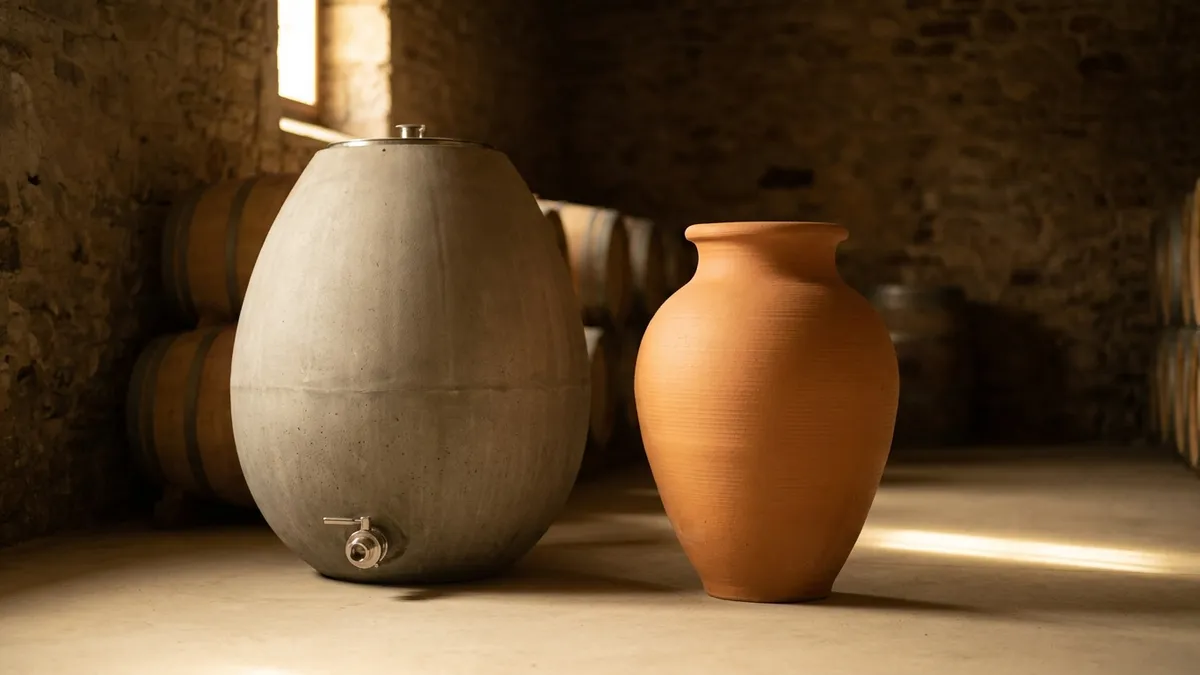
A concrete egg is a fermenting tank cast in an egg shape, usually about person-high, with no corners for wine or yeast to settle in. The shape is an old idea in new material: UNESCO describes the Georgian qvevri as egg-shaped too.
Makers give two reasons for the curve. First, a rounded tank lets the warmth of fermentation drive a gentle rolling current. Second, that current is said to keep the lees (spent yeast that gives bread and biscuit smells) floating through the wine instead of packed at the bottom. Lees contact adds weight and a creamy feel.
Treat the current as unproven. It is widely repeated by makers, yet a 2019 computer-modelling study predicted better mixing in an ordinary jacketed cylindrical tank than in a concrete egg. The parts that are certain are simpler: the egg has no flat walls, no corners, and no wood.
Concrete tanks in square and cylinder shapes are older than the egg, and they share its lack of wood flavour.
Do These Vessels Change How a Wine Tastes?
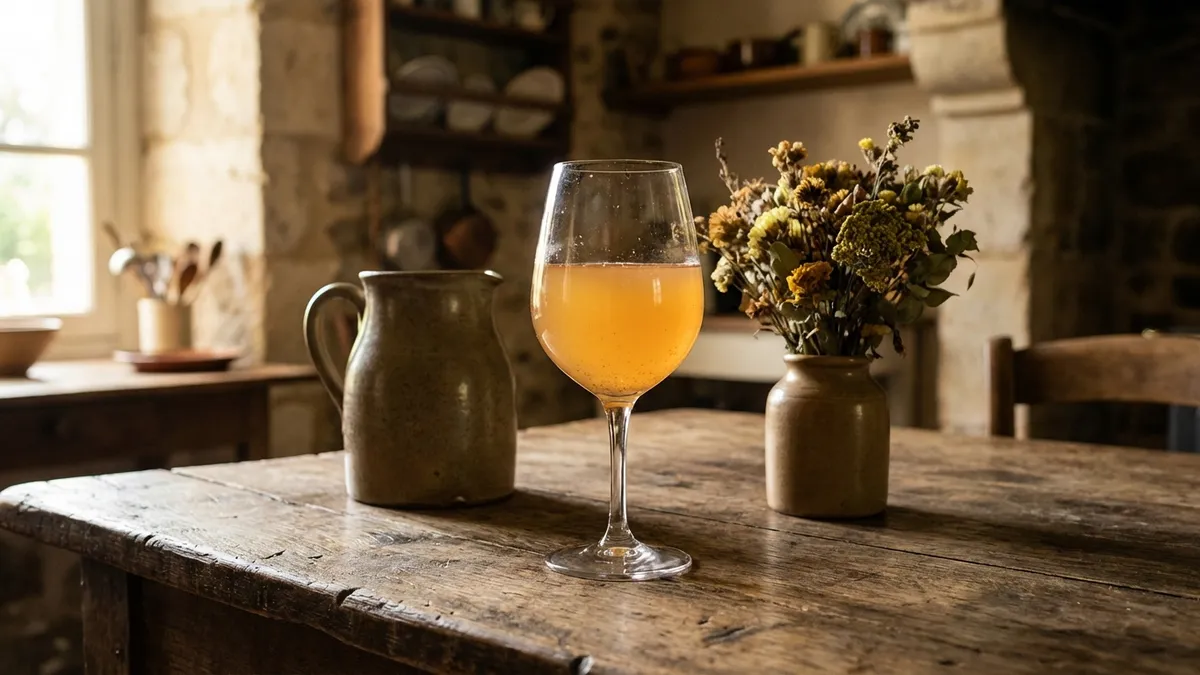
Yes, mostly through texture and through what is missing. A white fermented in clay or concrete often feels broader and rounder in the mouth than the same grape made in steel. It lacks the vanilla and coconut you would taste after new oak.
Body means weight in the mouth, like skimmed versus whole milk. Slow oxygen and lees contact tend to nudge body up a step. Aroma changes less, because clay and concrete add no aroma compounds of their own. For more on how weight and feel are judged, see wine mouthfeel explained.
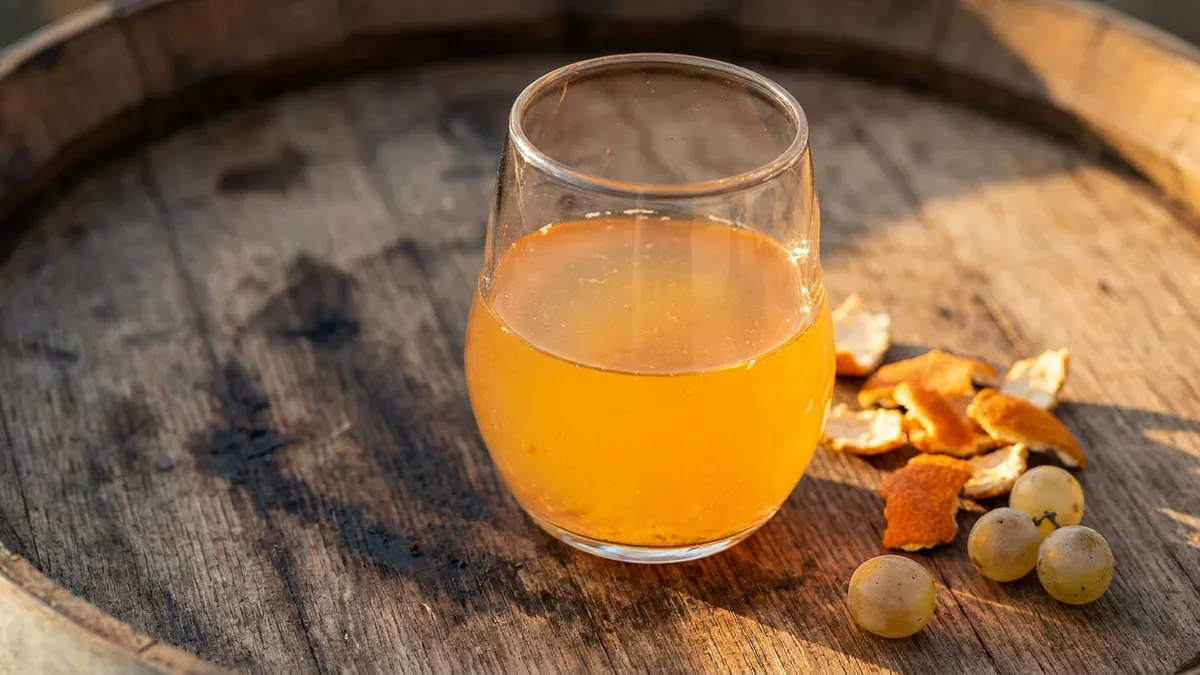
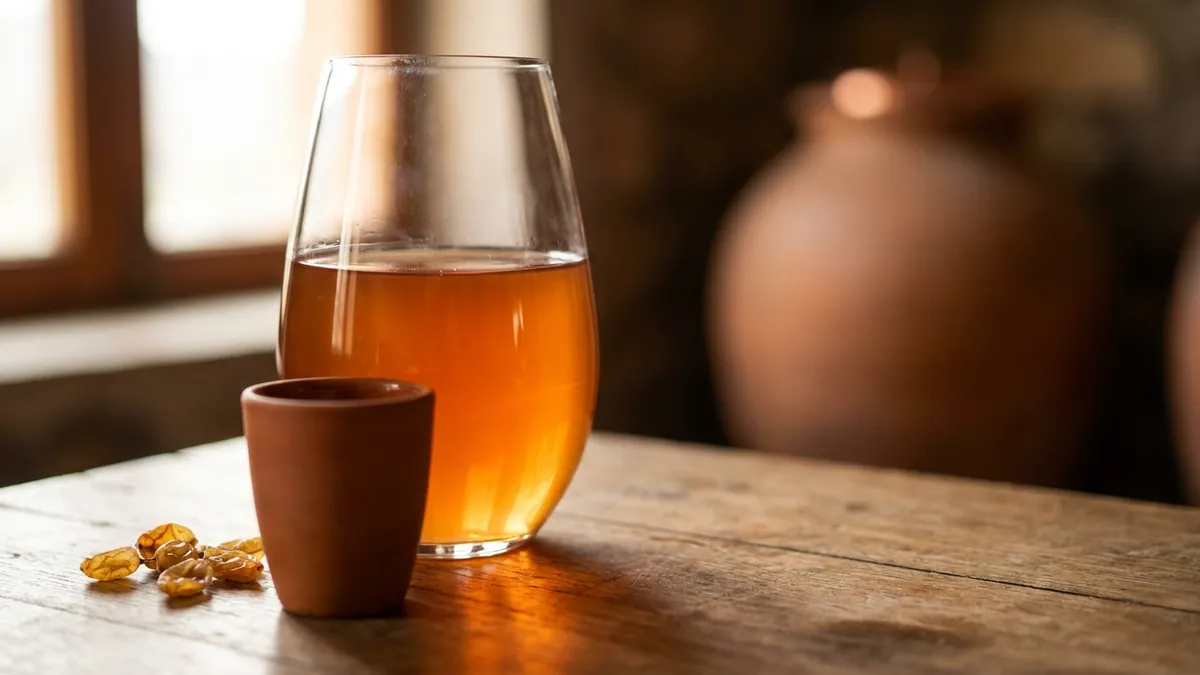
The bigger flavour change usually comes from skin contact, which means leaving grape skins in the juice. White grapes treated this way turn amber and pick up tannin (the drying grip on your gums). Orange wine is defined by skin contact, not by the vessel: it can be made in steel, and plenty is. The confusion is understandable, because the practice grew up in Georgian qvevri over thousands of years. Our guide to orange wine covers the style from the grape up.
Georgian tradition shows how far skin contact goes. The Kakhetian method keeps skins, seeds and stems with the wine for about six months, giving deep amber wine with firm grip. The Imeretian method uses fewer skins for 15 to 30 days, and the wine is paler and lighter.
How Do You Spot an Amphora or Concrete-Egg Wine When Buying?
Read the back label for the vessel word: amphora, anfora (Italian), qvevri or kvevri for clay, and concrete, cement or egg for concrete. Front labels rarely say it, because the vessel is a production detail rather than a legal category. Our guide to how to read a wine label shows where these details usually sit.
Two more clues help. Georgian bottles often name the method directly, and many carry the word qvevri even on the front. Skin-contact wines may also say amber, orange or skin-fermented.
If the label names clay and long skin contact, expect amber colour, tannin and dried-apricot smells. If it names clay or concrete but the wine is pale, expect a clean, rounder white whose vessel shaped only its texture. If no vessel is named and the wine smells of vanilla, oak was involved.
Many of these wines come from low-intervention producers, so the shelf next to them is often the natural section. The overlap is explained in natural wine explained. When a bottle is open, the Sommy app's tasting mode takes a photo of the label and walks through look, smell and taste, so the vessel clue ends up in the notes.
Which Styles Suit Clay and Concrete, and How Do You Serve Them?
Skin-contact whites and light-to-medium reds made for freshness suit clay and concrete best. Those wines gain texture from slow air and would lose their clarity under new oak. Big reds meant for long ageing still lean on barrels for their structure.
The wine's style decides how to serve it. If it is an amber, tannic white, serve it cool like a light red and pour it with food that has fat or salt, such as roast chicken, aged cheese or grilled mushrooms. The fat softens the grip. If it is a pale concrete-fermented white, serve it fridge-cold like any crisp white, with fish or salads that have a squeeze of lemon.
A clay-aged red is usually lighter than an oaked one of the same grape. Serve it slightly cool so the fruit stays lively. For more on reading grip in reds and ambers alike, see what are tannins.
What Is a Qvevri, and How Is It Different From an Amphora?
A qvevri is Georgia's egg-shaped clay vessel, buried in the ground for fermenting and ageing, while a classic amphora was a portable jar built for shipping. Modern labels often use "amphora" for both, but they are two traditions with different jobs.
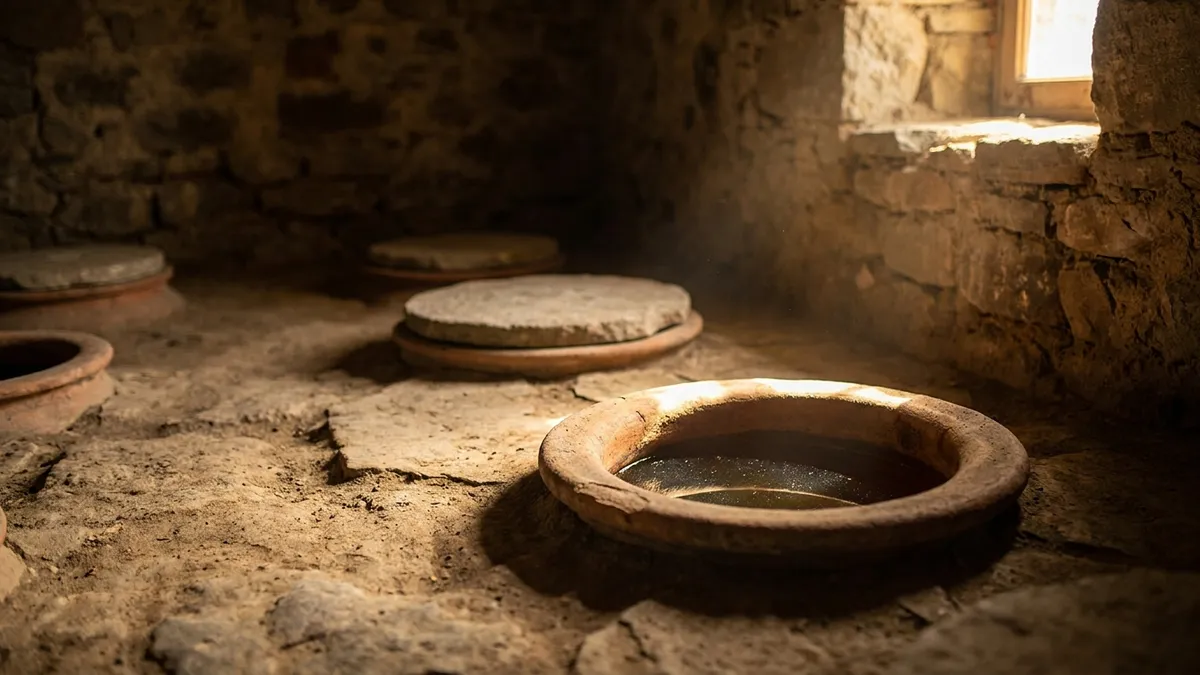
A qvevri is buried so completely that even its neck sits below ground level. UNESCO describes it being sealed so the wine ferments for five to six months before drinking. Underground, the temperature holds around 14 to 15°C, which keeps fermentation slow and steady without any machinery. Archaeological qvevri fragments date to the 6th millennium BC, and UNESCO added the method to its Intangible Cultural Heritage list in 2013. The Georgian wine guide covers the grapes and regions behind it.
The Mediterranean amphora was wheel-thrown terracotta with a resin-lined interior, sized for trade. A standard measure was about 39 litres, and the Roman quadrantal was 26.2 litres, one cubic Roman foot. Amphorae were made on an industrial scale until about the 7th century AD, after which wooden casks and skins seem to have replaced them. So when a modern label says amphora, it borrows the name of a shipping jar for what is really a fermenting vessel.
Why Did Winemakers Go Back to Clay and Concrete?
Partly because oak got expensive and loud, and a buried Georgian tradition came back into view after 1991. In 2007 a new American oak barrel cost about $600 to $800 and a French one $1,200 or more. That is a steep price for a vessel that turns neutral within a few vintages.
The Georgian revival mattered as much. Soviet-era industrial wineries, from 1921 to 1991, dropped qvevri and skin-contact methods in favour of European-style whites. After independence in 1991 the tradition returned. In 2004 the British importer David A. Harvey coined the term "orange wine", which gave shops a word to sell the style by. Some winemakers in Europe and America now make their wine in kvevri. For the broader family of styles these vessels feed into, see the wine styles hub.
How Can You Taste the Difference Tonight?
Pour a steel-fermented white next to a clay- or concrete-fermented white of the same grape, and judge texture before aroma. Pick two bottles whose back labels name the vessel, so there is no guessing. Texture shows first because clay and concrete change feel more than smell.
If you want a guide while you learn, the Sommy app at sommy.wine has bite-sized courses, including Wine 101, that build the vocabulary for texture and tannin. Pour the two glasses side by side tonight and write down which one felt rounder.
Sources
Frequently Asked Questions
What is a concrete egg used for in winemaking?
A concrete egg is an egg-shaped tank used to ferment and age wine, often whites and lighter reds. Its porous walls let a little oxygen in without adding oak flavour, and its rounded shape has no corners where yeast and grape solids can settle. Winemakers choose it when they want texture and freshness with no vanilla or toast.
What is the difference between an amphora and a qvevri?
A qvevri is Georgia's egg-shaped clay vessel, lined with beeswax and buried up to its neck so wine can ferment and age underground for months. A classic Mediterranean amphora was a portable, resin-lined terracotta jar of around 39 litres built to ship wine. Modern winemakers often call any clay fermenter an amphora, but the Georgian qvevri is the buried, much larger tradition.
Does amphora wine taste different from oak-aged wine?
Yes. Oak adds flavour of its own, such as vanilla, toast and coconut, plus wood tannin. Clay adds almost no flavour, so an amphora wine tastes of the grape, its skins and a slightly softer, rounder texture from slow air contact. If you taste grip and dried apricot but no vanilla, the skins and the clay are speaking, not a barrel.
Is orange wine always made in amphora?
No. Orange wine is white wine made with its skins left in the juice for days, weeks or months, and it can be made in steel tanks, oak or concrete as well as clay. The style grew up in Georgian qvevri, which is why the two are linked, but the amber colour and tannin come from skin contact, not from the vessel.
How long is wine kept in a qvevri?
UNESCO describes qvevri wine being sealed and buried so it can ferment for five to six months before drinking. The Kakhetian method keeps skins, seeds and stems in the vessel for about six months, while the lighter Imeretian method uses fewer skins for 15 to 30 days. Some Georgian wine has been left sealed underground for decades.
Is concrete good or bad for wine?
Good, when it is clean and well made. Concrete adds no flavour, insulates the wine from outside temperature swings thanks to its thick walls, and lets a small amount of air through, which softens a young wine without making it taste of wood. How much air passes depends on the maker's wall thickness and any inner coating, so two concrete tanks can behave differently.
Sommy Team
LinkedInFounder & Wine Educator
The Sommy Team is building the world's most approachable wine education app, helping beginners develop real tasting skills through structured courses and AI-guided practice.