Argentine Wine Guide: From Mendoza Malbec to Patagonia
Sommy Team
Founder & Wine Educator
April 11, 2026
8 min read
TL;DR
Argentina is the fifth-largest wine producer in the world and the undisputed capital of Malbec, with over 44,000 hectares planted. Its vineyards climb to extreme altitudes along the Andes, from Mendoza's powerhouse sub-regions to Salta's 3,000-meter Torrontes vineyards and Patagonia's emerging cool-climate frontier. High altitude, dry air, and intense sunlight define the Argentine style.
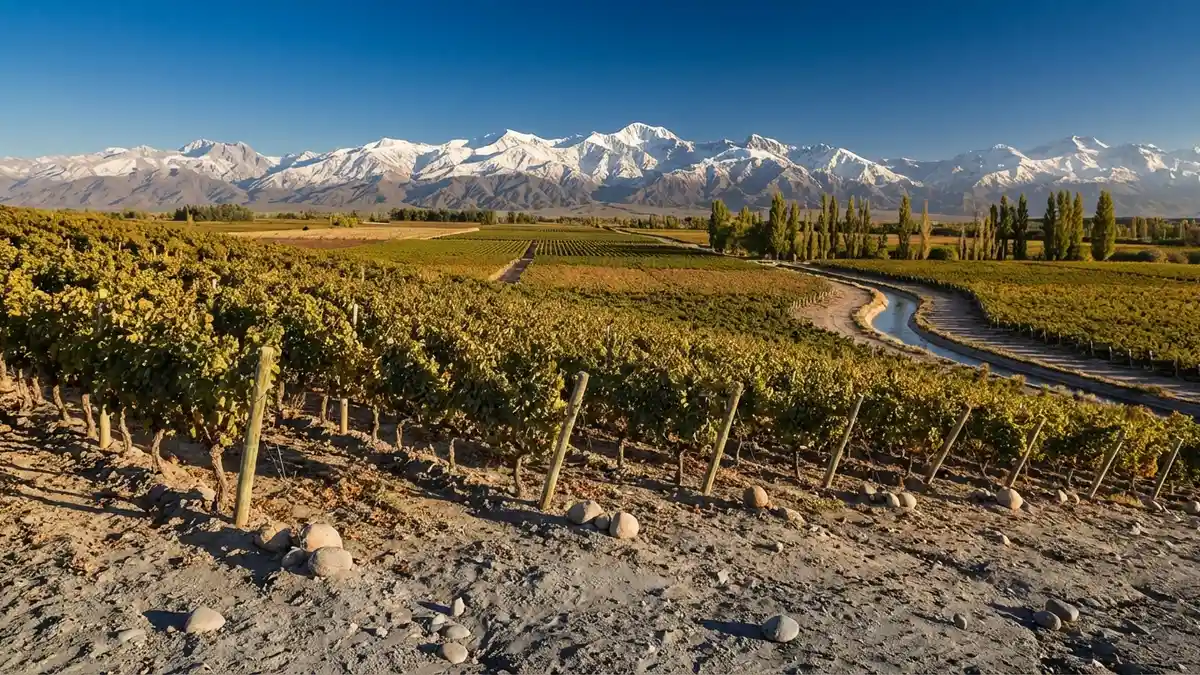
Argentina Wine Regions — An Overview
Argentina is the fifth-largest wine producer in the world and the country that turned Malbec from a forgotten French blending grape into a global phenomenon. With vineyards stretching from the subtropical north near the Bolivian border to the windswept plains of Patagonia in the south, argentina wine regions span an extraordinary range of climates, altitudes, and styles.
What unites them all is altitude. Argentine vineyards are among the highest in the world, planted at elevations from 800 meters to over 3,000 meters above sea level. The Andes Mountains dominate the western horizon, creating a rain shadow that keeps the eastern slopes bone dry — Mendoza receives just 225 mm of rainfall per year, making it essentially a desert. Irrigation comes from Andean snowmelt, channeled through a system of canals and acequias that dates back to pre-colonial times.
This combination of altitude, intense sunlight, dry air, and dramatic day-to-night temperature swings produces wines with deep color, concentrated fruit, and a freshness that keeps them vibrant despite their power.
Mendoza — The Heartland
Mendoza is where roughly 75% of Argentina's wine is produced. The region is synonymous with Malbec, but it also produces excellent Cabernet Sauvignon, Bonarda, Chardonnay, and other varieties.
Key Mendoza Sub-Regions
Lujan de Cuyo — Often called the birthplace of Argentine Malbec. Vineyards sit at 900–1,100 meters elevation with gravelly, alluvial soils. The wines are structured, age-worthy, and show dark fruit with spice and earthy complexity. This is where some of Argentina's most prestigious Malbecs originate.
Uco Valley — The most exciting and dynamic sub-region in Argentina today. Higher than Lujan de Cuyo (1,000–1,500+ meters), the Uco Valley produces Malbecs with more elegance, minerality, and bright acidity. Key areas within the valley include:
- Tupungato — The highest and coolest zone. Produces Malbec with floral aromatics, bright red fruit, and a mineral-driven finish.
- Tunuyan — Slightly warmer. Rich, complex wines with depth and structure.
- San Carlos — The southernmost Uco Valley zone. Good balance of power and freshness.
The Uco Valley's best wines increasingly rival top Napa and Bordeaux for complexity and aging potential, often at a fraction of the price.
Maipu — Lower in altitude and warmer, producing riper, more immediately approachable Malbec. Also home to many of Argentina's large-scale wineries and a center for wine tourism.
East Mendoza (San Martin, Rivadavia, Junin) — The warmest, flattest zone. Responsible for much of Argentina's everyday, value-oriented wine. Simple, fruity, and meant for casual drinking.
Salta — Where the Vineyards Touch the Sky
Salta, in northwestern Argentina, is home to some of the highest commercial vineyards on earth. The Cafayate Valley (Calchaqui Valleys) sits at 1,700–2,000 meters, and some experimental plantings climb above 3,000 meters.
What Grows in Salta
- Torrontes — Salta's signature grape. The high altitude and intense UV produce Torrontes with extraordinary aromatic intensity — rose petal, jasmine, peach, and citrus. The best examples are dry, crisp, and surprisingly complex. Torrontes is Argentina's most distinctive white grape, found almost nowhere else in the world.
- Malbec — Salta Malbec is different from Mendoza Malbec. The extreme altitude produces wines with deeper color, firmer tannins, more structured acidity, and a distinctive mineral, almost stony quality. These are serious, age-worthy wines.
- Cabernet Sauvignon and Tannat — Smaller plantings that benefit from the intense sunlight and cool nights.
Sommelier tip: If you have only tried Mendoza Malbec, a Salta Malbec will surprise you. The higher altitude shifts the style from plush and fruit-forward to tighter, more angular, and more mineral — almost like a different grape.
San Juan
Argentina's second-largest wine region by volume, located north of Mendoza. San Juan is warmer and lower than Mendoza, producing riper, fruit-forward wines. It is a major source of Syrah/Shiraz (its best variety), along with Bonarda and everyday Malbec. The Pedernal Valley at higher elevations is producing increasingly interesting wines.
Patagonia — The Cool-Climate Frontier
At the southern end of Argentina's wine map, Patagonia represents the country's cool-climate future. The two key regions are:
- Rio Negro — Argentina's most established Patagonian wine zone. Cooler temperatures and a long growing season produce Pinot Noir with bright acidity, red cherry fruit, and an elegance that would be impossible in Mendoza's heat. Also excellent for Chardonnay, Merlot, and sparkling wine.
- Neuquen — Slightly warmer than Rio Negro, producing fuller-bodied reds alongside crisp whites.
Patagonia is still emerging, but its wines offer something genuinely different from the rest of Argentina — lighter, brighter, and more Burgundian in spirit.
Argentina's Key Grapes
Red Grapes
- Malbec — The undisputed king. Over 44,000 hectares planted, 75% of world supply. Dark fruit, soft tannins, violet aromatics. See the full Malbec wine guide.
- Bonarda — Argentina's second most planted red, producing juicy, medium-bodied wines with bright cherry and plum. Excellent value.
- Cabernet Sauvignon — Thrives at altitude, producing structured, concentrated wines often blended with Malbec.
- Syrah/Shiraz — Best from San Juan and warmer Mendoza sites. Peppery, dark-fruited, full-bodied. See the Syrah vs Shiraz guide.
White Grapes
- Torrontes — Argentina's signature white. Floral, aromatic, dry. Best from Salta.
- Chardonnay — Increasingly impressive from the Uco Valley and Patagonia. Can range from crisp and mineral to rich and oak-aged.
- Sauvignon Blanc — Small plantings in cooler areas, producing fresh, grassy whites.
How to Pair Argentine Wine with Food
Argentine wine culture revolves around the asado — the national ritual of grilling meat over wood or charcoal. The wines are built for it.
Malbec Pairings
- Asado — Grilled beef ribs, short ribs, flank steak. The definitive match.
- Empanadas — Beef empanadas with chimichurri are a classic starter alongside Malbec.
- Chorizo — Smoky, spiced sausage fresh off the grill.
- Hard cheeses — Provoleta (grilled provolone) is an Argentine classic with Malbec.
- Spicy food — Malbec's fruit and soft tannins handle moderate spice well.
Torrontes Pairings
- Ceviche — The wine's acidity and floral notes complement raw fish beautifully.
- Empanadas — Lighter fillings like chicken, corn, or cheese.
- Spicy Asian cuisine — Thai, Vietnamese, mild Sichuan. The aromatic intensity matches the food.
- Fresh salads — Green salads with citrus vinaigrette.
For more pairing ideas, see the wine and food pairing guide.
Argentine Wine — Value and Price
Argentina offers some of the best value in the wine world. Lower land and labor costs compared to Napa Valley or Bordeaux mean that quality far outpaces price at almost every level:
- Under $10 — Solid, everyday Malbec from East Mendoza. Simple but satisfying.
- $10–$20 — Excellent Malbec from Lujan de Cuyo and the Uco Valley. Real complexity at a remarkable price.
- $20–$40 — Single-vineyard and high-altitude selections that deliver genuine depth.
- $40–$80 — Top-tier Malbec competing with the world's best at a fraction of Napa or Bordeaux prices.
- $80+ — Icon wines from the Uco Valley and Lujan de Cuyo. Allocation-worthy quality.
The Altitude Advantage — Why It Matters
Altitude is the single most important concept for understanding Argentine wine. Here is what happens as vineyards climb:
- More UV radiation — At 1,500 meters, UV intensity is roughly 40% higher than at sea level. Grapes respond by developing thicker skins, which means deeper color, more tannins, and more concentrated polyphenols. This is why high-altitude Malbec from the Uco Valley is so deeply pigmented.
- Greater diurnal temperature variation — Days can reach 35°C while nights drop to 10°C. The warm days allow sugar and flavor to accumulate; the cool nights preserve bright acidity. This day-night swing is what gives Argentine wines their combination of ripe fruit and freshness.
- Lower disease pressure — Dry air and intense sunlight mean less mold and rot, allowing longer hang time on the vine. Many Argentine vineyards are farmed with minimal intervention because the climate itself keeps the grapes healthy.
- Smaller berries — Stressed vines at altitude produce smaller berries with a higher skin-to-juice ratio, concentrating flavor and color.
The practical result is wines with an intensity and vibrancy that would be difficult to achieve at lower elevations. When you taste a high-altitude Uco Valley Malbec next to one from the warmer valley floor, the difference in color depth, acidity, and aromatic complexity is immediately apparent.
Argentine Wine vs Other New World Regions
| Feature | Argentina (Mendoza) | Napa Valley | Australia (Barossa) | |---|---|---|---| | Elevation | 800–1,500m | 0–800m | 200–500m | | Flagship grape | Malbec | Cabernet Sauvignon | Shiraz | | Climate | High-desert, dry | Mediterranean, warm | Mediterranean, warm | | Key advantage | Altitude + UV | Diverse AVAs | Old vines | | Price range | $10–$80 (core) | $25–$250+ (core) | $15–$100 (core) | | White specialty | Torrontes | Chardonnay | Riesling |
Argentina's combination of altitude, value, and distinctive grapes (Malbec, Torrontes, Bonarda) gives it a unique position in the wine world — producing wines with New World generosity and an increasingly Old World sense of place.
Building Your Argentine Wine Tasting Skills
Argentina is a perfect region for learning about how altitude affects wine. Try tasting a Malbec from East Mendoza (lower altitude, warmer) alongside one from the Uco Valley (higher altitude, cooler). The difference in color, acidity, mouthfeel, and aroma complexity is striking — and it teaches you more about terroir than any textbook can.
For white wine, compare a Salta Torrontes with a Mendoza Chardonnay — the aromatic intensity difference illustrates how grape variety and climate interact.
The Sommy app includes guided tasting exercises that help you identify these kinds of regional differences, building your tasting vocabulary one comparison at a time. Argentina's wines are bold, expressive, and easy to practice with — making them an ideal starting point for anyone developing their palate.
Frequently Asked Questions
What is Argentina best known for in wine?
Argentina is best known for Malbec, which has become the country's national grape. Argentina grows roughly 75 percent of the world's Malbec, primarily in the Mendoza region. The country is also known for Torrontes, a distinctive aromatic white grape found almost exclusively in Argentina.
Why are Argentine vineyards so high?
Argentine vineyards are planted at high altitudes — 800 to over 3,000 meters — because the Andes Mountains create a rain shadow that makes the lowlands too dry and the mountains provide irrigation via snowmelt. Higher altitude means more intense UV light, cooler nights, and bigger temperature swings, which produce grapes with thicker skins, deeper color, and more concentrated flavors.
What is the difference between Mendoza and Salta wines?
Mendoza is warmer and produces the bulk of Argentina's wine, especially rich, fruit-forward Malbec. Salta is higher in altitude and further north, producing more intense, structured Malbec and Argentina's best Torrontes — a floral, aromatic white wine. Salta wines tend to have more minerality and firmer tannins due to extreme elevation.
What does Argentine Malbec taste like?
Argentine Malbec tastes of ripe blackberry, plum, black cherry, and violet, with notes of vanilla, chocolate, and sweet spice from oak aging. It has soft tannins, moderate acidity, and a plush, generous mouthfeel. The style is more fruit-forward and approachable than French Malbec from Cahors.
What is Torrontes wine?
Torrontes is Argentina's signature white grape, producing aromatic wines with intense floral and citrus notes — rose petal, jasmine, peach, and lemon zest. It is light to medium bodied, dry, and best served very cold. The finest examples come from Salta's high-altitude Cafayate Valley.
Is Patagonia good for wine?
Yes, Patagonia is an exciting emerging wine region in southern Argentina. Its cool climate and long growing season are ideal for Pinot Noir, Chardonnay, and aromatic whites. The wines tend to be lighter, brighter, and more elegant than the powerful reds from Mendoza.
What food pairs well with Argentine wine?
Argentine Malbec is the classic partner for asado (Argentine barbecue), grilled steak, empanadas, and chorizo. Torrontes pairs well with ceviche, empanadas with lighter fillings, spicy Asian food, and fresh salads. The wine and food culture in Argentina revolves around the grill.
How does Argentine Malbec compare to French Malbec?
Argentine Malbec is generally more fruit-forward, softer, and more approachable, with ripe plum and violet notes. French Malbec from Cahors is more tannic, earthy, and structured, with dark cherry, leather, and dried herb flavors. The difference comes from climate, altitude, and winemaking tradition.
Get the free Wine 101 course
Start learning to taste wine like a pro with structured lessons and AI-guided practice.
Sommy Team
LinkedInFounder & Wine Educator
The Sommy Team is building the world's most approachable wine education app, helping beginners develop real tasting skills through structured courses and AI-guided practice.
Keep Reading
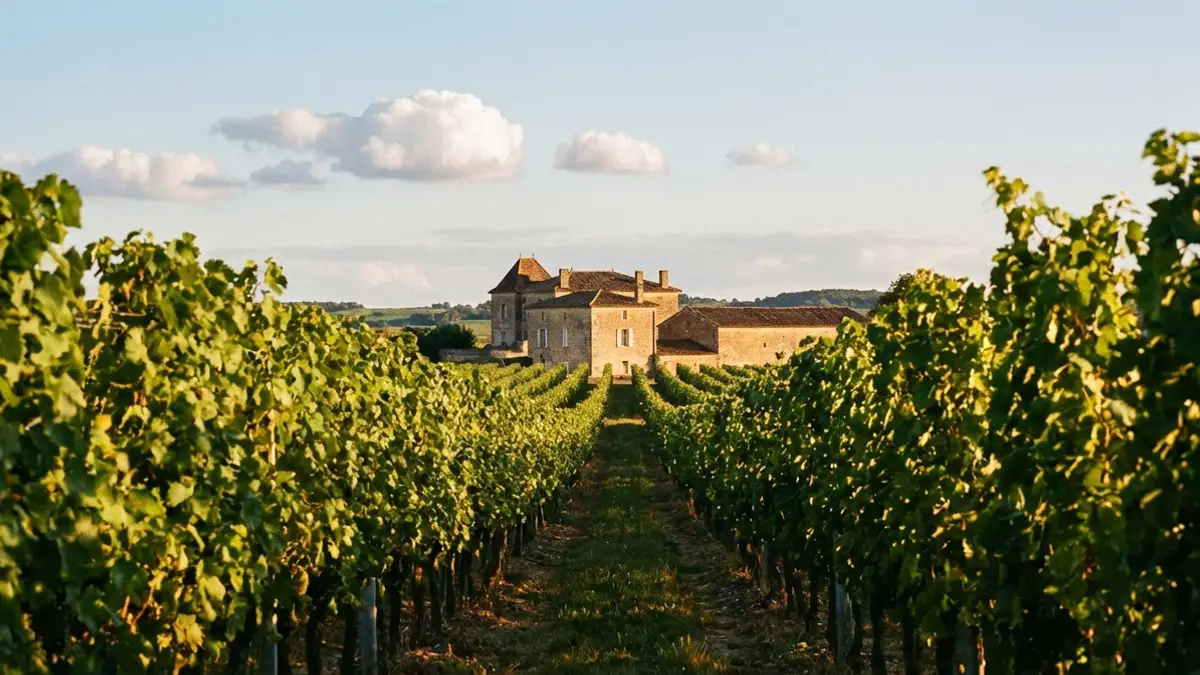
French Wine Regions: A Complete Guide
Explore the major French wine regions from Bordeaux to Provence. Understand the AOC system, signature grapes, and what makes each region unique.
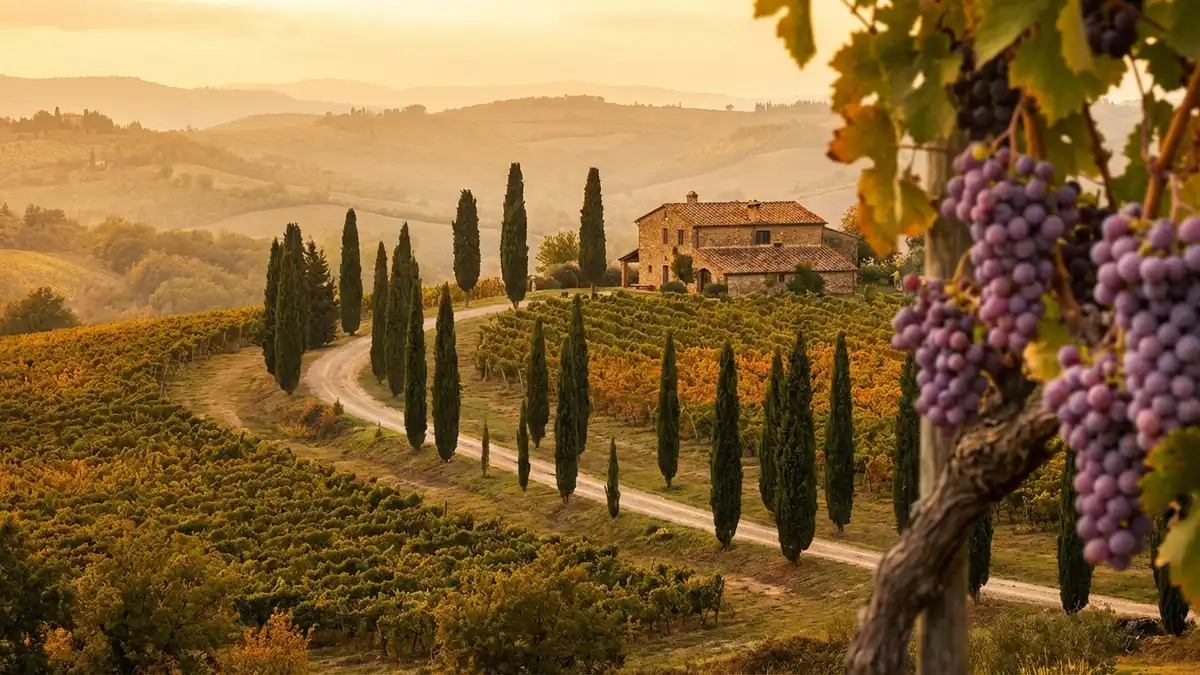
Italian Wine: From Chianti to Barolo
Discover Italian wine from north to south. Learn the key regions, native grapes, classification system, and why Italian wine and food are inseparable.
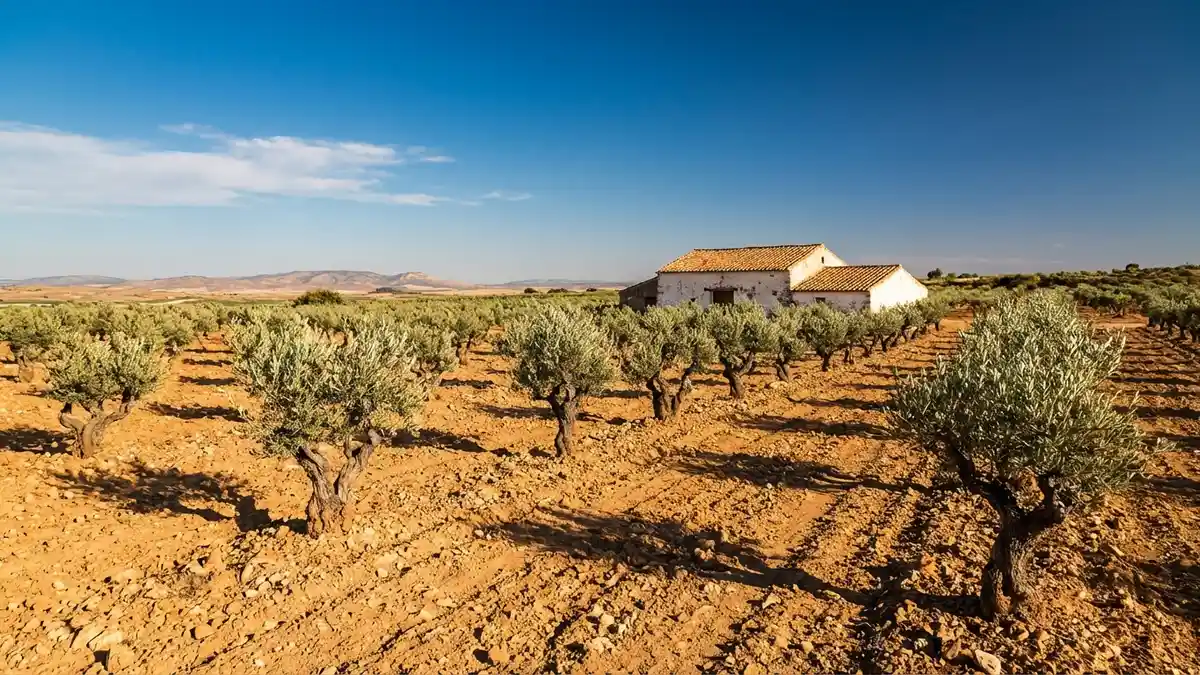
Spanish Wine Regions: From Rioja to Sherry
Explore Spain's major wine regions, from the legendary Rioja to the unique world of Sherry. Learn the DO system, key grapes, and aging classifications.