Napa Valley Wine Guide: Regions, Grapes, and What to Try
Sommy Team
Founder & Wine Educator
April 11, 2026
8 min read
TL;DR
Napa Valley packs 16 distinct AVAs into a 30-mile stretch of Northern California, producing some of the world's finest Cabernet Sauvignon alongside excellent Chardonnay and Merlot. Despite being smaller than Bordeaux, its 475 wineries and 46,700 vineyard acres generate wines that compete with the best on earth — driven by diverse microclimates and mountain-to-valley terroir.
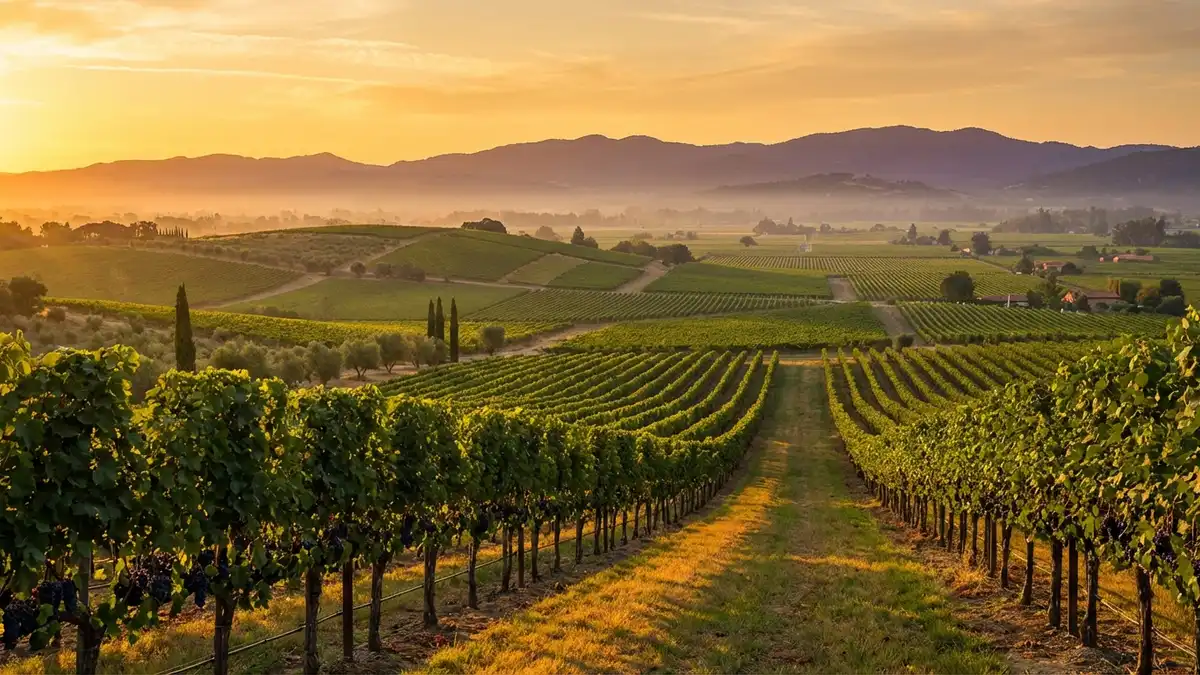
What Makes Napa Valley Special
Napa Valley is a 30-mile stretch of Northern California that has become one of the most famous wine regions on the planet. Despite being smaller than Bordeaux — just 46,700 vineyard acres compared to Bordeaux's 280,000+ — Napa produces wines that regularly compete with the best in the world.
The napa valley wine guide starts with geography. The valley runs roughly north to south, flanked by the Mayacamas Mountains to the west and the Vaca Mountains to the east. Cool fog and marine air from San Pablo Bay push northward each morning, moderating temperatures in the southern end of the valley. The northern end — around Calistoga — is warmer and drier. This gradient, combined with elevations ranging from the valley floor to over 2,600 feet on mountain slopes, creates a patchwork of microclimates packed into a remarkably compact area.
The result is 16 officially designated AVAs (American Viticultural Areas) — each with its own soil profile, temperature range, and personality. More than 475 wineries call Napa home, producing over 1,000 wine brands. About 95% are family-owned, and over 70% make fewer than 10,000 cases per year.
Napa Valley's Key Grapes
Over 34 grape varieties grow in Napa Valley, but a handful dominate.
Cabernet Sauvignon — The King of Napa
Cabernet Sauvignon is Napa's flagship grape by a wide margin. The warm days and cool nights are ideal for producing Cabernet with ripe, concentrated dark fruit — blackcurrant, black cherry, plum — balanced by structured tannins and good acidity.
Napa Cabernet tends to be fuller-bodied and more fruit-forward than its French counterparts from Bordeaux, with prominent oak influence (vanilla, cedar, chocolate) from aging in new French oak barrels. The best examples can age for 20–30 years.
Chardonnay
Napa's second most planted white grape produces a range of styles, from lean and mineral in cooler areas like Los Carneros to rich, buttery, and oak-laden in warmer sites. Napa Chardonnay often shows ripe apple, pear, tropical fruit, and toasty oak notes. Understanding the difference between oaked and unoaked Chardonnay is a useful exercise — see the Chardonnay vs Sauvignon Blanc comparison for more.
Merlot
Despite the infamous "anything but Merlot" backlash from the mid-2000s, Napa produces excellent Merlot — softer, rounder, and more approachable than Cabernet, with plum, cherry, and herbal notes. Merlot thrives particularly well in cooler sites and is a key blending partner in many Napa Bordeaux-style blends.
Sauvignon Blanc
Often called Fume Blanc in Napa (a term coined locally in the 1960s), Napa Sauvignon Blanc ranges from crisp and grassy to rounder and oak-influenced. It is a refreshing counterpoint to the region's powerful reds.
Other Varieties
Napa also grows notable quantities of Pinot Noir (especially in cooler Los Carneros), Zinfandel (with old vine plantings in several areas), Cabernet Franc, Petit Verdot, and Malbec — the latter three primarily used in Bordeaux-style blends.
Key Napa Valley AVAs
The 16 nested AVAs within Napa Valley can be grouped by location: valley floor, mountain, and transitional.
Valley Floor AVAs
These sit on the flat valley floor at lower elevations, benefiting from deep alluvial soils and the moderating fog from San Pablo Bay.
Oakville — One of Napa's most prestigious addresses. Deep, well-drained gravel soils produce Cabernet Sauvignon with remarkable concentration, fine-grained tannins, and exceptional aging potential. Many of Napa's most famous wines come from Oakville benchland vineyards.
Rutherford — Adjacent to Oakville and equally renowned. The term "Rutherford dust" describes a distinctive earthy, mineral quality found in the AVA's best Cabernets — a dusty, cocoa-like nuance in the tannin structure.
Stags Leap District — On the eastern side of the valley, this AVA is famous for producing Cabernets with a more elegant, supple character than the blockbusters of Oakville — softer tannins, red fruit alongside black, and a silky texture.
Yountville — Cooler than its neighbors to the north, producing Cabernets with bright acidity and aromatic complexity. Also known for excellent Chardonnay.
St. Helena — Warm and sheltered, producing powerful, ripe Cabernets with full body and generous fruit. Some of Napa's oldest vineyards are here.
Calistoga — The northernmost and warmest valley-floor AVA. Bold, fruit-forward Cabernet and some excellent Petite Sirah and Zinfandel.
Oak Knoll District — Cooler, fog-influenced. Produces more restrained Cabernets and excellent Chardonnay and Merlot.
Los Carneros — The coolest Napa AVA, straddling the Napa-Sonoma border. Cool winds from San Pablo Bay make it ideal for Pinot Noir, Chardonnay, and sparkling wine. The style is lighter and more Burgundian than the rest of Napa.
Coombsville — Southeast of the city of Napa. Volcanic soils and cool temperatures produce Cabernets with bright acidity and mineral complexity. One of Napa's newer and more exciting AVAs.
Mountain AVAs
Mountain vineyards sit above the fog line at 400–2,600 feet, receiving more direct sunlight but cooler nighttime temperatures. The thin, rocky soils stress the vines, producing lower yields with smaller, more concentrated berries.
Howell Mountain — The first sub-AVA designated in Napa (1983). Volcanic soils and elevation produce powerful, tannic Cabernets and Merlots with dark fruit, mineral, and a distinctive dusty character. These wines demand patience — they often need 10+ years to soften.
Diamond Mountain District — On the western Mayacamas range. Iron-rich volcanic soils produce dark, structured Cabernets with graphite, mineral, and blackberry notes.
Spring Mountain District — Western slopes of the Mayacamas. Cooler than Howell Mountain, producing Cabernets with more elegance and floral lift alongside their structure. Some excellent Sauvignon Blanc as well.
Mt. Veeder — The highest elevation AVA in Napa. Thin soils and extreme slopes produce tiny yields of intensely concentrated wine with firm tannins and remarkable longevity.
Atlas Peak — Eastern volcanic highlands. Warm days, very cool nights. Produces Cabernet with bright acidity and a slightly leaner, more angular profile.
Understanding Napa Wine Labels
Napa Valley labels follow American labeling rules, which differ from European conventions:
- Varietal labeling — If the label says "Cabernet Sauvignon," at least 75% of the wine must be that grape (85% for Oregon).
- AVA designation — "Napa Valley" means 85%+ of grapes from within the Napa Valley AVA. A sub-AVA like "Oakville" is more specific.
- Meritage — A trademarked term for Bordeaux-style blends (Cabernet Sauvignon, Merlot, Cabernet Franc, Petit Verdot, Malbec). Used when no single grape reaches 75%.
- Reserve — Unlike Spain or Italy, "Reserve" has no legal definition in the US. It can mean anything the producer wants.
- Estate Bottled — The winery grew, produced, and bottled the wine on its own property within the stated AVA. A meaningful quality signal.
How to Pair Napa Valley Wines with Food
Napa Cabernet Sauvignon
Napa Cab's bold tannins and dark fruit need equally bold food:
- Grilled steak — The classic match. Ribeye, New York strip, or a thick porterhouse.
- Rack of lamb — Herb-crusted with rosemary and garlic.
- Braised short ribs — Rich, slow-cooked meat mirrors the wine's depth.
- Aged hard cheeses — Sharp cheddar, aged Gouda, Gruyere.
- Dark chocolate — 70%+ cacao for an after-dinner pairing.
Napa Chardonnay
- Roast chicken — Especially with butter or cream sauce.
- Lobster or crab — Rich shellfish matches rich Chardonnay.
- Creamy pasta — Fettuccine Alfredo, carbonara.
- Soft cheeses — Brie, Camembert, triple-cream.
Napa Pinot Noir (Los Carneros)
- Duck — Roasted or confit.
- Salmon — Grilled or pan-seared.
- Mushroom dishes — Risotto, tarts, sauteed.
For more pairing principles, see the wine and food pairing guide.
Napa Valley Wine — Value and Price
Napa Valley has a reputation for high prices, and the top wines justify that reputation with quality. But the valley produces wines across a wide price spectrum:
- Under $25 — Limited options, but some Napa-labeled Sauvignon Blanc and rosé offer genuine value.
- $25–$50 — Good Napa Cabernet and Chardonnay from well-run operations. Meritage blends in this range often overdeliver.
- $50–$100 — The heart of serious Napa Cabernet. Sub-AVA designations (Rutherford, Stags Leap) start appearing. Real complexity and aging potential.
- $100–$250 — Premium single-vineyard and small-production wines. Mountain AVA Cabernets, reserve-level bottlings.
- $250+ — Cult and iconic wines. Allocation lists, waiting lists, auction prices. Quality is generally outstanding, but you are also paying for scarcity and prestige.
Building Your Napa Tasting Skills
Napa Valley is an excellent region for learning about how terroir shapes wine. Try tasting a valley-floor Cabernet (Oakville or Rutherford) alongside a mountain Cabernet (Howell Mountain or Diamond Mountain). The valley wine will typically be rounder, riper, and more immediately approachable. The mountain wine will be more tannic, darker, and more angular — with a mineral quality that reflects the rocky volcanic soils.
This kind of terroir comparison is one of the most effective ways to train your palate. The Sommy app includes guided tasting exercises that walk you through these comparisons, helping you identify differences in mouthfeel, aroma, and structure that reveal where a wine comes from.
Understanding Napa also deepens your appreciation for how the same grape — Cabernet Sauvignon — expresses differently across climates. Compare a Napa Cab with one from Bordeaux and the contrast is striking: Napa brings riper fruit and more oak, Bordeaux brings more austerity and terroir-driven minerality. Both are world-class — the difference is style, not quality.
Frequently Asked Questions
What is Napa Valley best known for?
Napa Valley is best known for Cabernet Sauvignon, which accounts for the majority of its red wine production and commands some of the highest prices in the wine world. The region also produces excellent Chardonnay, Merlot, Sauvignon Blanc, and smaller quantities of Pinot Noir, Zinfandel, and other varieties.
How many wineries are in Napa Valley?
Napa Valley has approximately 475 physical wineries producing over 1,000 different wine brands. About 95 percent of these wineries are family-owned, and more than 70 percent produce fewer than 10,000 cases per year. Despite its fame, Napa is a region dominated by small producers, not industrial-scale operations.
What are the best AVAs in Napa Valley?
The most celebrated AVAs include Oakville and Rutherford for classic valley-floor Cabernet Sauvignon, Stags Leap District for elegant structured reds, Howell Mountain and Diamond Mountain for powerful mountain wines, and Los Carneros for Pinot Noir and Chardonnay. Each AVA has its own character and style.
Why is Napa Valley wine so expensive?
Napa Valley land costs are among the highest in the wine world — vineyard land can exceed one million dollars per acre in top AVAs. Low yields, hand-harvesting, new French oak barrels, and small production runs add to the cost. The region's reputation and demand also support premium pricing.
What is the difference between Napa Valley and Sonoma?
Napa Valley is generally warmer, more focused on Cabernet Sauvignon, and commands higher prices. Sonoma is larger, more diverse in climate and grape varieties, and often offers better value. Both are in Northern California and produce world-class wine, but the styles and price points differ significantly.
What does AVA mean on a wine label?
AVA stands for American Viticultural Area — a legally defined grape-growing region in the United States. When a wine label says Napa Valley, at least 85 percent of the grapes must come from within the Napa Valley AVA boundaries. Sub-AVAs like Oakville or Stags Leap District indicate more specific origins.
What food pairs well with Napa Cabernet Sauvignon?
Napa Cabernet Sauvignon pairs well with grilled steak, rack of lamb, short ribs, aged cheddar, and dishes with rich sauces. Its bold tannins and dark fruit handle big, savory flavors well. For lighter Napa wines like Chardonnay, try roast chicken, lobster, or creamy pasta.
When is the best time to visit Napa Valley?
Harvest season from August through October is the most exciting time to visit — wineries are buzzing with activity and the vineyards are at peak color. Spring (March to May) is beautiful and less crowded. Summer is hot and busy. Winter is quiet, with barrel tastings and fewer tourists.
Get the free Wine 101 course
Start learning to taste wine like a pro with structured lessons and AI-guided practice.
Sommy Team
LinkedInFounder & Wine Educator
The Sommy Team is building the world's most approachable wine education app, helping beginners develop real tasting skills through structured courses and AI-guided practice.
Keep Reading
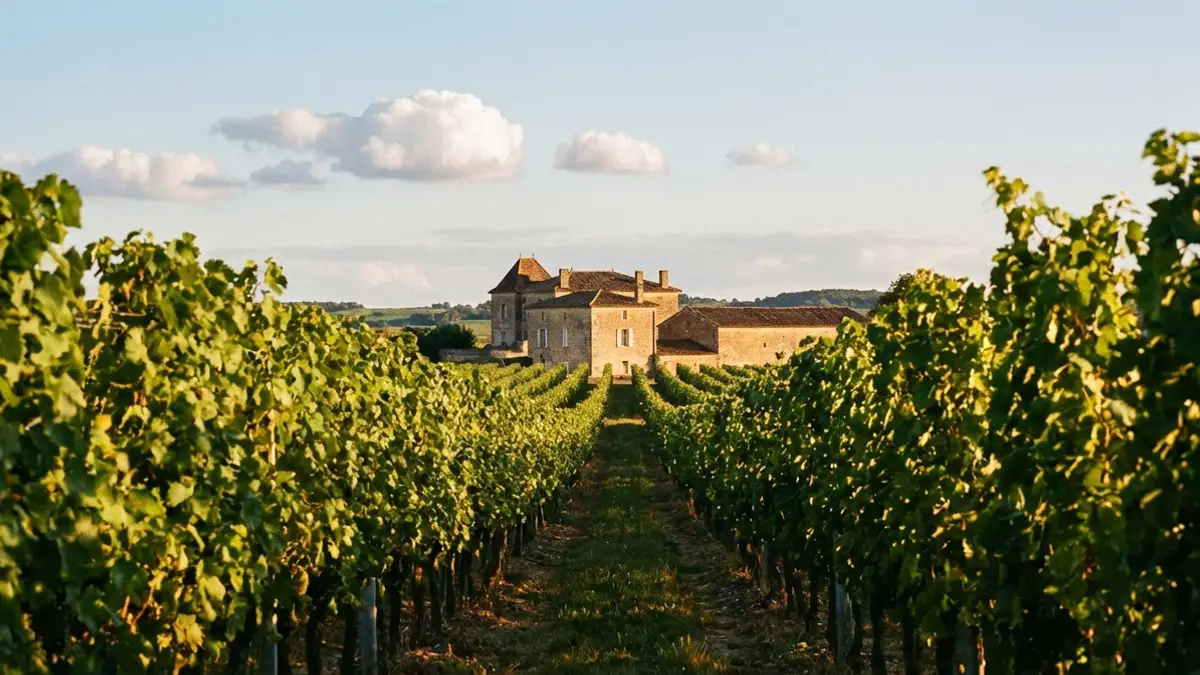
French Wine Regions: A Complete Guide
Explore the major French wine regions from Bordeaux to Provence. Understand the AOC system, signature grapes, and what makes each region unique.
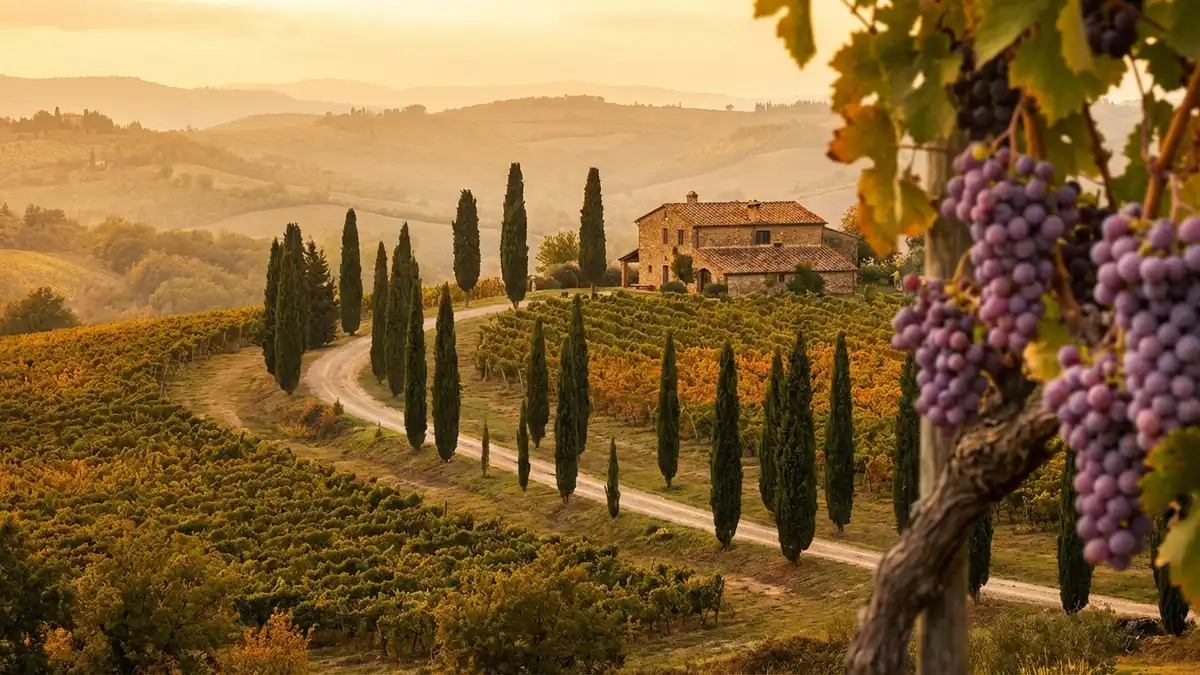
Italian Wine: From Chianti to Barolo
Discover Italian wine from north to south. Learn the key regions, native grapes, classification system, and why Italian wine and food are inseparable.
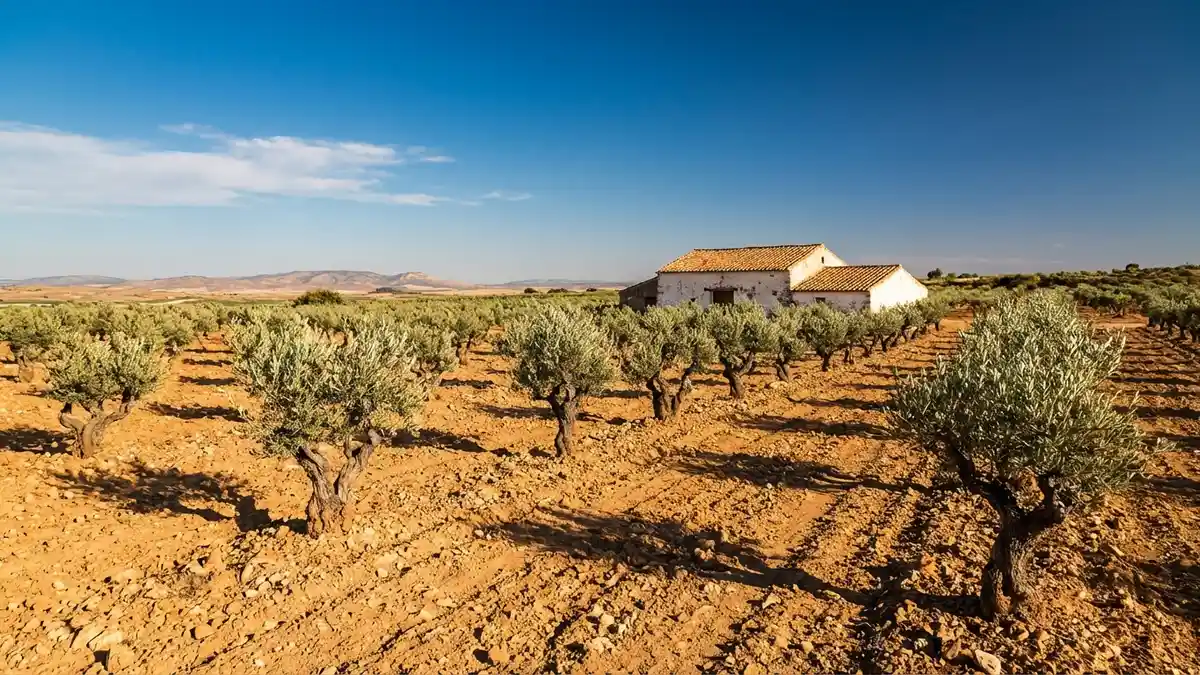
Spanish Wine Regions: From Rioja to Sherry
Explore Spain's major wine regions, from the legendary Rioja to the unique world of Sherry. Learn the DO system, key grapes, and aging classifications.