Zinfandel Wine Guide: From White Zin to Old Vine Reds
Sommy Team
Founder & Wine Educator
April 11, 2026
8 min read
TL;DR
Zinfandel is a bold, spicy red grape that California has claimed as its own heritage variety. It ranges from juicy, fruit-forward reds to concentrated old vine bottlings and even the blush-pink White Zinfandel. Genetically identical to Italy's Primitivo, it thrives in warm climates and pairs brilliantly with barbecue, spicy food, and bold cheeses.
What Is Zinfandel Wine?
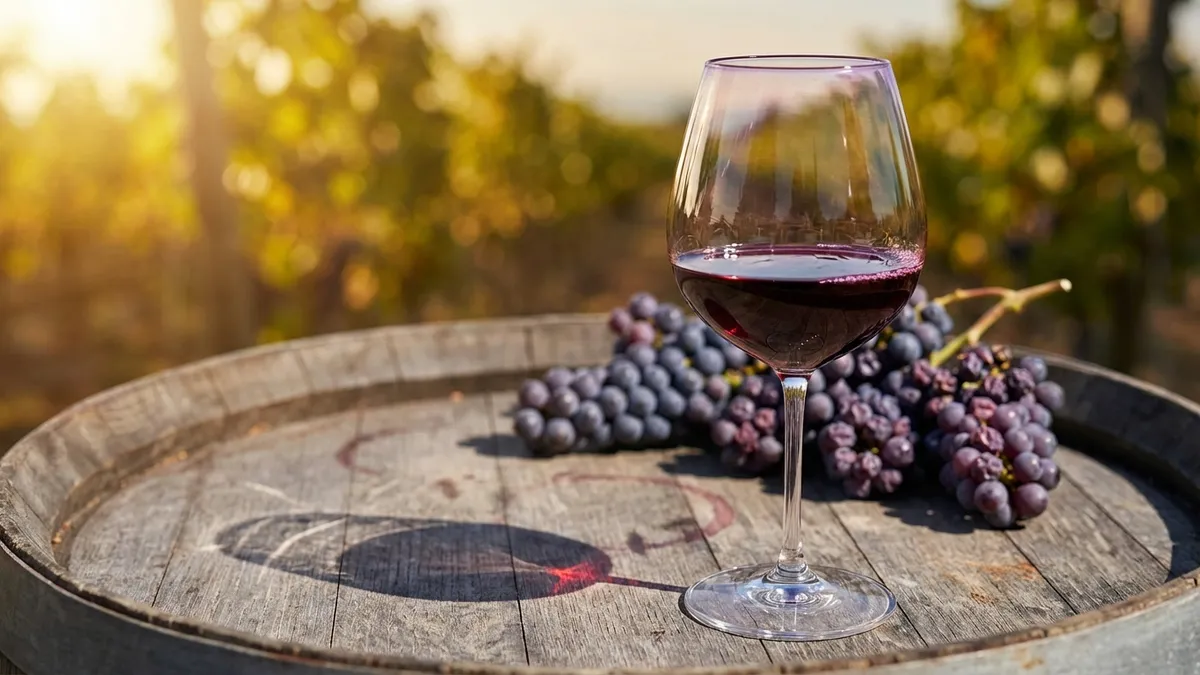
Zinfandel is a bold, full-bodied red grape that has become synonymous with California wine. It is the state's fourth most planted variety — behind Chardonnay, Cabernet Sauvignon, and Pinot Noir — and often called "America's heritage grape," even though its roots trace back to Croatia and Italy.
What makes zinfandel wine so interesting is its range. The same grape produces inky, high-alcohol reds packed with blackberry jam and pepper, delicate blush-pink White Zinfandel with strawberry sweetness, and everything in between. No other major grape variety spans such a wide stylistic spectrum from a single name on the label.
With roughly 18,500 hectares planted in California alone, plus another 14,000 hectares of the genetically identical Primitivo in Italy, Zinfandel is a global grape with a distinctly American identity.
The Tangled History of Zinfandel
Zinfandel's origin story reads like a detective novel. For over a century, nobody knew where it came from.
From Croatia to California
The grape's journey began in Croatia, where it is known as Crljenak Kastelanski (good luck pronouncing that). From there, it traveled to the Austro-Hungarian imperial nurseries in Vienna, where it was likely renamed. In the 1820s, a Long Island nursery owner named George Gibbs imported cuttings from Vienna to New York, and by the 1850s, sea captain Frederick Macondray had brought the grape to California.
The 1849 Gold Rush brought waves of settlers to California, and Zinfandel followed. It thrived in the warm Central Valley and Sierra Foothills, becoming one of the most widely planted grapes in the state. Some of those original 19th-century plantings still produce wine today — gnarled, low-yielding vines that are among the oldest commercial vineyards in the Americas.
The Primitivo Connection
For decades, wine lovers debated whether Zinfandel and Primitivo — a red grape grown extensively in southern Italy's Puglia region — were the same variety. In 2000, DNA researchers at UC Davis confirmed what many suspected: they are genetically identical. Both descend from the Croatian Crljenak Kastelanski.
The Italian name "Primitivo" comes from the Latin primitivus — "first to ripen" — which describes the grape's tendency to mature early in the growing season. Despite being the same variety, the wines taste different because of climate, soil, and winemaking traditions — just like Syrah and Shiraz produce different styles from the same grape.
Zinfandel Tasting Notes and Flavor Profile
Zinfandel is a grape that wears its heart on its sleeve. The flavors are bold, the aromas are expressive, and there is very little subtlety involved.
What Red Zinfandel Tastes Like
- Fruit — ripe blackberry, raspberry, black cherry, plum, sometimes a jammy, almost raisin-like sweetness
- Spice — cracked black pepper (a hallmark), cinnamon, clove, anise
- Oak influence — vanilla, mocha, sweet tobacco, toasted coconut (especially with American oak)
- Body — full, lush, mouth-filling
- Tannins — moderate, softer than Cabernet Sauvignon
- Alcohol — typically 14–16%, sometimes higher
- Acidity — medium, enough to balance the ripe fruit
The pepper note in Zinfandel is distinctive — if you have read about the rotundone compound that gives Syrah its peppery kick, the same compound is at work here. Zinfandel's version tends to be warmer and more baking-spice oriented, closer to cinnamon and allspice than the cracked black pepper of cool-climate Syrah.
How Zinfandel Looks in the Glass
Pour a glass and you will see a deep ruby-red color, sometimes trending toward garnet or even purple-black in more concentrated examples. The wine often shows prominent legs on the glass, reflecting its high alcohol and extract. Compared to lighter reds like Pinot Noir, Zinfandel's color is noticeably darker and more saturated.
The Uneven Ripening Challenge
One of Zinfandel's defining quirks is that its berries ripen unevenly within the same cluster. Some berries are perfectly ripe while others are still green and others have already started to raisin. This creates a winemaking challenge — and an opportunity.
Picking early preserves acidity but includes underripe berries. Picking late gives riper, jammier fruit but also more raisined berries and higher sugar (which means higher alcohol). The best Zinfandel producers manage this tension carefully, often through selective picking and sorting.
Key Zinfandel Regions
Lodi, California
Lodi is Zinfandel's heartland. This warm, flat region in the Central Valley grows more Zinfandel than anywhere else, and its old vine plantings — some over 100 years old — produce wines of remarkable concentration and value. Lodi Zinfandel tends to be fruit-forward, generously textured, and approachable, with the best examples showing real depth and complexity.
Paso Robles, California
On California's Central Coast, Paso Robles produces a bolder, more structured style of Zinfandel. The hot days and cool nights create wines with big fruit, firm structure, and a distinctively earthy, herbal edge. This region has become increasingly recognized for premium Zinfandel.
Dry Creek Valley, Sonoma
Dry Creek Valley in Sonoma County produces some of the most elegant, balanced Zinfandels in California. The benchland and hillside vineyards deliver wines with bright acidity, peppery spice, and more restrained fruit than the Central Valley blockbusters. Many consider Dry Creek the finest Zinfandel appellation in the state.
Amador County and the Sierra Foothills
The Sierra Foothills were among the first California regions planted to Zinfandel during the Gold Rush era. Amador County in particular produces bold, high-alcohol Zinfandels with wild berry fruit, rustic tannins, and a distinctive brambly character.
Puglia, Italy (Primitivo)
Southern Italy's Puglia region — the heel of the boot — is Primitivo's stronghold. The hot Mediterranean climate produces deeply colored, fruit-forward wines with flavors of dried cherry, fig, and warm spice. Puglian Primitivo tends to be slightly softer and more Mediterranean in character than California Zinfandel, with less oak influence and more dried fruit notes.
White Zinfandel — The Other Side of the Grape
No Zinfandel guide would be complete without addressing the elephant in the room: White Zinfandel.
How White Zin Happened
White Zinfandel was created almost by accident in the mid-1970s. A winemaker experienced a "stuck fermentation" — the yeast stopped working before all the sugar had been converted to alcohol — leaving a pink, slightly sweet wine. Rather than discard it, the winery bottled it. Consumers loved it.
By the 1980s, White Zinfandel had become the best-selling wine in America. Its popularity introduced millions of people to wine who might never have picked up a bottle otherwise. It also funded the preservation of old Zinfandel vineyards that might have been ripped out during a period when the market favored other grapes.
What White Zinfandel Tastes Like
- Color — pale salmon-pink to light copper
- Aromas — strawberry, watermelon, citrus, candy
- Palate — light body, low alcohol (9–11%), off-dry to sweet
- Serving — well chilled, around 7–10°C (45–50°F)
White Zinfandel is a completely different wine from red Zinfandel. It is made by pressing the red grapes quickly and fermenting the juice without the skins, resulting in minimal color extraction and a lighter, fruitier style.
How to Pair Zinfandel Wine with Food
Zinfandel's boldness and spice make it one of the most versatile food wines among big reds.
Classic Pairings
- Barbecue — The quintessential match. Zinfandel's smoky, peppery character mirrors the flavors of smoked ribs, brisket, and pulled pork.
- Burgers — A thick, juicy burger with sharp cheddar is a match made for Zinfandel's generosity.
- Pizza — Especially with sausage, pepperoni, or smoky toppings. Zinfandel has the fruit and spice to stand up to bold pizza flavors.
- Grilled sausages — Italian sausage, bratwurst, chorizo — the spice in the meat echoes the spice in the wine.
Adventurous Pairings
- Cajun and Creole food — Jambalaya, blackened catfish, gumbo. Zinfandel's fruit-forward boldness handles the heat and complexity.
- Moroccan and Middle Eastern cuisine — Tagines, kebabs, dishes with cinnamon, cumin, and dried fruit. The warm spice notes in Zinfandel create a natural bridge.
- Asian barbecue — Korean BBQ, char siu pork, yakitori with sweet-savory glazes.
- Bold cheeses — Sharp cheddar, smoked Gouda, aged Manchego, grilled halloumi.
White Zinfandel Pairings
White Zin works best with lighter fare: fruit salads, brunch dishes, mild Asian food, and summer appetizers. Its sweetness also makes it a surprisingly good match for mildly spicy dishes, where it cools the palate.
For more pairing principles, see the wine and food pairing guide.
Serving Zinfandel
Temperature
Serve red Zinfandel at 16–18°C (60–65°F) — slightly below room temperature. The high alcohol can become hot and unbalanced if served too warm. A brief chill in the fridge for 15 minutes brings an overly warm bottle into range. For more guidance, see the wine serving temperature chart.
Decanting
Most Zinfandels are ready to drink upon release, but a brief 15–30 minute decant can help integrate the tannins and let the aromatics bloom, especially for higher-end old vine bottlings.
Aging Potential
Entry-level Zinfandel is best within 2–4 years of the vintage. Premium and old vine examples can age 8–12 years, developing complex secondary flavors of dried fruit, leather, and earth. Unlike Cabernet Sauvignon or Malbec, Zinfandel's aging curve peaks relatively early.
Building Your Zinfandel Tasting Vocabulary
Zinfandel is an excellent grape for developing your tasting skills. Its flavors are bold and expressive, making them easier to identify than more subtle varieties.
Try tasting a Lodi Zinfandel alongside a Dry Creek Valley example — the side-by-side comparison highlights how the same grape expresses differently across climates and soils. Pay attention to the mouthfeel — Lodi tends toward rounder and softer, while Dry Creek often shows brighter acidity and more peppery spice.
The Sommy app includes guided tasting exercises that help you identify exactly these kinds of differences, building your vocabulary one structured comparison at a time. Whether you are working on how to smell wine or refining your palate for tannins and body, Zinfandel's bold character makes it a rewarding grape to practice with.
Frequently Asked Questions
Is Zinfandel the same as Primitivo?
Yes. DNA testing at UC Davis in 2000 confirmed that Zinfandel and Primitivo are genetically identical. Both trace their origins to the Croatian grape Crljenak Kastelanski. Primitivo is the name used in southern Italy, particularly in Puglia. Zinfandel is the name used in the United States.
Is Zinfandel a red or white wine?
Zinfandel is a red grape that produces bold red wines. White Zinfandel is a blush-pink wine made from the same red grape by removing the skins early in fermentation. Both styles come from the same variety, but they taste completely different.
What does Zinfandel taste like?
Red Zinfandel tastes of ripe blackberry, raspberry, black cherry, and plum, with notes of black pepper, baking spice, vanilla, and sometimes a jammy sweetness. It is full-bodied with moderate tannins and often has high alcohol, typically 14 to 16 percent.
What does old vine Zinfandel mean?
Old vine Zinfandel comes from vines that are typically 40 years old or more, with some exceeding 100 years. Older vines produce fewer grapes per vine, resulting in more concentrated, complex, and intense wines. There is no legal definition in the US, so the term is used loosely.
Is White Zinfandel sweet?
Yes, most White Zinfandel is off-dry to sweet, with noticeable residual sugar. It has light body, low alcohol around 9 to 11 percent, and flavors of strawberry, watermelon, and citrus. It is served well chilled and is one of the most approachable wines for newcomers.
What food pairs well with Zinfandel?
Red Zinfandel pairs well with barbecue, grilled meats, burgers, pulled pork, spicy sausages, Cajun food, and bold cheeses like sharp cheddar and smoked Gouda. Its boldness and spice handle big, assertive flavors that would overwhelm lighter reds.
How much alcohol is in Zinfandel?
Red Zinfandel typically has 14 to 16 percent alcohol, making it one of the higher-alcohol red wines. White Zinfandel is much lower, usually 9 to 11 percent. The grape's thin skin and tendency to ripen unevenly can produce very high sugar levels in warm climates.
Where is the best Zinfandel from?
California produces the most acclaimed Zinfandel, with key regions including Lodi, Paso Robles, Dry Creek Valley, and Amador County. Italy's Puglia region produces excellent Primitivo, the same grape under a different name. Both countries offer outstanding examples at various price points.
Get the free Wine 101 course
Start learning to taste wine like a pro with structured lessons and AI-guided practice.
Sommy Team
LinkedInFounder & Wine Educator
The Sommy Team is building the world's most approachable wine education app, helping beginners develop real tasting skills through structured courses and AI-guided practice.
Keep Reading
The 6 Noble Grapes Every Wine Lover Should Know
Meet the six grape varieties that form the foundation of the wine world. Learn their flavor profiles, key regions, and food pairings.
Cabernet Sauvignon vs Merlot: What Is the Difference?
Cabernet Sauvignon vs Merlot is the most common wine comparison in the world. Here is how they actually differ in flavor, structure, food pairing, and aging, with a side-by-side comparison you can try at home.
Chardonnay vs Sauvignon Blanc: How to Choose
Chardonnay vs Sauvignon Blanc is the white wine version of Cab vs Merlot. Here is how they actually differ in flavor, body, oak, food pairing, and style — and how to pick the right one for any occasion.