New Zealand Wine Guide: Sauvignon Blanc and Beyond
Sommy Team
Founder & Wine Educator
April 12, 2026
8 min read
TL;DR
New Zealand produces some of the world's most distinctive wines from just 43,000 hectares — led by Marlborough Sauvignon Blanc and Central Otago Pinot Noir. Its cool maritime climate, long sunshine hours, and dramatic terrain produce wines with intense aromatics, crisp acidity, and a purity of fruit that has made this small island nation a global benchmark for both varieties.
What Makes New Zealand Wine Unique
New Zealand is a country of just five million people that has become one of the most influential wine nations on earth. From roughly 43,000 hectares of vineyards — a fraction of what France or Italy cultivate — new zealand wine has carved out a global reputation built on two grapes: Sauvignon Blanc and Pinot Noir.
What makes New Zealand different is precision. The cool maritime climate, long growing season, and dramatic latitude range (from 36°S to 45°S) produce wines with an intensity of aroma and a purity of fruit that warmer regions struggle to match. When the rest of the world was making Sauvignon Blanc that tasted like lemon water, Marlborough showed up with passionfruit and gooseberry explosions. The world noticed.
Nearly 90% of New Zealand wine is exported, making it one of the most globally oriented wine industries on the planet.
Key New Zealand Wine Regions
New Zealand's wine regions stretch across both the North and South Islands, each with distinct climates and specialties.
Marlborough — Sauvignon Blanc Capital
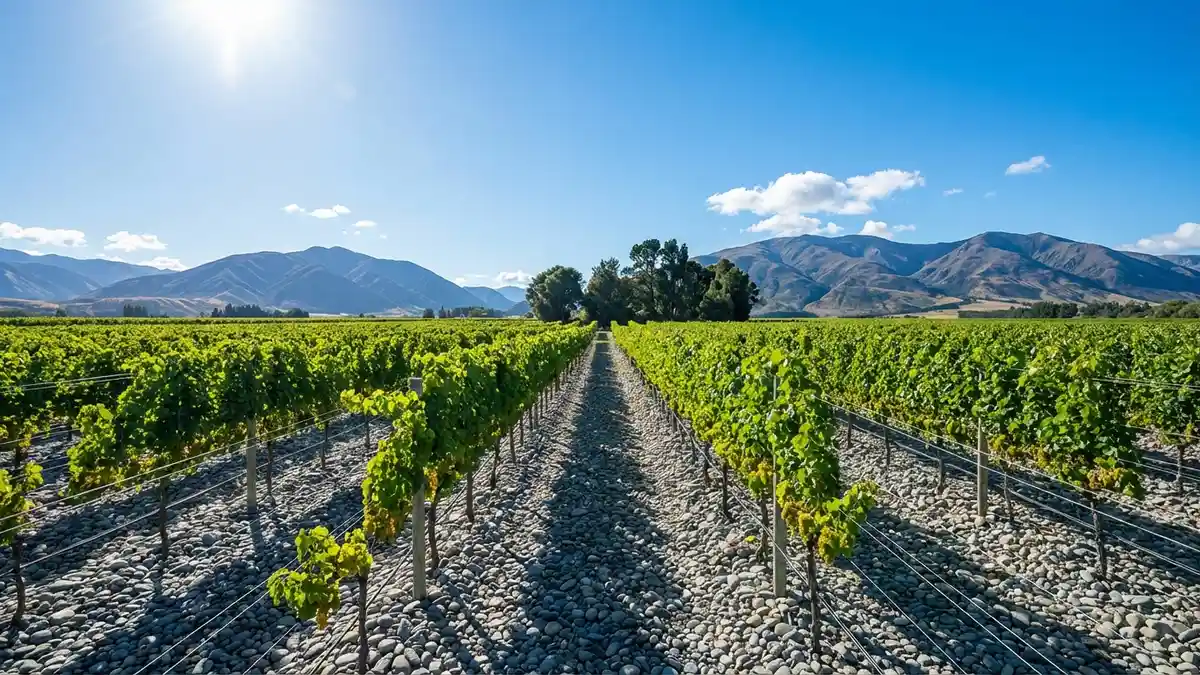
Marlborough dominates New Zealand wine. This single region accounts for over 70% of the country's production and roughly 85% of all New Zealand Sauvignon Blanc. Located at the northern tip of the South Island, Marlborough benefits from:
- Long sunshine hours — Among the highest in New Zealand, ripening grapes fully
- Cool nights — Preserving the bright acidity that defines the style
- Free-draining river-stone soils — Stressing the vines and concentrating flavor
- Sheltered valleys — The Wairau and Awatere Valleys are protected from the worst of the region's winds
Marlborough Sauvignon Blanc is the wine that put New Zealand on the map. Expect intense aromas of passionfruit, lime, grapefruit, cut grass, and sometimes a distinctive jalapeño or tomato-leaf herbaceousness. On the palate, it is bone dry, high in acidity, and refreshingly crisp. The best examples balance tropical fruit intensity with a mineral, almost flinty backbone.
Marlborough also produces increasingly respected Pinot Noir, Pinot Gris, Chardonnay, and sparkling wine.
Central Otago — Pinot Noir at the Edge
Central Otago is the world's southernmost wine region and New Zealand's only fully continental one — cold winters, hot summers, and minimal maritime influence. Located in the South Island's dramatic interior, its vineyards sit at elevations of 200–450 meters, surrounded by schist-rock mountains and glacial lakes.
Central Otago accounts for less than 5% of New Zealand's total production, but its Pinot Noir has achieved cult status. The wines are celebrated for:
- Purity of fruit — bright cherry, raspberry, and plum with remarkable clarity
- Silky tannins — fine-grained and elegant rather than firm
- Mineral complexity — the schist soils contribute a distinctive stony, mineral note
- Bright acidity — the cool climate and dry autumns preserve freshness
Key sub-regions include Bannockburn (warmer, fuller Pinot), Gibbston (cooler, more elegant), Bendigo (structured, dark-fruited), and Cromwell Basin (balanced, aromatic).
Hawke's Bay — Red Wine Country
Hawke's Bay, on the east coast of the North Island, is New Zealand's second-largest wine region and its warmest major area. While Marlborough does whites and Central Otago does Pinot, Hawke's Bay is where New Zealand makes its most ambitious red wines.
The region's flagship is Bordeaux-style blends — Merlot, Cabernet Sauvignon, and Cabernet Franc grown on the famous Gimblett Gravels, a sub-region of warm, stony river-bed soils that produce structured, age-worthy reds.
Hawke's Bay also excels with:
- Syrah — Peppery, elegant, and increasingly acclaimed. The Syrah here is cooler-climate in character, closer to Northern Rhone than Barossa.
- Chardonnay — Rich, complex, and often oak-aged, rivaling top examples from Burgundy and Napa.
Martinborough — Boutique Pinot Noir
A tiny region at the southern tip of the North Island, Martinborough produces some of New Zealand's most age-worthy Pinot Noir. The dry, sunny climate and gravelly soils create wines with more structure and savory depth than the fruit-forward Central Otago style. Production is small — this is a boutique region.
Waipara and Canterbury
On the South Island, just north of Christchurch, these cooler regions produce excellent Riesling, Pinot Gris, and elegant Pinot Noir. Waipara's limestone soils add a chalky minerality to the wines.
Other Regions
- Wairarapa — Broader region containing Martinborough. Known for Pinot Noir and aromatic whites.
- Nelson — Just west of Marlborough. Slightly warmer, producing Sauvignon Blanc, Chardonnay, and Pinot Noir with a softer, rounder character.
- Kumeu/Auckland — Historic region producing some of New Zealand's best Chardonnay in a rich, Burgundian style.
- Gisborne — Warm and fertile. Large volumes of Chardonnay and Gewurztraminer.
New Zealand's Key Grapes
White Grapes
- Sauvignon Blanc — Over 60% of all plantings. The defining grape. Intense, aromatic, bone-dry.
- Pinot Gris — The second most planted white after Sauvignon Blanc. Ranges from crisp Italian-style to richer Alsatian-style depending on the region.
- Chardonnay — Excellent from Hawke's Bay (rich, oaked) and Kumeu (Burgundian).
- Riesling — Outstanding from Waipara, Marlborough, and Central Otago. Dry to off-dry, with lime and floral notes. See the Riesling guide.
- Gewurztraminer — Aromatic and spicy, especially from Gisborne and Nelson.
Red Grapes
- Pinot Noir — The dominant red. World-class from Central Otago, Martinborough, and Marlborough.
- Merlot — Key component of Hawke's Bay Bordeaux blends.
- Syrah — Hawke's Bay's rising star. Cool-climate, peppery, elegant.
- Cabernet Sauvignon/Cabernet Franc — Hawke's Bay Bordeaux blends, best from Gimblett Gravels.
How to Pair New Zealand Wine with Food
Sauvignon Blanc Pairings
New Zealand Sauvignon Blanc's high acidity and herbaceous intensity make it one of the most versatile food whites:
- Green vegetables — Asparagus (famously difficult to pair — NZ Sauv Blanc handles it), snap peas, green beans
- Goat cheese — The classic match. The wine's acidity cuts through the creaminess.
- Seafood — Oysters, mussels, seared scallops, ceviche, green-lipped mussels (a New Zealand specialty)
- Thai and Vietnamese food — The tropical fruit notes complement lemongrass, lime, and chili
- Herb-forward dishes — Pesto pasta, tabbouleh, herb-crusted fish
Pinot Noir Pairings
- Duck — Roasted or confit. The fruit and acidity complement duck's richness.
- Salmon — Grilled, pan-seared, or smoked. A natural bridge between red and white pairings.
- Lamb — Particularly rack of lamb with herbs. A classic New Zealand combination.
- Mushrooms — Risotto, tarts, or sauteed wild mushrooms.
- Soft cheeses — Brie, Camembert, washed-rind cheeses.
For more pairing principles, see the wine and food pairing guide.
New Zealand Wine — Value and Price
New Zealand wine offers strong value relative to quality, particularly compared to equivalent wines from Burgundy, Napa, or top Australian regions.
- Under $15 — Excellent entry-level Marlborough Sauvignon Blanc. Some of the best value white wine in the world lives in this range.
- $15–$25 — Premium Sauvignon Blanc, good Pinot Gris, and entry-level Pinot Noir. Hawke's Bay Chardonnay often overdelivers here.
- $25–$45 — Serious Central Otago Pinot Noir, Hawke's Bay Syrah, and single-vineyard whites. Real complexity and age-worthiness.
- $45–$80 — Top-tier Pinot Noir from Central Otago and Martinborough, premium Hawke's Bay Bordeaux blends, and benchmark Chardonnay.
- $80+ — Rare, small-production wines from elite producers. Still significantly less than equivalent quality from Burgundy.
How New Zealand Compares to Other Cool-Climate Regions
| Feature | New Zealand (Marlborough) | France (Loire) | Oregon (Willamette) | |---|---|---|---| | White flagship | Sauvignon Blanc | Sauvignon Blanc | Pinot Gris | | Red flagship | Pinot Noir | Cabernet Franc | Pinot Noir | | Style | Intense, tropical, crisp | Mineral, restrained, flinty | Round, earthy, generous | | Key advantage | Aromatic intensity | Terroir complexity | Fruit-earth balance | | Price range | $12–$60 (core) | $15–$80 (core) | $20–$60 (core) |
New Zealand sits at the aromatic end of the cool-climate spectrum — more expressive and fruit-forward than European counterparts, but with enough acidity and structure to age well.
Building Your New Zealand Tasting Skills
New Zealand is a perfect region for learning to identify aromatic intensity in wine. Pour a Marlborough Sauvignon Blanc next to a French Loire Sancerre and the contrast is striking — both are Sauvignon Blanc, but the Kiwi version is like turning the volume from 5 to 11 on fruit and herbs.
For reds, compare a Central Otago Pinot Noir with one from Burgundy or Oregon. The New Zealand version will typically show brighter, more overt fruit and a silkier texture, while the French version will lean more earthy and mineral. Notice how the color differs too — Central Otago Pinot tends toward a brighter, more vibrant ruby than Burgundy's darker garnet.
Another revealing comparison is Hawke's Bay Syrah versus a Northern Rhone Syrah. Both are cool-climate expressions, but the New Zealand version often shows more red fruit and floral lift, while the Rhone leans more toward smoke, olive, and meat.
The Sommy app includes guided tasting exercises that help you identify these regional differences, building your tasting vocabulary through structured comparisons. New Zealand wines are intensely aromatic and expressive — they practically teach you themselves.
Frequently Asked Questions
What is New Zealand best known for in wine?
New Zealand is best known for Sauvignon Blanc from Marlborough, which redefined the grape globally with its intense passionfruit, lime, and herbaceous style. Central Otago Pinot Noir is the country's other star, producing world-class reds with purity and elegance. Together, these two varieties account for the vast majority of New Zealand wine production.
Why is New Zealand Sauvignon Blanc so different?
Marlborough's combination of long sunshine hours, cool nights, and free-draining river-stone soils produces Sauvignon Blanc with an intensity of flavor — tropical fruit, citrus, cut grass — that warmer regions cannot replicate. The extended growing season allows grapes to develop complex aromatics while retaining high acidity.
Is New Zealand Pinot Noir good?
Yes. Central Otago Pinot Noir is considered among the finest in the world outside Burgundy. The region's continental climate and long, dry autumns produce wines with bright cherry fruit, silky tannins, and a mineral complexity that has earned international acclaim. Martinborough and Marlborough also produce excellent Pinot Noir.
What other grapes grow in New Zealand?
Beyond Sauvignon Blanc and Pinot Noir, New Zealand produces excellent Chardonnay (especially from Hawke's Bay and Kumeu), Pinot Gris, Riesling, Syrah (Hawke's Bay), and Bordeaux-style blends. Aromatic whites like Gewurztraminer and Viognier also thrive in cooler regions.
How big is the New Zealand wine industry?
New Zealand has approximately 43,000 hectares under vine, making it relatively small — about one-sixth the size of Bordeaux. But nearly 90 percent of production is exported, with the United States, the United Kingdom, and Australia as the top markets. The industry is worth about 3.6 billion New Zealand dollars annually.
What food pairs well with New Zealand Sauvignon Blanc?
New Zealand Sauvignon Blanc pairs brilliantly with green vegetables like asparagus and snap peas, goat cheese, fresh herbs, seafood (especially oysters, mussels, and seared scallops), Thai and Vietnamese cuisine, and anything with a squeeze of lime. Its high acidity makes it one of the most versatile food wines.
What food pairs well with New Zealand Pinot Noir?
Central Otago Pinot Noir pairs well with duck, salmon, lamb, mushroom dishes, and soft aged cheeses like Brie. Its lighter body and bright acidity also make it a great match for charcuterie, roasted beets, and Asian five-spice dishes.
Is New Zealand wine expensive?
New Zealand wine is moderately priced compared to its quality. Entry-level Sauvignon Blanc from Marlborough is widely available for 10 to 15 dollars. Good Pinot Noir ranges from 20 to 40 dollars. Top Central Otago and Hawke's Bay wines can reach 50 to 100 dollars but rarely exceed that, offering strong value compared to Burgundy or Napa.
Get the free Wine 101 course
Start learning to taste wine like a pro with structured lessons and AI-guided practice.
Sommy Team
LinkedInFounder & Wine Educator
The Sommy Team is building the world's most approachable wine education app, helping beginners develop real tasting skills through structured courses and AI-guided practice.
Keep Reading
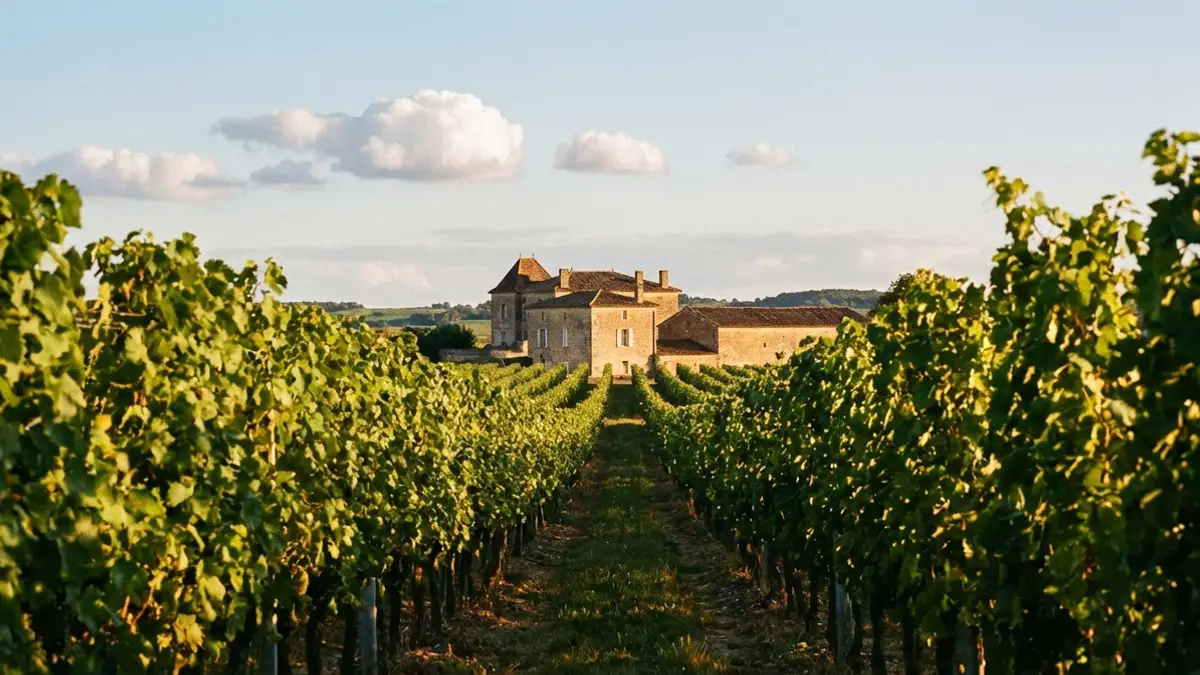
French Wine Regions: A Complete Guide
Explore the major French wine regions from Bordeaux to Provence. Understand the AOC system, signature grapes, and what makes each region unique.
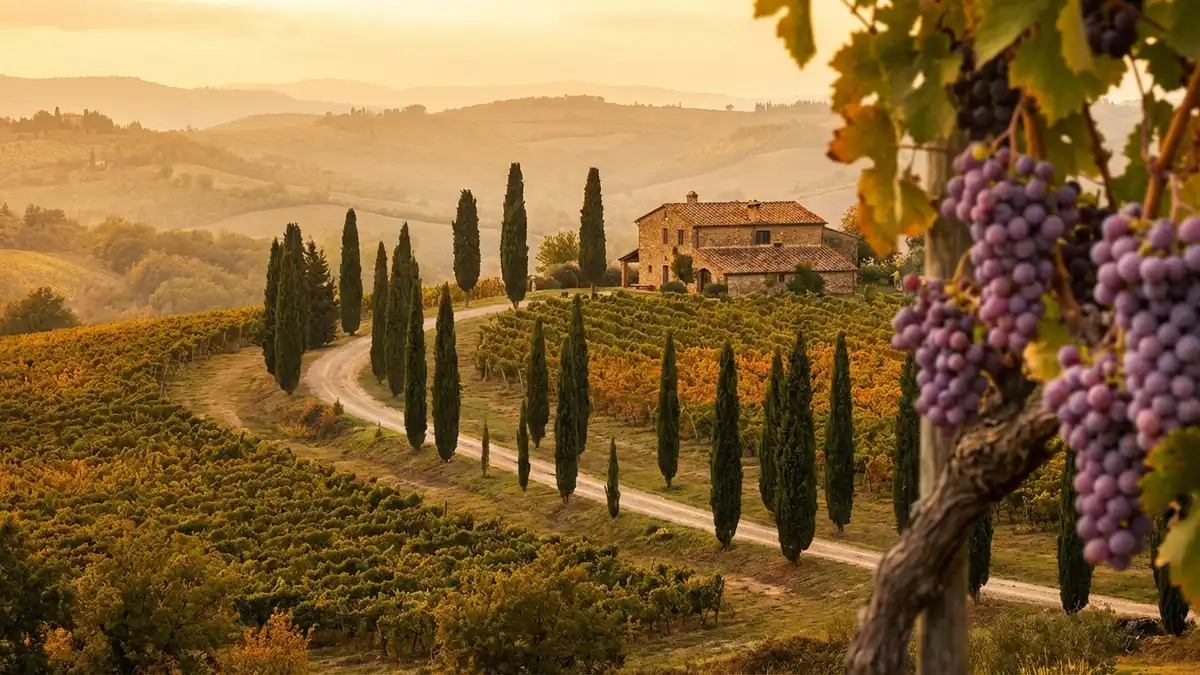
Italian Wine: From Chianti to Barolo
Discover Italian wine from north to south. Learn the key regions, native grapes, classification system, and why Italian wine and food are inseparable.
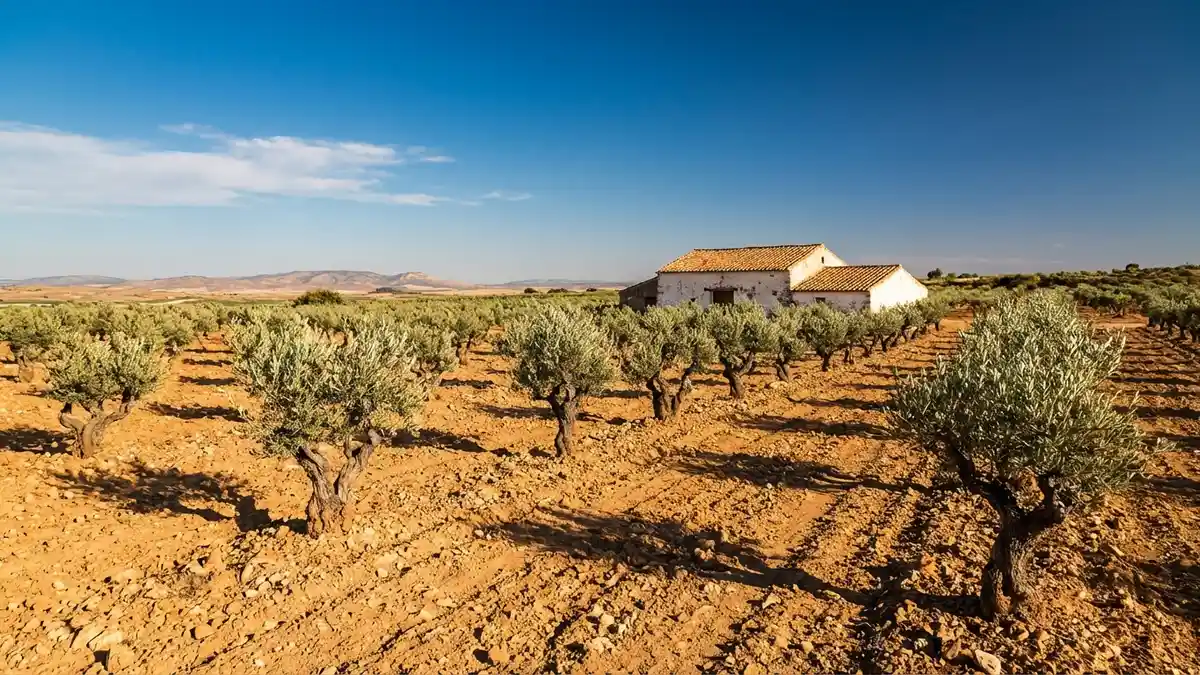
Spanish Wine Regions: From Rioja to Sherry
Explore Spain's major wine regions, from the legendary Rioja to the unique world of Sherry. Learn the DO system, key grapes, and aging classifications.