Riesling Wine Guide: From Bone Dry to Lusciously Sweet
Sommy Team
Founder & Wine Educator
April 10, 2026
9 min read
TL;DR
Riesling is the most expressive and versatile white grape in the world. It ranges from bone dry to intensely sweet, thrives in cool climates from Germany to Australia, ages for decades, and pairs with spicy food better than any other variety. With roughly 50,000 hectares planted worldwide, it remains one of wine's greatest and most underrated grapes.
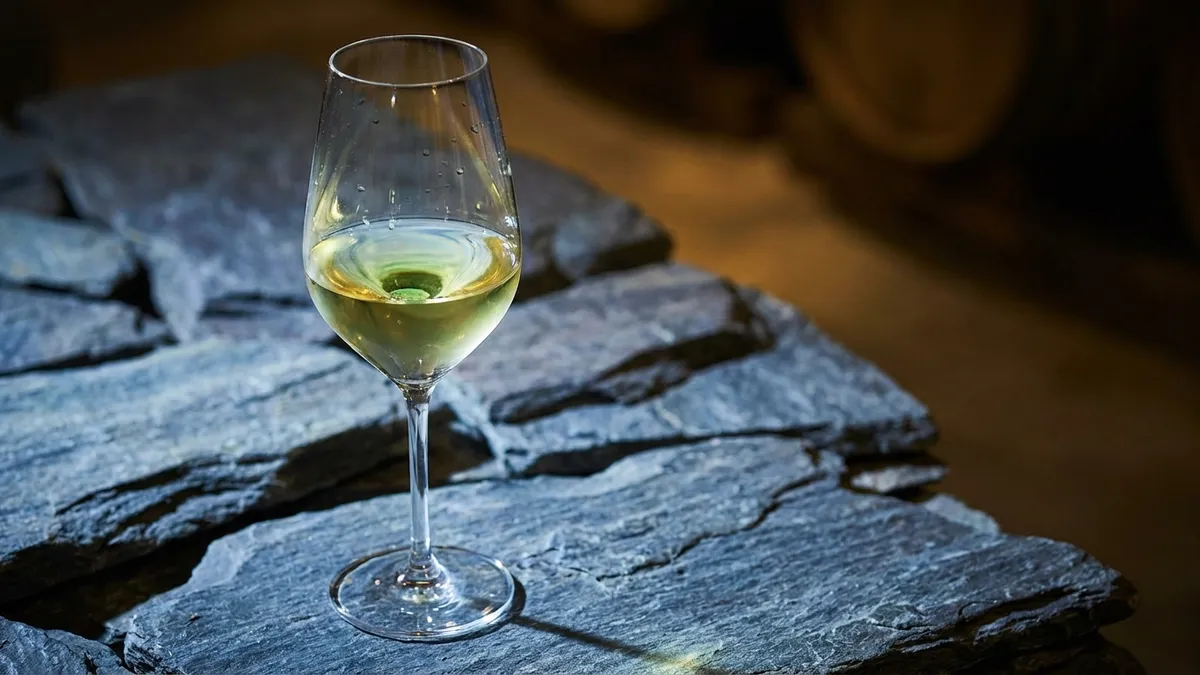
Riesling wine is arguably the most expressive white grape variety on the planet. While Chardonnay gets the fame and Sauvignon Blanc gets the volume, Riesling does something neither can match: it produces outstanding wine across the entire sweetness spectrum, from razor-sharp and bone dry to thick, honeyed, and lusciously sweet. It is one of the six noble grapes — the varieties considered benchmarks for all others — and the only white grape that can genuinely rival the greatest reds for aging potential.
With roughly 50,000 hectares planted worldwide (Germany alone accounts for about 24,000 hectares), Riesling is not rare. But it is misunderstood. Too many people assume every Riesling is sweet. That assumption keeps them from one of the most rewarding grapes in wine.
Why Riesling Wine Stands Apart
Three qualities make Riesling unlike any other white grape.
High natural acidity is the defining trait. Riesling retains acidity even in warm vintages, giving its wines a racy, mouth-watering backbone. This acidity is what allows sweet Rieslings to taste balanced rather than cloying — the sugar is there, but the acid keeps it taut. It also acts as a natural preservative, which explains the grape's remarkable aging ability.
Transparency to terroir is the second. Riesling is sometimes called the "Pinot Noir of white grapes" because it reflects its growing site with unusual clarity. A Riesling from blue slate soil in the Mosel tastes different from one grown on limestone in Alsace or red clay in the Clare Valley. Strip the labels and a trained taster can often tell the regions apart — something that is far harder to do with Chardonnay or Sauvignon Blanc.
Aromatic intensity is the third. Young Riesling delivers vivid lime, green apple, white peach, jasmine, and sometimes a struck-flint minerality. These aromas arrive without the winemaker needing to add anything — no oak aging, no malolactic fermentation, no blending. What you smell in the glass is the grape itself.
The Dry-to-Sweet Spectrum
Riesling's range of sweetness styles is unmatched by any other grape. Understanding this spectrum is the single most useful thing a beginner can learn about the variety.
Bone dry Riesling (under 4 grams per liter of residual sugar, the unfermented grape sugar remaining after fermentation) is the dominant style in Alsace, Austria, and Australia. German labels marked trocken (the German word for dry) also fall here. These wines are lean, mineral, and high-acid — closer in spirit to Chablis than to a New Zealand Sauvignon Blanc.
Off-dry Riesling (roughly 10 to 25 grams per liter) is where much German Kabinett and Spätlese sits. The sugar is present but the acidity balances it, creating a tension that makes the wine feel lighter than its sweetness level would suggest. This is the style that pairs so well with spicy food.
Medium-sweet to sweet Riesling (25 to 100+ grams per liter) includes Auslese, Beerenauslese (wine made from individually selected overripe berries), and the legendary Trockenbeerenauslese (abbreviated TBA — wine made from individually selected berries shriveled by noble rot, the beneficial Botrytis cinerea fungus that concentrates sugars and adds honey and apricot flavors). These are dessert wines of extraordinary concentration, and the best examples can age for a century.
The key insight is that sweetness and quality are independent variables. A dry Riesling from a top Alsatian Grand Cru can be every bit as complex and age-worthy as a sweet Auslese from the Mosel. Neither style is "better" — they are different expressions of the same grape.
Germany's Prädikat Classification
Germany classifies its finest Rieslings by the ripeness of the grapes at harvest, not by the region or vineyard prestige. This system, called Prädikat (a quality designation indicating the sugar level of grapes at picking), has six ascending levels:
- Kabinett — lightest, most delicate, typically 7 to 9 percent alcohol. Often off-dry with bright green apple and citrus.
- Spätlese — "late harvest." Riper fruit, more body, can be dry or sweet. Peach, apricot, and honey notes emerge.
- Auslese — "select harvest." Made from specially selected bunches. Richer, often sweet, with tropical fruit and botrytis character.
- Beerenauslese (BA) — individual botrytis-affected berries. Intensely sweet, unctuous, and rare.
- Eiswein — grapes frozen on the vine and pressed while frozen, concentrating sugars. Crystalline acidity with extreme sweetness.
- Trockenbeerenauslese (TBA) — the pinnacle. Berries shriveled to raisins by botrytis. Thick, syrupy, and capable of aging for 100+ years. Among the most expensive wines in the world.
A critical subtlety: Prädikat level tells you the ripeness at harvest, not whether the finished wine is sweet. A Spätlese marked trocken was harvested at Spätlese ripeness but fermented fully to dryness. Reading a German Riesling label takes practice, but the system rewards the effort.
Key Riesling Wine Regions
Mosel, Germany
The Mosel valley produces what many consider the purest expression of Riesling on Earth. Steep slate hillsides along the winding river force the vines to struggle, producing tiny berries of extraordinary concentration. The cool climate preserves acidity, and the best sites catch the sun's reflection off the river below — a natural solar panel for grapes that ripen slowly.
Mosel Riesling is typically light-bodied, low in alcohol (often 8 to 10 percent), and high in acidity. The signature flavor profile runs lime, white peach, wet slate, and a faintly smoky minerality. These wines feel almost weightless on the palate despite their intensity.
Alsace, France
Alsace sits on the French side of the Rhine, sheltered from rain by the Vosges mountains. The result is a warmer, drier growing season than the Mosel, producing richer, more full-bodied Rieslings that are almost always fermented fully dry.
Alsatian Riesling tends toward ripe citrus, stone fruit, ginger, and a pronounced mineral character that varies with the soil — granite, limestone, or volcanic. The Grand Cru vineyards here produce some of the most structured, age-worthy dry white wines in the world.
Clare Valley and Eden Valley, Australia
Australia's finest Riesling comes from two adjacent regions in South Australia. The style is distinctive: bone dry, high-acid, and built around lime and lemon zest with a toasty, almost bready mineral note. Clare Valley Riesling is bottled early under screw cap (the region pioneered screw cap use for premium wine in the early 2000s) and ages beautifully for 10 to 20 years.
Finger Lakes, New York
The Finger Lakes region produces some of the best Riesling in North America. Deep glacial lakes moderate the harsh continental climate, creating a narrow band of vineyards that can ripen Riesling to perfection. Styles range from dry to sweet, with a distinct green apple, lime, and flinty character.
Wachau, Austria
Austria's Wachau region produces powerful, dry Rieslings from terraced vineyards along the Danube. Classified by body into Steinfeder (lightest), Federspiel (medium), and Smaragd (fullest), these wines show ripe stone fruit, white pepper, and a granitic mineral drive. Smaragd-level Riesling can rival the best of Alsace for structure and aging potential.
The Petrol Note: Love It or Leave It
Aged Riesling develops a distinctive aroma that tasters describe as petrol, kerosene, or sometimes rubber. This comes from a compound called TDN (1,1,6-trimethyl-1,2-dihydronaphthalene), which forms from carotenoid precursors in the grape skin during bottle aging.
TDN development depends on several factors: sun exposure during the growing season (more sun means more precursors), bottle age, and storage temperature. Warmer-climate Rieslings from Australia or Alsace tend to develop petrol character earlier and more intensely than cooler-climate examples from the Mosel.
For experienced Riesling drinkers, a whiff of petrol alongside lime and honey is a sign of a mature wine hitting its stride. For newcomers, it can be startling. The best approach is to taste systematically — notice it, name it, and see whether the overall balance of the wine works for your palate. Not every Riesling develops petrol, and the intensity varies from a subtle undertone to a dominant feature.
Food Pairing: The Spicy Food Champion
Riesling's food pairing superpower is spicy cuisine. The combination of high acidity, relatively low alcohol, and the option of a touch of residual sugar makes it the single best wine choice for Thai, Indian, Szechuan, Korean, and Mexican food.
Here is why it works: capsaicin (the heat compound in chili peppers) binds to receptors in your mouth. Alcohol amplifies that burning sensation. High-alcohol, dry reds make spicy food feel hotter. Riesling does the opposite — its lower alcohol avoids amplifying heat, its acidity refreshes the palate, and any residual sugar actively soothes the burn.
Beyond spicy food, Riesling pairs well with:
- Pork in all forms — roast, chops, sausages, especially with fruit-based sauces
- Sushi and sashimi — dry Riesling's clean acidity and lack of oak make it a natural match
- Roast chicken or duck — off-dry Riesling with roast duck is a classic pairing
- Aged hard cheeses — the acidity cuts through the fat
- Rich, fatty dishes — foie gras with sweet Auslese is one of wine's great pairings
For a deeper look at matching wine to food, Sommy's structured tasting courses walk through how acidity, sweetness, and body interact with different flavors on the plate.
Aging Potential
Riesling is one of the few white grapes that genuinely improves with age. Its high acidity and low pH create an environment hostile to the bacteria and oxidation that spoil most white wines within a few years.
A well-made Kabinett can develop beautifully over 5 to 10 years. Spätlese and Auslese from top producers often peak at 10 to 20 years. Grand Cru Alsatian Riesling can evolve for 15 to 30 years. And the sweet wines — BA, Eiswein, and TBA — can last essentially forever. Bottles of TBA from the 1800s have been opened and found to be vibrant and alive.
As Riesling ages, the primary fruit flavors of lime and peach give way to honey, dried apricot, lanolin, marmalade, and that characteristic petrol note. The acidity remains but softens, integrating into the wine's texture rather than standing apart. The serving temperature matters more as wines age — slightly warmer (around 50 to 55°F) allows the complex secondary aromas to open up.
Getting Started with Riesling
For anyone new to the variety, the easiest entry point is a German Mosel Kabinett. These wines are affordable (typically 12 to 20 dollars), light, low in alcohol, and immediately appealing. They do not require any wine knowledge to enjoy but reveal more complexity the more carefully you pay attention.
From there, try an Alsatian Riesling (dry, richer, more structured) and a Clare Valley Riesling (dry, racy, lime-driven) to experience how dramatically the grape changes across regions. If you want to explore the sweet end of the spectrum, a German Spätlese is the most accessible place to start.
The Sommy app includes guided tasting exercises that help build the vocabulary for describing what you are finding in the glass. Riesling is an ideal grape to practice with because it is so expressive — even beginners can pick out the difference between a dry and an off-dry example, or between a Mosel and an Alsatian style.
Riesling rewards patience, attention, and an open mind. Give it those three things and it will give back more than any other white grape.
Frequently Asked Questions
Is Riesling always sweet?
No. Riesling produces the full spectrum from bone dry to intensely sweet. Most Riesling from Alsace, Austria, and Australia is dry. Even in Germany, a large portion of production is trocken (dry). The grape's high natural acidity means that even wines with some residual sugar can taste balanced and refreshing rather than sugary.
What does Riesling taste like?
Young Riesling typically shows lime, green apple, white peach, and floral notes with a distinctive mineral edge. With age, it develops a unique petrol or kerosene aroma caused by a compound called TDN. The palate is high in acidity with a racy, mouth-watering quality that sets it apart from rounder whites like Chardonnay.
What is the petrol smell in aged Riesling?
The petrol or kerosene aroma in aged Riesling comes from a compound called TDN (1,1,6-trimethyl-1,2-dihydronaphthalene). It develops during bottle aging and is considered a positive quality marker in mature Riesling, especially from warmer sites. The amount varies by region, vintage, and sun exposure — warmer climates and older bottles tend to show more.
What food pairs best with Riesling?
Riesling is the go-to wine for spicy food. Its combination of high acidity, moderate alcohol, and optional residual sugar makes it the best pairing for Thai, Indian, Szechuan, and Korean cuisines. Dry Riesling also pairs well with sushi, pork, roast chicken, and aged hard cheeses.
What does Kabinett mean on a German Riesling label?
Kabinett is the lightest level in Germany's Prädikat classification system. It indicates wine made from grapes harvested at the lowest minimum ripeness level. Kabinett Rieslings are typically light-bodied with lower alcohol (7 to 9 percent) and can be dry or off-dry. They are among the most refreshing wines in the world.
How long can Riesling age?
Top Riesling is one of the longest-lived white wines in existence. Great German Spätlese and Auslese can age 20 to 40 years. Dry Grand Cru Riesling from Alsace can develop over 15 to 30 years. Even good Kabinett-level wine often improves for 5 to 10 years. The grape's high acidity and low pH act as natural preservatives.
What is the difference between Riesling and Gewürztraminer?
Both are aromatic white grapes from cool climates, but they taste very different. Riesling is high-acid with citrus, stone fruit, and mineral notes, ranging from dry to sweet. Gewürztraminer is lower in acid with intense lychee, rose petal, and ginger aromas and a fuller, oilier texture. Riesling is more versatile at the table; Gewürztraminer is more of a specialty pairing grape.
Which Riesling region should a beginner start with?
German Mosel Kabinett is the best entry point. These wines are light, low in alcohol, affordable, and beautifully balanced between fruit sweetness and acidity. They are easy to drink without any wine knowledge and reveal more complexity as your palate develops. A good Mosel Kabinett from a reliable producer typically costs between 12 and 20 dollars.
Get the free Wine 101 course
Start learning to taste wine like a pro with structured lessons and AI-guided practice.
Sommy Team
LinkedInFounder & Wine Educator
The Sommy Team is building the world's most approachable wine education app, helping beginners develop real tasting skills through structured courses and AI-guided practice.
Keep Reading
The 6 Noble Grapes Every Wine Lover Should Know
Meet the six grape varieties that form the foundation of the wine world. Learn their flavor profiles, key regions, and food pairings.
Cabernet Sauvignon vs Merlot: What Is the Difference?
Cabernet Sauvignon vs Merlot is the most common wine comparison in the world. Here is how they actually differ in flavor, structure, food pairing, and aging, with a side-by-side comparison you can try at home.
Chardonnay vs Sauvignon Blanc: How to Choose
Chardonnay vs Sauvignon Blanc is the white wine version of Cab vs Merlot. Here is how they actually differ in flavor, body, oak, food pairing, and style — and how to pick the right one for any occasion.