South African Wine: Stellenbosch, Chenin Blanc, and Pinotage
Sommy Team
Founder & Wine Educator
April 16, 2026
10 min read
TL;DR
South Africa is the world's eighth-largest wine producer, with most vineyards in the Western Cape. Chenin Blanc is its signature white — planted on more land here than anywhere else — while Stellenbosch defines premium Cabernet. The country also makes its own unique red, Pinotage, and offers exceptional value.
Why South African Wine Belongs on Your Radar
South Africa is one of the most exciting wine-producing countries in the world right now — and one of the most underrated. While France, Italy, and Spain dominate Old World conversations, and Napa and Australia get most of the New World attention, South Africa quietly produces wines of remarkable quality, character, and value.
This south african wine guide covers a country with more than 360 years of winemaking history, the world's largest plantings of Chenin Blanc, and a unique red grape — Pinotage — that exists nowhere else. The Western Cape's combination of ancient soils, two-ocean cooling, and dramatic mountain ranges gives the region a distinctive identity that bridges Old World restraint with New World expressiveness.
South Africa is the world's eighth-largest wine producer, with about 90,000 hectares under vine across roughly 530 wineries. Nearly all production happens in the Western Cape, within a few hours' drive of Cape Town — making it one of the most geographically concentrated wine countries on Earth.
A Brief History of Cape Wine
Wine has been made in South Africa since 1659, when Dutch colonist Jan van Riebeeck pressed the first grapes from vines planted in the Cape. By the late 1600s, the sweet wines of Constantia had become famous across Europe, served at the courts of Frederick the Great, Napoleon, and Louis Philippe. Jane Austen and Charles Dickens both wrote about Constantia in their novels.
The modern industry has been shaped by two major events. The first was the long shadow of the KWV cooperative, founded in 1918, which controlled production quotas and grape pricing for most of the twentieth century — limiting innovation and pushing producers toward bulk volume. The second was the end of apartheid in 1994, which reopened export markets and launched a quality revolution that continues today.
The result is a country with deep roots and a youthful energy. Small-producer winemaking has exploded since the late 1990s, especially in regions like Swartland and the Cape South Coast.
Key South African Wine Regions
Stellenbosch
Stellenbosch, about 50 kilometers east of Cape Town, is the heart of South African fine wine. The town itself dates to 1679 and the surrounding region is home to many of the country's most prestigious estates. Granite, sandstone, and shale soils combine with cool nighttime temperatures from the nearby False Bay to produce wines of structure and balance.
Stellenbosch Cabernet Sauvignon — The region is internationally recognized for Cabernet Sauvignon and Bordeaux-style red blends. Top wines show classic blackcurrant, graphite, and tobacco notes with firm but ripe tannins — closer in style to Bordeaux than to the riper Cabernet from California or Australia.
Cape Bordeaux Blends — Many of the country's most acclaimed reds blend Cabernet Sauvignon, Merlot, Cabernet Franc, Petit Verdot, and sometimes Malbec. These wines age beautifully and are widely considered the country's flagship style.
Stellenbosch Chenin and Sauvignon Blanc — Cool-climate pockets within Stellenbosch also produce excellent whites, including richly textured Chenin Blanc and crisp, herbaceous Sauvignon Blanc.
Swartland
Just north of Stellenbosch, Swartland — Afrikaans for "black land" — was historically a region of bulk wine and grain farming. Over the last twenty years it has become the most exciting fine-wine region in South Africa, driven by a small group of winemakers who founded the Swartland Independent Producers movement in 2010.
- Style — Mediterranean climate, dry-farmed bushvines, minimal intervention in the cellar
- Signature grapes — Old-vine Chenin Blanc, Syrah, Grenache, Cinsault
- Old vines — Some of South Africa's oldest commercial vineyards, including ungrafted bushvines from the 1950s and earlier
- Reputation — Now widely considered the source of the country's most distinctive whites
Swartland Chenin Blanc is often the easiest entry point — barrel-fermented, textured, and complex, with notes of stone fruit, honey, and a slight savory minerality. Swartland Syrah, sometimes blended with small amounts of Mourvèdre or Grenache (a Syrah-style different from both Northern Rhône and Australia), is perfumed, peppery, and food-friendly.
Constantia
Just south of Cape Town, Constantia is the oldest wine-growing area in the country and one of the coolest — cooled directly by the Cape Doctor, a strong southeasterly wind off False Bay. The region is famous for two things: the historic sweet wine Vin de Constance, made from Muscat de Frontignan, and elegant, herbaceous Sauvignon Blanc.
The Sauvignon Blanc from Constantia is arguably South Africa's finest — built on grapefruit, fig leaf, and flinty mineral notes that age unusually well for the variety. The style sits between Loire Sancerre and New Zealand, often with more texture than either.
Walker Bay and Hemel-en-Aarde
Around the coastal town of Hermanus, Walker Bay and the Hemel-en-Aarde Valley are South Africa's premier home for cool-climate Pinot Noir and Chardonnay. The maritime climate, ancient clay-rich soils, and limited summer heat produce wines of finesse rather than power.
The best Hemel-en-Aarde Pinot Noir shows red cherry, pomegranate, and forest floor with bright acidity and silky tannins — closer in spirit to Burgundy than to many warmer New World Pinot Noir regions. Chardonnay from the area is mineral-driven, restrained, and built to age.
Elgin
Elevated and cool, Elgin sits about an hour southeast of Cape Town and is best known for crisp Sauvignon Blanc, racy Chardonnay, and increasingly serious Pinot Noir. It is one of the coolest viticultural areas in South Africa, and its wines tend to show pronounced acidity, lean structure, and clear aromatic precision — comparable in feel to cooler Sauvignon Blanc regions like Marlborough.
Paarl and Franschhoek
Paarl is a warmer inland region just north of Stellenbosch, historically known for fortified wines and now producing excellent Shiraz, Cabernet, and Chenin Blanc. Franschhoek — the "French corner" — was settled by Huguenot refugees in the 1680s and is today known equally for wine, food, and tourism. Both areas produce reliable, well-priced wines across most major styles, including some of the country's best Cap Classique sparkling.
Signature Grapes
Chenin Blanc
If South Africa has a national grape, it is Chenin Blanc — known locally as Steen for much of the twentieth century. The country has roughly 18,000 hectares planted, more than the rest of the world combined, and many of these are old, low-yielding bushvines.
Style varies dramatically. Young, unoaked Chenin from cooler areas is fresh, citrusy, and easy-drinking. Old Vine Chenin Blanc from Swartland or Stellenbosch — often barrel-fermented and aged on lees — is rich, textured, and deeply complex, with notes of yellow apple, quince, honey, beeswax, and a stony minerality.
The best examples age beautifully for a decade or more and rival Loire Chenin from Vouvray and Savennières at a fraction of the price.
Sommy tip — When trying South African Chenin Blanc, taste two bottles side by side: one young and unoaked, one barrel-fermented Old Vine. The contrast tells you almost everything about the grape's range.
Pinotage
Pinotage is South Africa's only truly indigenous wine grape — created in 1925 at Stellenbosch University by Professor Abraham Perold, who crossed Pinot Noir with Cinsault (then known locally as Hermitage). The grape was meant to combine Pinot's elegance with Cinsault's heat tolerance.
For decades Pinotage had a mixed reputation — older, poorly made examples could show a distinctive rubber, isoamyl-acetate, or burnt-paint character that turned drinkers off. Modern winemaking has largely solved this through better vineyard management and gentler extraction.
Today's Pinotage ranges from juicy, fruit-forward "Cape Blends" (which include at least 30 percent Pinotage) to serious, oak-aged single-varietal wines from producers like Beyerskloof, Kanonkop, and Spier. Expect blackberry, plum, smoked meat, and earth — best with grilled or smoked food.
Cabernet Sauvignon
Stellenbosch and Paarl produce some of the world's finest Cabernet outside of France and California. The style is structured, savory, and built to age — often closer to a Saint-Estèphe than a Napa Valley Cabernet, with firm tannins, bright acidity, and clear notes of blackcurrant, cedar, and graphite.
Syrah / Shiraz
South African Syrah occupies a stylistic middle ground between Northern Rhône restraint and Australian power. Cool-climate examples from the Cape South Coast or Stellenbosch foothills are peppery, perfumed, and medium-bodied. Warmer Swartland Syrahs are riper and more brooding but rarely jammy. Producers tend to use the spelling Syrah rather than Shiraz to signal a more European-style approach.
Sauvignon Blanc
Sauvignon Blanc thrives in South Africa's cooler regions — Constantia, Elgin, Walker Bay, and Cape Point. The style is generally less overtly tropical than New Zealand and more textured than Loire Sancerre, often with grapefruit, fig leaf, gooseberry, and a flinty mineral edge. The best examples age unusually well for the variety.
Cap Classique
Cap Classique is South African sparkling wine made by the traditional method, the same labor-intensive approach used in Champagne. The style is built primarily on Chardonnay and Pinot Noir, though Chenin Blanc plays a role in many blends. Quality has risen sharply over the last decade, and the best wines deliver real complexity at a small fraction of Champagne prices.
How South African Wine Tastes
A few characteristics tend to define Cape wines across regions and grapes:
- Bright acidity — Even warm regions retain freshness, thanks to ocean cooling and granite-rich soils
- Mineral edge — A slight savory, stony, or smoky character is common across both whites and reds
- Restraint — Alcohol levels are usually moderate (12.5 to 14.5 percent), with more elegance than power
- Earthy reds — Even ripe red wines tend to show a savory, leathery, or smoky note alongside the fruit
Reading the color of a wine and noticing how its aromas open up over time will tell you a lot about its origin — South African wines often reward patience in the glass.
How to Read a South African Wine Label
A few terms to look for:
- WO (Wine of Origin) — The country's appellation system. The label may name a Geographical Unit (Western Cape), a Region (Coastal Region), a District (Stellenbosch), or a more specific Ward (Constantia, Hemel-en-Aarde Valley)
- Estate Wine — Made entirely from grapes grown on a single registered estate
- Single Vineyard — From one demarcated vineyard block, registered with the Wine and Spirit Board
- Old Vines / Sertifikaat — Vines older than 35 years, certified by the Old Vine Project
- MCC / Méthode Cap Classique — Traditional-method sparkling wine
The Sommy app's regional lessons walk through these label terms with side-by-side examples, so you can practice spotting them in a wine shop.
Food Pairings
South African wines are exceptional table wines — built around acidity, balance, and structure rather than power. Some classic matches:
- Stellenbosch Cabernet or Bordeaux blend — Grilled lamb chops, ribeye, aged hard cheese
- Pinotage — Boerewors, braai (South African barbecue), grilled venison, smoked brisket
- Old Vine Chenin Blanc — Roast chicken with herbs, pork belly, Cape Malay curry, pumpkin gnocchi
- Swartland Syrah — Lamb tagine, charcuterie, mushroom dishes, smoked duck
- Constantia or Elgin Sauvignon Blanc — Goat cheese, oysters, asparagus, ceviche
- Hemel-en-Aarde Pinot Noir — Salmon, duck breast, mushroom risotto
- Cap Classique — Aperitif, fried chicken, salty seafood, fresh oysters
Cape Malay cuisine — South Africa's distinctive blend of Dutch, Malaysian, and Indonesian influences — pairs especially well with off-dry Chenin Blanc or aromatic whites that can balance the gentle spice.
Where to Start
If you are new to South African wine, three bottles will give you a strong foundation:
- A young, unoaked Chenin Blanc from a major producer — to learn the variety's clean, citrusy baseline
- A Stellenbosch Bordeaux-style blend — to understand how the country approaches structured, age-worthy reds
- A modern Pinotage from a quality producer — to taste the grape that exists nowhere else
From there, exploring Old Vine Chenin from Swartland and Pinot Noir from Hemel-en-Aarde will quickly show how much the country has to offer.
Practicing how you describe what you smell and taste is the fastest way to lock in regional differences. The Sommy app's structured tasting framework — built on the same approach used in WSET-style tasting — is designed to help you build that vocabulary one bottle at a time. Visit sommy.wine to start your tasting journey, or browse our other regional guides to keep exploring.
Frequently Asked Questions
What is South Africa best known for in wine?
South Africa is best known for Chenin Blanc — it has the largest plantings of the grape in the world — and for Pinotage, a uniquely South African red grape created by crossing Pinot Noir and Cinsault in 1925. Stellenbosch is also internationally recognized for premium Cabernet Sauvignon and Bordeaux-style blends, and the Cape is increasingly admired for cool-climate Chardonnay, Sauvignon Blanc, and elegant sparkling wines made by the traditional method.
What is Pinotage?
Pinotage is South Africa's signature red grape, created in 1925 at Stellenbosch University by Professor Abraham Perold by crossing Pinot Noir with Cinsault. It produces dark, full-bodied wines with notes of blackberry, plum, smoke, and earth. Modern Pinotage ranges widely in style — from juicy and approachable to structured, oak-aged wines built to age for a decade or more.
Where is South African wine made?
Almost all South African wine is made in the Western Cape, the southwestern tip of the country near Cape Town. The most important regions are Stellenbosch, Paarl, Franschhoek, Constantia, Swartland, Walker Bay, Elgin, and the Cape South Coast. The cool maritime influence from two oceans and dramatic mountain ranges create an unusual diversity of microclimates.
Why is South African Chenin Blanc special?
South Africa has more Chenin Blanc planted than any other country — roughly 18 percent of the country's total vineyard area. Many of these vines are old, low-yielding bushvines that produce intensely flavored wines. The style ranges from crisp and unoaked to rich, barrel-fermented Old Vine Chenin from Swartland — often delivering remarkable complexity for the price.
Is South African wine good value?
Yes. South African wine is widely considered one of the best-value wine categories in the world, especially in the $15 to $30 range. Excellent Chenin Blanc, Cabernet Sauvignon, Syrah, and Bordeaux-style blends from top regions sell for a fraction of comparable wines from Bordeaux or Napa, largely because the country is still building international brand recognition.
What food pairs well with South African wine?
Stellenbosch Cabernet and Bordeaux-style blends pair beautifully with grilled lamb and beef. Pinotage is a classic match for braai (South African barbecue), boerewors sausage, and game meats. Chenin Blanc works with roast chicken, seafood, and Cape Malay curries. Sauvignon Blanc from Elgin or Constantia is excellent with goat cheese and salads, and Cap Classique sparkling wine is a perfect aperitif.
What is Cap Classique?
Cap Classique, also called Méthode Cap Classique or MCC, is South African sparkling wine made by the traditional method — the same secondary-bottle-fermentation technique used in Champagne. It is typically based on Chardonnay and Pinot Noir, though Chenin Blanc and Pinotage are also used. The style ranges from fresh and citrusy to richly autolytic, and the best examples rival entry-level Champagne at half the price.
Is South African wine an Old World or New World wine?
South Africa straddles the line. Wine has been made here since 1659, longer than in most New World countries, and the climate and history give it a distinctly classic, restrained style. But it is generally classified as a New World region because most plantings are of international varieties, viticulture is technically modern, and the regional identity is still actively evolving.
Get the free Wine 101 course
Start learning to taste wine like a pro with structured lessons and AI-guided practice.
Sommy Team
LinkedInFounder & Wine Educator
The Sommy Team is building the world's most approachable wine education app, helping beginners develop real tasting skills through structured courses and AI-guided practice.
Keep Reading
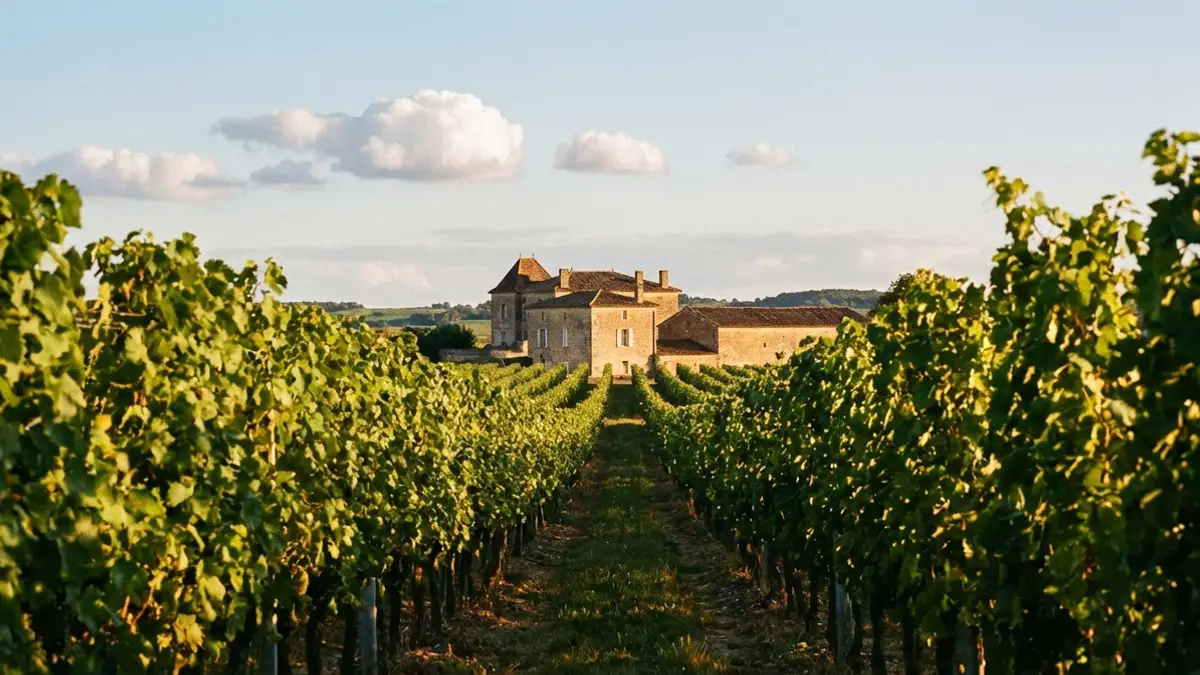
French Wine Regions: A Complete Guide
Explore the major French wine regions from Bordeaux to Provence. Understand the AOC system, signature grapes, and what makes each region unique.
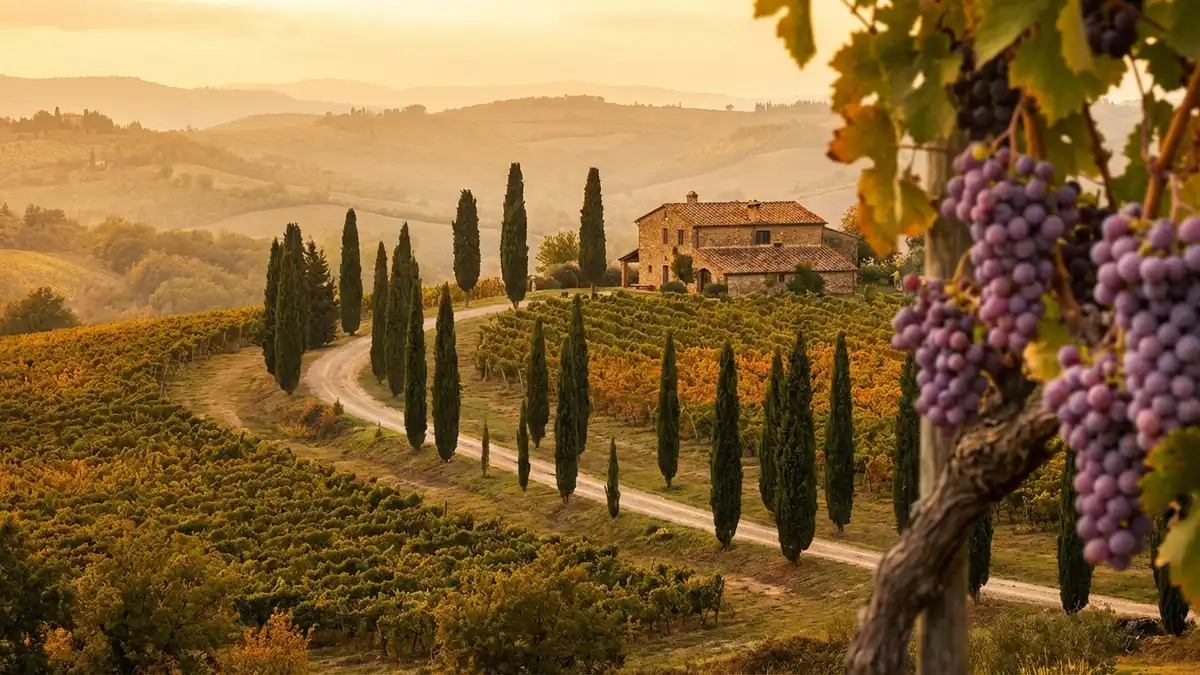
Italian Wine: From Chianti to Barolo
Discover Italian wine from north to south. Learn the key regions, native grapes, classification system, and why Italian wine and food are inseparable.
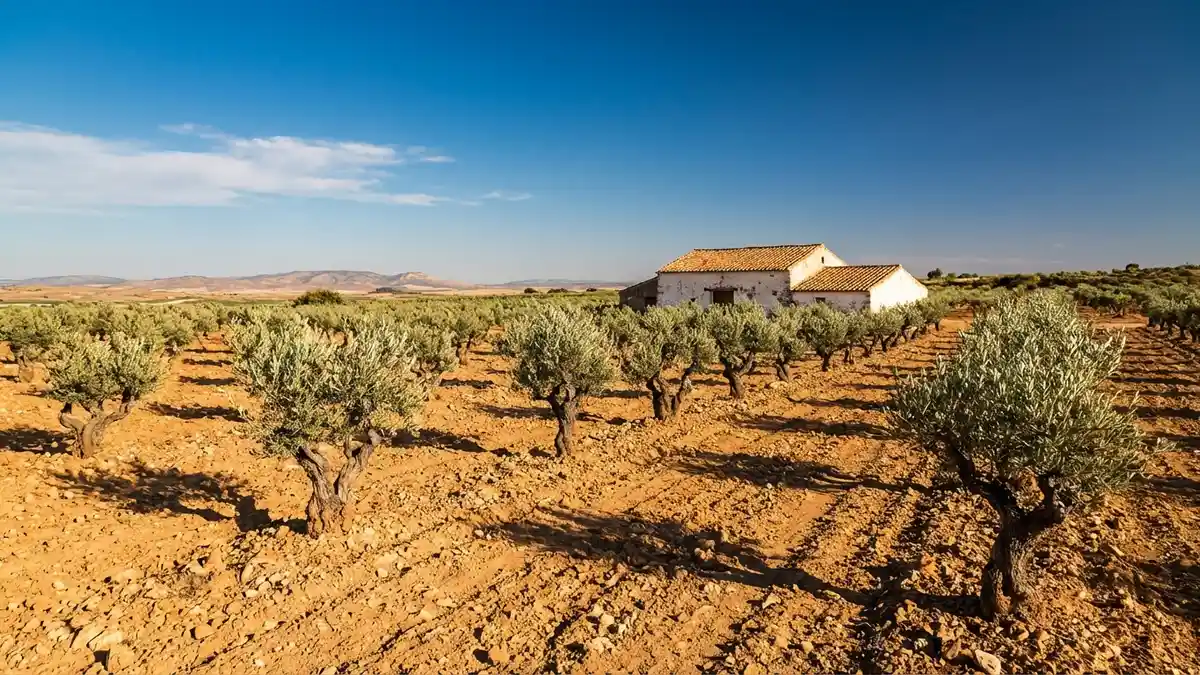
Spanish Wine Regions: From Rioja to Sherry
Explore Spain's major wine regions, from the legendary Rioja to the unique world of Sherry. Learn the DO system, key grapes, and aging classifications.