Sancerre Wine Guide: Pouilly-Fumé Side by Side, What to Buy

By the Sommy Team — AI-assisted, human-edited.
Updated Nov 3, 2026
Contents (10)
- What Is Sancerre Wine, in One Paragraph?
- Sancerre vs Pouilly-Fumé, Side by Side
- What Does Sancerre Taste Like?
- How Do the Three Soils Change a Sancerre?
- Is Pouilly-Fumé the Same as Pouilly-Fuissé?
- Is There Red or Rosé Sancerre?
- Which Sancerre Should You Buy?
- What Food Goes With Sancerre?
- How Should You Serve and Keep Sancerre?
- Taste Sancerre Against Its Neighbour Tonight
TL;DR
Sancerre is dry Sauvignon Blanc, plus some Pinot Noir red and rosé, from 3,053 hectares on the Loire's west bank. Pouilly-Fumé faces it across the river: about 1,400 hectares, white only, also Sauvignon Blanc. The soil word on a label (caillottes, terres blanches or silex) tells you more about the glass than the bank.
Sancerre wine and Pouilly-Fumé are the same grape, Sauvignon Blanc, grown on hills that face each other across the Loire river. The bank matters less than people think. The soil word on the label tells you more about what is in the glass, and Sancerre also makes a red and a rosé from Pinot Noir.
What Is Sancerre Wine, in One Paragraph?
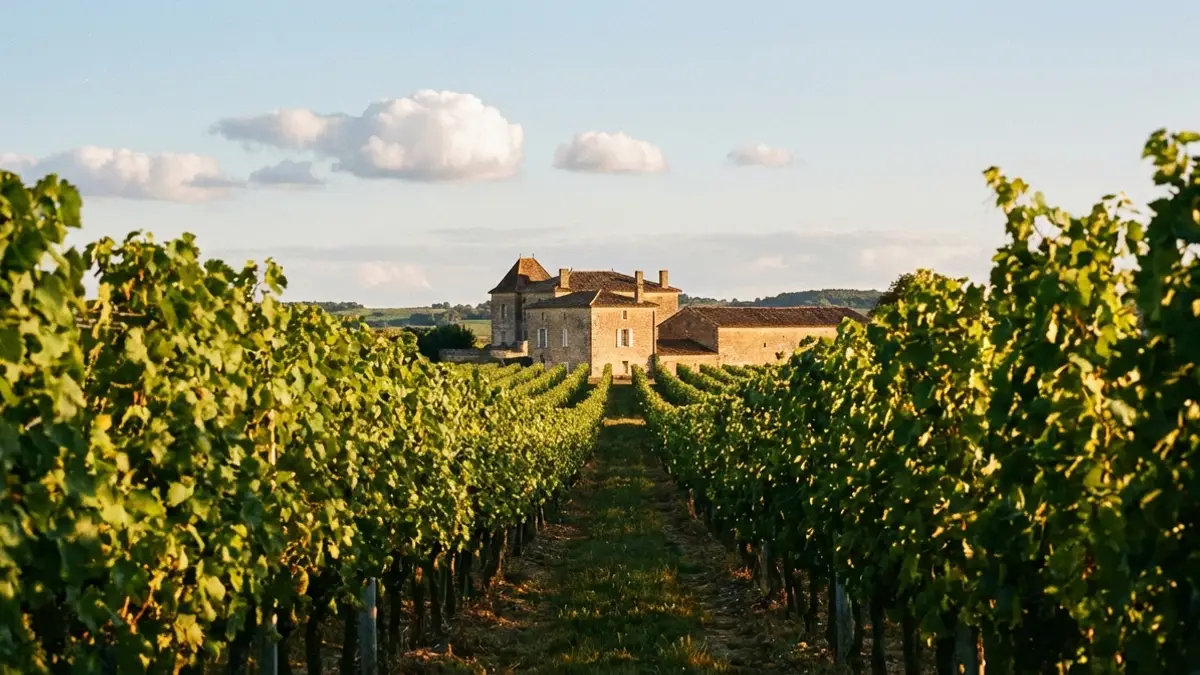
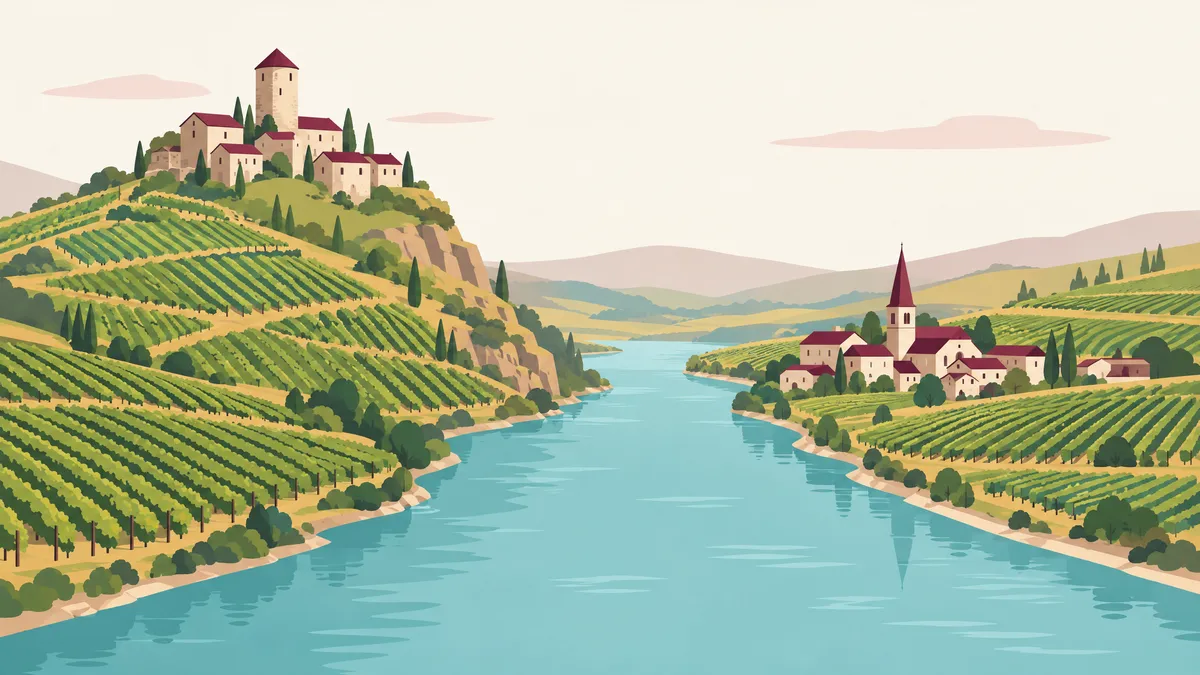
Sancerre is an appellation (a protected place name with its own rules) for wines from the hills on the west bank of the Loire, in the Centre-Loire at the eastern end of the valley. Only two grapes are allowed: Sauvignon Blanc for the white and Pinot Noir for the red and rosé. Sauvignon Blanc covers 80% of the 3,053 hectares, worked by 300 growers. The white was among France's first protected names in 1936, and it is 84% of what the area makes. Pouilly-Fumé, across the river, is white Sauvignon Blanc only. The wider valley, from Muscadet to Vouvray, is mapped in the Loire Valley wine guide.
Sancerre vs Pouilly-Fumé, Side by Side
Both are dry Sauvignon Blanc from facing banks of the same river. Sancerre is about twice the size and also makes red and rosé. Pouilly-Fumé makes only white, and more of it stays in France.
| Sancerre | Pouilly-Fumé | |
|---|---|---|
| River bank | West | East (Nièvre) |
| Grapes | Sauvignon Blanc 80%, Pinot Noir 20% of the area | Sauvignon Blanc only (Chasselas goes to Pouilly-sur-Loire) |
| Colours made | White 84%, red 10%, rosé 6% | White only |
| Vineyard area | 3,053 ha, 300 growers | 1,424 ha with Pouilly-sur-Loire, 131 growers |
| Bottles a year | 21.8 million, 71% sold abroad | 9.8 million, 46% sold abroad |
| Soils | Flint, Kimmeridgian marl, limestone | Sand, flint, Kimmeridgian marl, limestone |
| Protected since | 1936 (white), 1959 (red and rosé) | 1937 |
| Pick it if | You want the classic tart white, or a light Pinot Noir from the same hills | You want the same grape from a smaller area, or the Sancerre shelf price is too high |
Pouilly-Fumé is not a lesser Sancerre. The same grape grows on the same flint, marl and limestone on both banks. If a wine list offers both at different prices, order the cheaper one.

Quick check
One question on what you just read
A wine list has a white Sancerre and a Pouilly-Fumé. What do the two wines share?
Tap an answer to see how you did.
What Does Sancerre Taste Like?
White Sancerre is dry (no sugar you can taste), light to medium in body (weight in the mouth, like skimmed versus whole milk) and high in acidity. That tartness is the first thing to notice: a clean, sharp edge along the sides of the tongue that makes the mouth water.
The smell comes next. Expect lime and grapefruit peel, gooseberry that is still slightly green, and a cut-grass or blackcurrant-leaf edge. That green side comes from aroma compounds in the grape that stay strong in cool places like the eastern Loire. Warmer sites and riper years push the fruit toward ripe pear and passion fruit, as those green compounds fade with ripeness. Some bottles also smell of wet stone or struck match.
Set a glass of Sancerre beside a New Zealand Sauvignon Blanc and the difference is volume. The New Zealand wine smells loudly of passion fruit; the Sancerre gives citrus and grass at half the strength, with the acidity in front. How the grape behaves from Bordeaux to Marlborough is in the Sauvignon Blanc wine guide.
If a Sancerre tastes too sharp on its own, serve it with food. Salt, fat and goat cheese soften the acidity.
How Do the Three Soils Change a Sancerre?
Sancerre growers name three soils, and each is tied by local tradition to a style. Caillottes give fruity, balanced wines; terres blanches give weightier ones; silex gives the tightest wines with the longest life. A grower who puts one of these words on the label is telling you which style to expect.
- Caillottes are stony soils of limestone and gravel, mostly between the town of Sancerre and the village of Verdigny. The wines are the fruitiest and easiest young.
- Terres blanches ("white earth") are pale soils of marl (soft clay-limestone rock) that lie toward Menetou-Salon. These wines are fuller in body.
- Silex is flint, a hard, glassy stone in clay. Its wines are the leanest when young and are said to age the longest.
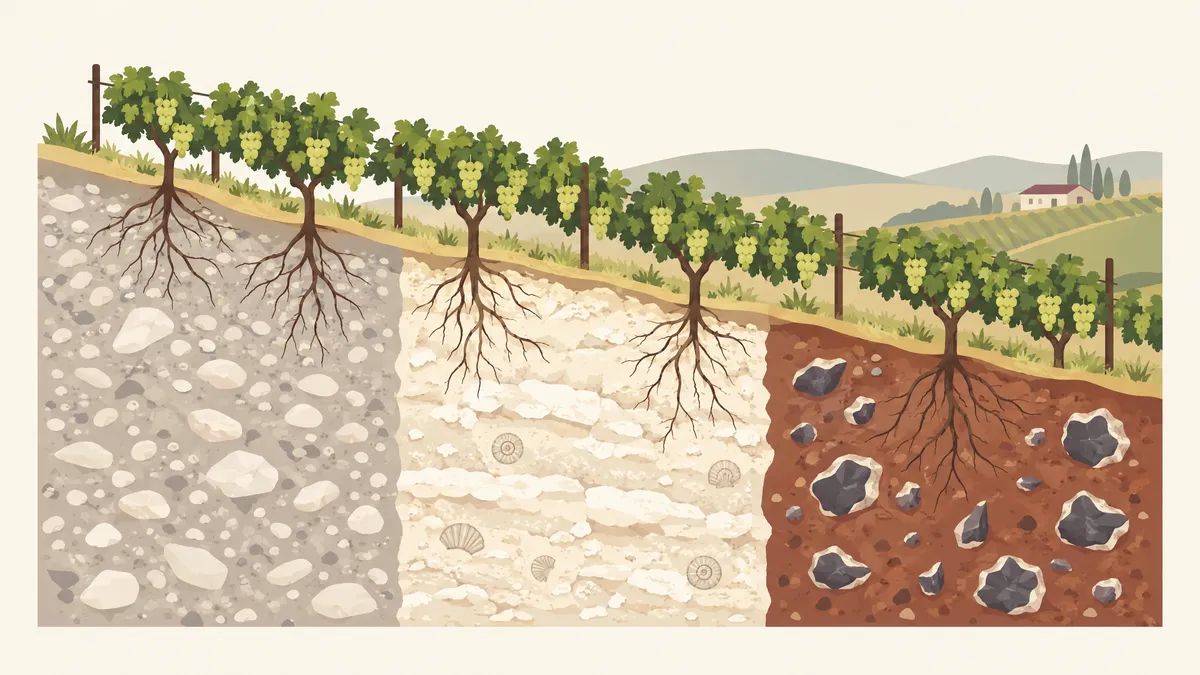
This is terroir in its simplest sense: the same grape on different ground. Keep the link loose, though. Tying the flinty, struck-match smell in some bottles to silex is a local tradition that no one has proven in the glass. The idea behind place and flavour is unpacked in what terroir tastes like.
Is Pouilly-Fumé the Same as Pouilly-Fuissé?
No. Pouilly-Fuissé is Chardonnay from the Mâconnais in southern Burgundy. Pouilly-Fumé is Sauvignon Blanc from the Loire. They share the first word and nothing else: different region, different grape, and a rounder, fuller white in the Burgundy bottle. If a shelf tag only says Pouilly, check the grape on the back label.
A third name sits on the same shelf. Pouilly-sur-Loire comes from the same villages as Pouilly-Fumé, on the east bank of the Loire, but it is made from Chasselas, a softer, lower-acid white grape. It covers about 2% of the Pouilly vineyard, so you will rarely see it.
The "Fumé" part confuses people too. Fumé means smoked in French, but where the name came from is disputed, so read it as part of a place name rather than a flavour promise. In California, Fumé Blanc is a marketing name coined by Robert Mondavi for Sauvignon Blanc, borrowed from Pouilly-Fumé. Those bottles are not from the Loire.
If the label says Fumé, expect Sauvignon Blanc. If it says Fuissé, expect Chardonnay. If it says sur-Loire, expect Chasselas.
Is There Red or Rosé Sancerre?
Yes. Pinot Noir covers 20% of the Sancerre vineyard, and reds and rosés together make 16% of what the area bottles: 10% red and 6% rosé. Both have carried the Sancerre name since 1959. Sancerre is far from white only.
Red Sancerre is light to medium in body, pale ruby, with floral and fresh-cherry aromas and gentle tannin (the drying grip on your gums). It sits closer to a light red Burgundy than to a dark, heavy red. The grape's range, from the Loire to Oregon, is covered in the Pinot Noir guide.
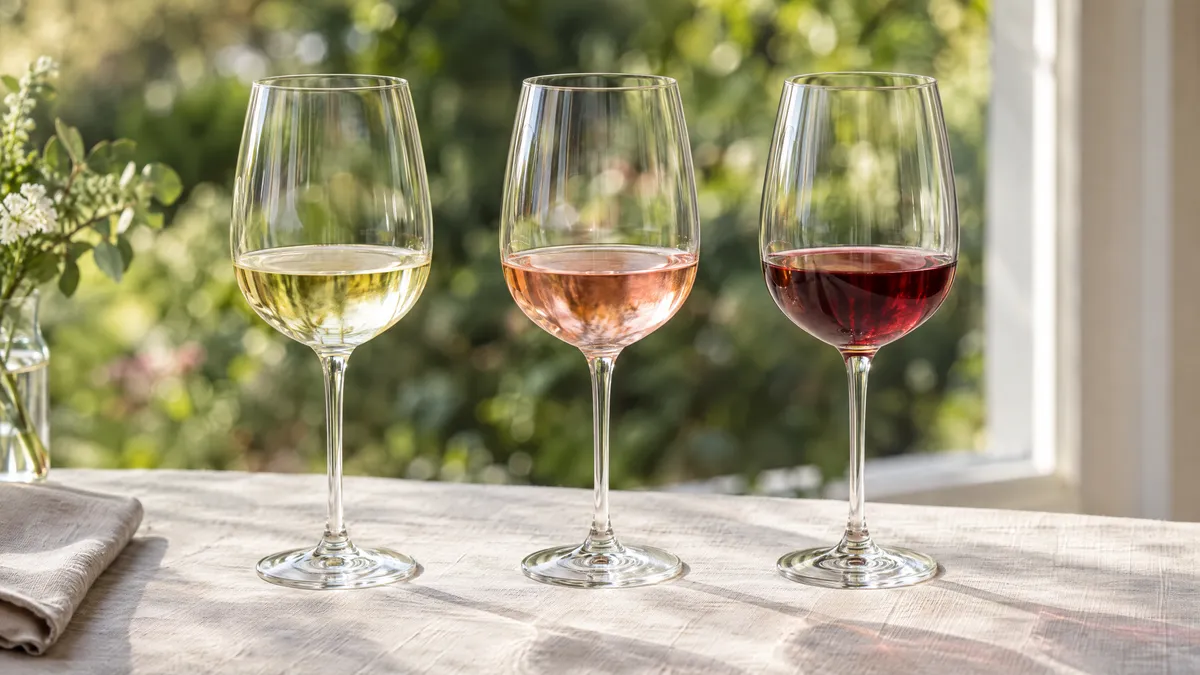
Rosé Sancerre is pale, dry and tart, made from the same Pinot Noir. It drinks best young and cold. The way rosé gets its colour is explained in the rosé wine guide.
If you like the white but want a red for the same dinner, red Sancerre is the obvious next bottle. Give it 20 to 30 minutes in the fridge first; light reds taste fresher slightly cool.
Which Sancerre Should You Buy?
Buy by the words on the label. A soil name or a village name tells you more than the word Sancerre alone, which covers 3,053 hectares of different slopes, soils and growers. Check both the front and the back label for these words.
- If it names silex, expect a leaner, tighter white that can keep for several years.
- If it names terres blanches, expect a fuller white for food.
- If it names caillottes, expect the fruitiest style to open now.
- If it names a village such as Bué, Chavignol or Ménétréol-sous-Sancerre, it is one of the best-known spots, and you will usually pay more.
Sancerre's price follows its fame. A 3,053-hectare area sells 21.8 million bottles a year, 71% of them abroad. If the price is the obstacle, try Pouilly-Fumé first, then Menetou-Salon, Sancerre's south-western neighbour. Its white is made entirely from Sauvignon Blanc and its red and rosé from Pinot Noir, in a similar dry, tart style.
Pick the most recent vintage for an everyday white. The front and back of a French label are decoded in how to read a wine label, and the rest of the country's map is in French wine regions.
What Food Goes With Sancerre?
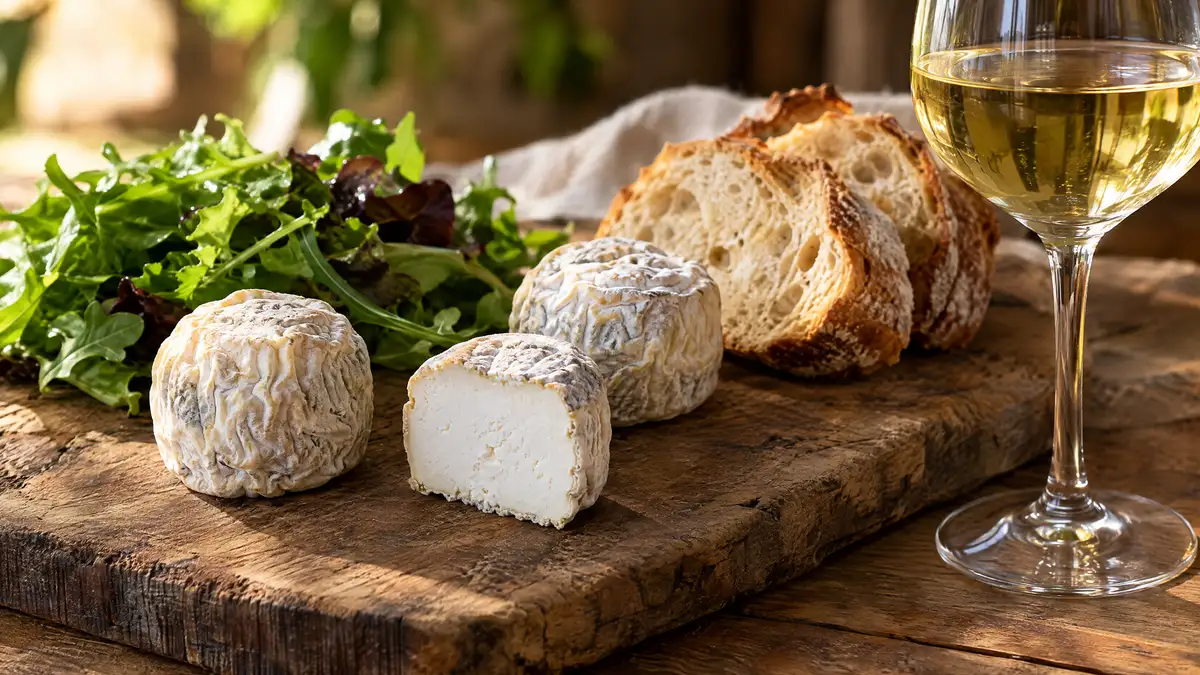
Goat cheese comes first. Crottin de Chavignol, a small goat cheese made around the Sancerre village of Chavignol and protected since 1976, is the local match. The wine's acidity cuts through the cheese's fat, and the cheese's salt makes the wine taste fruitier.
Match the wine to what is on the plate:
- Fresh or aged goat cheese: white Sancerre, because acid meets fat and salt. Fresh, ash-coated and aged styles are compared in wine with goat cheese.
- Oysters and shellfish: white Sancerre, because the tartness works like a squeeze of lemon on brine. More options in wine with oysters.
- Green salad with vinaigrette: white Sancerre, because a low-acid wine tastes flat beside vinegar.
- Grilled white fish with herbs: white Sancerre or Pouilly-Fumé.
- Salmon, roast chicken or mushrooms: red Sancerre, lightly chilled, because its low tannin will not clash with oily fish.
How Should You Serve and Keep Sancerre?
Serve white Sancerre well chilled, straight from the fridge, and the rosé the same. Red Sancerre takes the short fridge spell given in the red section, so it pours cool rather than cold. The exact ranges by style are in the wine serving temperature chart.
Most white Sancerre is made to drink young, while the citrus and grass are at their brightest. Silex bottles are the exception: they are the ones to keep for a few years. If the label names flint and the wine tastes tight, buy two and open the second a couple of years later.
A standard white-wine glass works. Fill it a third full and keep the bottle in the fridge or an ice bucket between pours.
Taste Sancerre Against Its Neighbour Tonight
Open a white Sancerre and a Pouilly-Fumé, both from the most recent vintage, and pour them side by side. Smell each for citrus, grass and struck match, then sip and count how long the mouth keeps watering. Sommy's AI-guided tasting mode at sommy.wine walks you through look, smell and taste for each glass after you photograph the label, and saves both sets of notes to your tasting journal. Its bite-sized France course places both wines on the map, and the wine regions hub gathers the rest. Write down which bank won before the bottles are finished.
Sources
Frequently Asked Questions
Is Sancerre a Sauvignon Blanc?
White Sancerre is always Sauvignon Blanc. The appellation rules allow only two grapes: Sauvignon Blanc for the white and Pinot Noir for the red and rosé. Sauvignon Blanc covers 80% of the vineyard area and white wine is 84% of what Sancerre produces, so a bottle labelled simply Sancerre is usually the dry white.
Is Sancerre dry or sweet?
Sancerre is a dry wine, meaning there is no sugar you can taste. It feels light to medium in body with high acidity, the tartness that makes your mouth water, which some drinkers mistake for sharpness. Its fruit smells of lime, grapefruit and gooseberry, and fruity smell is not the same as sweetness. Look elsewhere in the Loire if you want a sweet white.
What is the difference between Sancerre and Pouilly-Fumé?
Both are dry Sauvignon Blanc from the eastern Loire, facing each other across the river. Sancerre sits on the west bank, covers 3,053 hectares and also makes red and rosé from Pinot Noir. Pouilly-Fumé sits on the east bank, covers 1,424 hectares with its neighbour Pouilly-sur-Loire, and makes only white. In the glass the soil and the grower matter more than the bank.
Is Pouilly-Fumé the same as Pouilly-Fuissé?
No. Pouilly-Fumé is Sauvignon Blanc from the Loire Valley. Pouilly-Fuissé is Chardonnay from the Mâconnais in southern Burgundy, a different region with a different grape and a rounder, fuller style. A third name, Pouilly-sur-Loire, is a small white from the same villages as Pouilly-Fumé but made from Chasselas. Read the second word of the name before you buy.
Is there red Sancerre?
Yes. Pinot Noir covers 20% of the Sancerre vineyard, and red wine is 10% of production, with rosé another 6%. Red Sancerre has been a protected name since 1959. It is light to medium in body with floral, fresh-cherry aromas, closer in weight to a light Burgundy than to a deep, dark red, and it takes a short chill well.
What food goes with Sancerre?
Goat cheese is the classic match, especially Crottin de Chavignol, a small goat cheese made around a Sancerre village. The wine's acidity cuts through the cheese's chalky richness. White Sancerre also works with oysters, grilled white fish, green salads with vinaigrette and herby dishes. Red Sancerre suits salmon, roast chicken and mushroom dishes, where a heavier red would swamp the food.
Why is Sancerre expensive?
Demand runs well ahead of a small vineyard. Sancerre covers 3,053 hectares yet sells about 21.8 million bottles a year, 71% of them abroad in 142 countries. A famous name from a fixed area holds its price. If cost is the problem, Menetou-Salon next door makes white wine entirely from Sauvignon Blanc in a similar dry, tart style.
Sommy Team
LinkedInFounder & Wine Educator
The Sommy Team is building the world's most approachable wine education app, helping beginners develop real tasting skills through structured courses and AI-guided practice.