Napa Valley Sub-AVAs: Oakville, Rutherford, Stags Leap, and More

By the Sommy Team — AI-assisted, human-edited.
Updated Jul 23, 2026
Contents (9)
- What Are Napa Valley Sub-AVAs?
- Napa Valley Sub-AVAs, in One Paragraph
- How the Nested AVA System Works
- The Single Most Useful Split: Valley Floor vs Mountain
- The Cool South: Los Carneros, Coombsville, and Stags Leap District
- A Napa Valley Sub-AVAs Comparison
- How to Read a Napa Sub-AVA on the Label
- How a Beginner Should Explore Napa's Sub-AVAs
- Why the Sub-AVAs Are Worth Learning
TL;DR
Napa Valley packs 16 nested sub-AVAs into one 30-mile valley, and each one shapes the Cabernet Sauvignon in your glass. Valley-floor AVAs like Oakville and Rutherford give plush, rich reds, while mountain AVAs like Howell Mountain and Mount Veeder build firmer, more structured wines from thin volcanic soils above the fog line.
What Are Napa Valley Sub-AVAs?
The Napa Valley sub-AVAs are the 16 smaller, officially recognized wine regions nested inside the larger Napa Valley appellation. Napa Valley is only about 30 miles long, yet it holds a remarkable range of climates, soils, and elevations — and rather than treat it as one uniform place, the wine world has carved it into distinct pockets. Each sub-AVA, from valley-floor Oakville and Rutherford to mountaintop Howell Mountain, has its own personality, and learning them turns a Napa label from a name into a prediction of what is in the glass.
Napa Valley Sub-AVAs, in One Paragraph
Napa Valley is a single AVA established in 1981, and inside it sit 16 nested sub-AVAs approved between 1983 and 2011. The clearest way to organize them is by geography: warm valley-floor AVAs (Oakville, Rutherford, St. Helena, Calistoga, Yountville, Oak Knoll District) make plush, ripe Cabernet Sauvignon; high mountain AVAs (Howell Mountain, Mount Veeder, Spring Mountain District, Diamond Mountain District, Atlas Peak) grow on thin volcanic soils above the fog and make firmer, more tannic reds; and cooler edge AVAs (Los Carneros, Coombsville, Wild Horse Valley, Chiles Valley) plus the distinctive Stags Leap District add acidity and, in Carneros, top Pinot Noir and Chardonnay.
How the Nested AVA System Works
An AVA (American Viticultural Area) is a legally defined grape-growing region in the United States, delimited by geography rather than by quality. The Napa Valley AVA was established on January 28, 1981 — the nation's second AVA — and covers roughly 47,000 planted acres and around 475 wineries, according to the trade body Napa Valley Vintners.
Inside that boundary, growers petitioned for smaller, more specific appellations that captured meaningful differences in terroir — the full environment where grapes grow, including soil, climate, slope, and elevation. The first to be approved was Howell Mountain in December 1983; the most recent was Coombsville in 2011. Together they form the 16 sub-AVAs.
Two labeling rules make the system readable:
- The 85 percent rule. For a sub-AVA name like Oakville or Rutherford to appear on a label, at least 85 percent of the grapes must come from within that sub-AVA's boundaries. This is a federal rule enforced by the Alcohol and Tobacco Tax and Trade Bureau (TTB).
- Conjunctive labeling. California law requires that any Napa County sub-AVA on a label also display "Napa Valley." That is why you so often see two place names stacked — "Oakville, Napa Valley" — rather than one.
If the idea of place-based labeling is new to you, our guide to what terroir means explains why a vineyard's location shows up in the glass, and how to read a wine label walks through decoding the rest of the bottle.
The Single Most Useful Split: Valley Floor vs Mountain
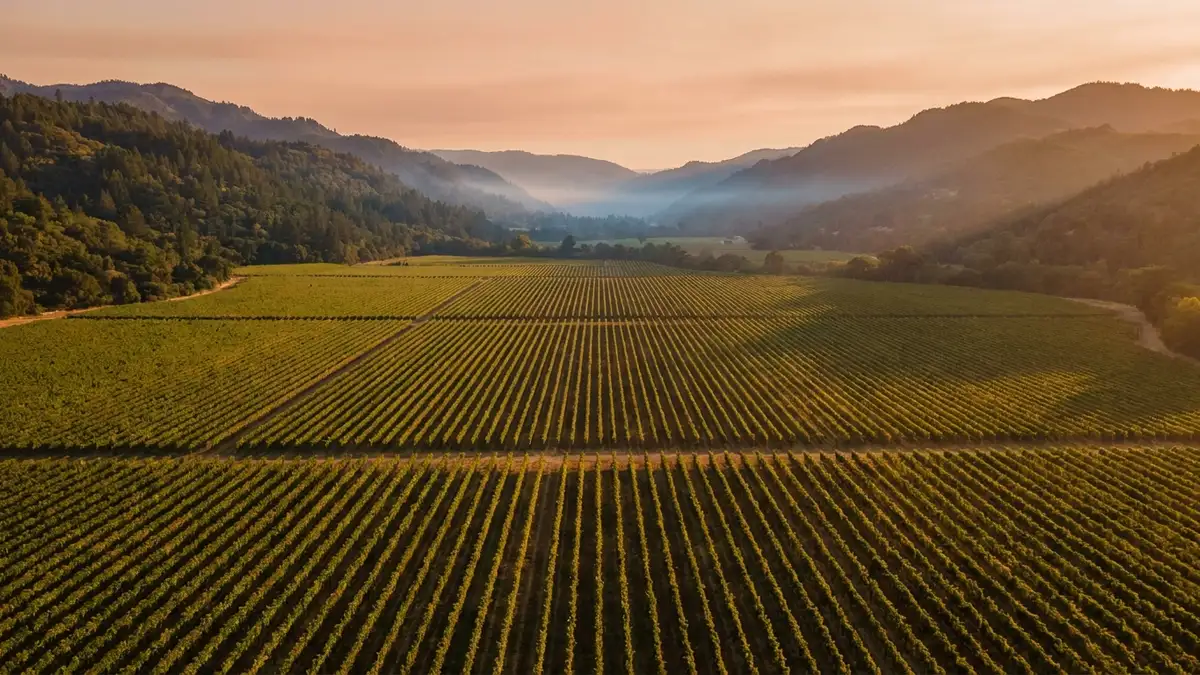
If you remember only one thing about Napa's sub-AVAs, make it this: valley floor and mountain make genuinely different wines. The valley floor is a bed of deep, fertile alluvial soil washed down over millennia; the mountains flanking it — the Mayacamas to the west and the Vaca Range to the east — are thin, rocky, and volcanic. Vines respond directly to that difference.
- Valley floor: deeper soils, warmer nights, higher yields, riper fruit. The reds are plush, generous, and rich, with softer tannins and immediate appeal.
- Mountain: poor soils, cooler nights, thinner air above the fog, lower yields, smaller berries. The reds are firmer, more concentrated, and more tannic — built to age.
This one axis explains most of what you will taste. The rest is refinement.
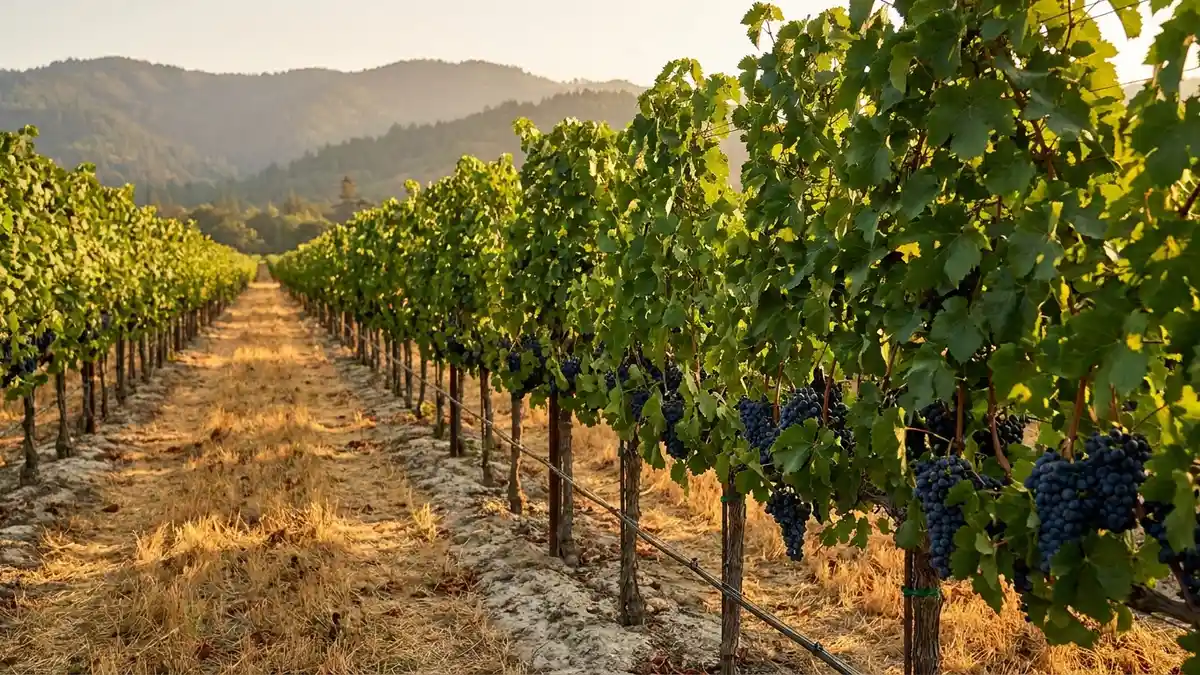
Valley-Floor AVAs: Oakville, Rutherford, and the Benchmark Cabernets
The heart of Napa's fame is a run of valley-floor AVAs down the middle of the valley, and two of them — Oakville and Rutherford, both approved in 1993 — set the standard for California Cabernet Sauvignon, the region's flagship grape.
Oakville leans toward power and polish: dense blackcurrant and black cherry, firm but ripe tannins (the drying, gripping sensation in red wine), and long structure. It is home to some of Napa's most storied vineyard land. Rutherford, just north, is famous for a signature dusty, cocoa-edged tannin — the character behind the much-repeated line, often credited to the pioneering winemaker André Tchelistcheff, that "it takes Rutherford dust to grow great Cabernet."
The other floor AVAs each shade the theme:
- St. Helena: one of the warmest spots in the valley, giving broad, ripe, fleshy reds.
- Calistoga: the hot northern end, with volcanic soils and bold, concentrated wines.
- Yountville: cooler and breezier, producing structured Cabernet with a touch more restraint.
- Oak Knoll District: the coolest floor AVA at the southern end, showing brighter acidity and even good white wine.
To go deeper on the grape that made all of this famous, see the Cabernet Sauvignon wine guide, and to feel how it differs from its softer blending partner, compare Cabernet Sauvignon vs Merlot.
Mountain AVAs: Howell Mountain, Mount Veeder, and Wines Built on Elevation
Climb into the hills and the wines change character entirely. Napa's mountain AVAs sit largely above the fog line, so the vines get more sunlight during the day and cooler, clearer nights — a combination that thickens grape skins and concentrates flavor and tannin.
- Howell Mountain: Napa's first sub-AVA (1983), on red volcanic and white volcanic-ash soils above roughly 1,400 feet. Deeply structured, powerful, age-worthy Cabernet.
- Mount Veeder: the largest and one of the coolest mountain AVAs, high on the Mayacamas, with rugged soils, tiny yields, and firm, savory, long-lived reds.
- Spring Mountain District: forested and west-facing, giving perfumed, structured wines with mountain grip.
- Diamond Mountain District: volcanic soils in the northern Mayacamas, producing dark, dense, tannic Cabernet.
- Atlas Peak: high on the eastern Vaca Range, cooler and later-ripening, with bright acidity beneath the structure.
Mountain reds ask for a little patience, but they reward it. Their firmer tannins soften over years in the bottle, and their concentration keeps them lively long after many valley-floor wines have peaked.

The Cool South: Los Carneros, Coombsville, and Stags Leap District
Not all of Napa is about big Cabernet. The southern and eastern edges of the valley are cooled by fog and breezes pulled in from San Pablo Bay, and they make some of Napa's most food-friendly wines.
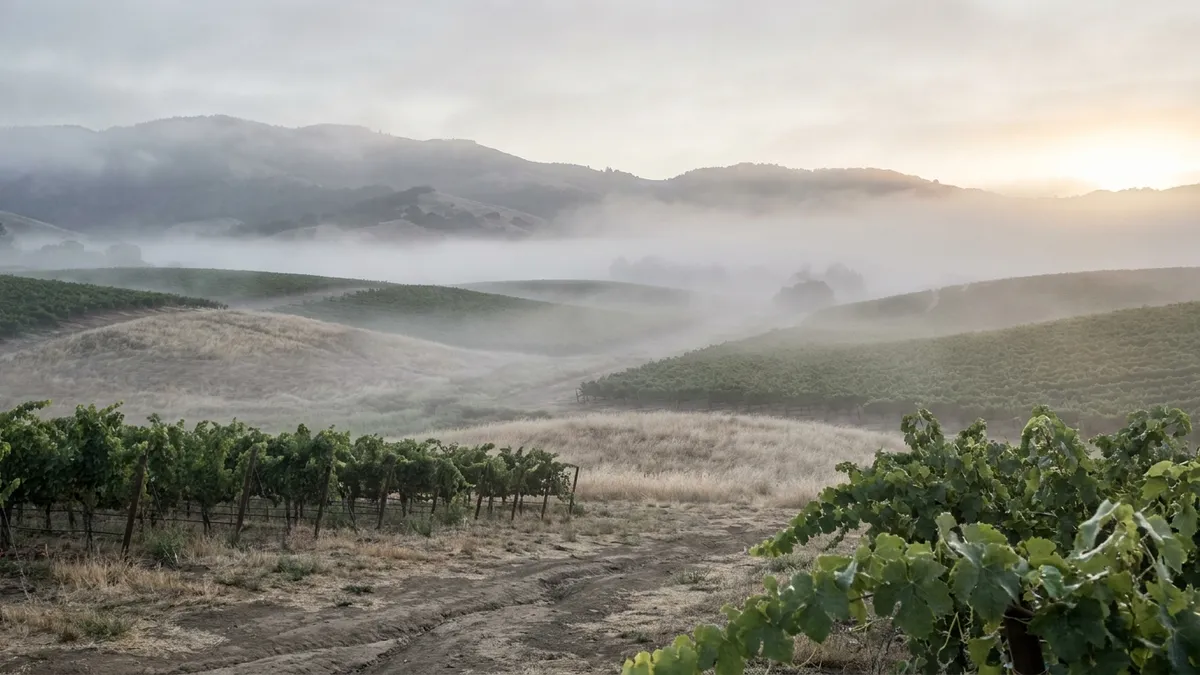
- Los Carneros (established 1983, and shared with neighboring Sonoma): the coolest, windiest AVA, spread across low rolling hills at the valley's mouth. This is Napa's home for Pinot Noir and Chardonnay, plus sparkling wine, rather than powerhouse reds.
- Coombsville: Napa's newest sub-AVA (2011), an amphitheater of vineyards east of the city of Napa on volcanic soils, giving Cabernet with a cooler, fresher, more elegant profile.
- Stags Leap District: a small, celebrated AVA on the eastern bench, where afternoon winds off the bay moderate the heat. Its reds are famous for a "velvet fist in an iron glove" balance — supple texture over a firm core. In the 1976 Judgment of Paris, a Cabernet grown in what is now the Stags Leap District beat First-Growth Bordeaux in a blind tasting, the result that first told the world Napa could make serious wine.
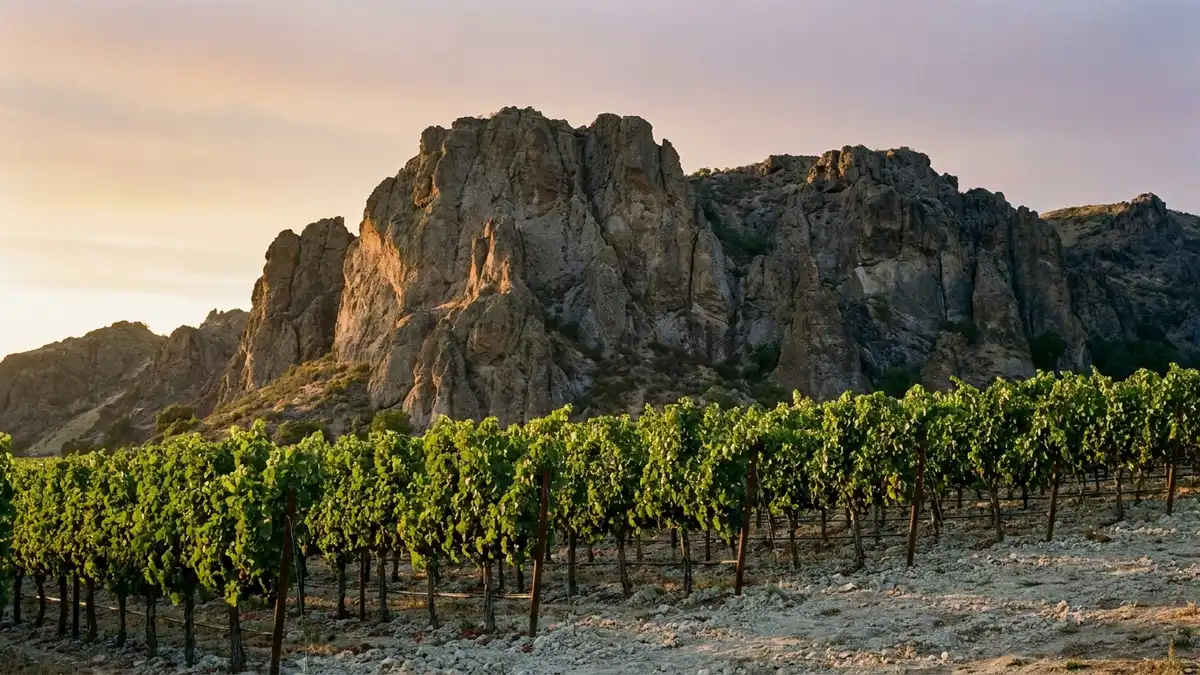
Two smaller, cooler outliers round out the sixteen: Wild Horse Valley, a tiny, wind-scoured AVA on the eastern rim, and Chiles Valley, a remote upland pocket in the Vaca Range that ripens later than the main valley.
For the cool-climate grapes that thrive in Carneros, the Chardonnay wine guide is a natural next read, and the broader question of how climate shapes all of this is covered in Old World versus New World wine.
A Napa Valley Sub-AVAs Comparison
The full sixteen can feel like a lot, so here are the marquee AVAs side by side. Reading across, you can see how zone and elevation translate into style.
| Sub-AVA | Zone | Signature style |
|---|---|---|
| Oakville | Valley floor | Powerful, polished Cabernet — dense dark fruit, firm ripe tannin |
| Rutherford | Valley floor | Dusty, cocoa-edged Cabernet with grippy 'Rutherford dust' tannin |
| Stags Leap District | Eastern bench | Supple texture over a firm core — the 'velvet fist in an iron glove' |
| Howell Mountain | Mountain | Deep, structured, age-worthy volcanic-soil Cabernet |
| Mount Veeder | Mountain | Rugged, savory, long-lived reds from tiny mountain yields |
| Los Carneros | Cool south | Pinot Noir, Chardonnay, and sparkling — brighter and cooler |
How to Read a Napa Sub-AVA on the Label
Once you know the map, a Napa label starts telling you something. The broadest name is plain Napa Valley — grapes from anywhere in the valley, usually blended for a consistent house style. A narrower sub-AVA name signals more specific origin and, generally, more ambition.
Work outward from the place name:
- "Napa Valley" alone points to a valley-wide wine, often a blend across sites and a reliable introduction to the region.
- A floor AVA (Oakville, Rutherford, St. Helena) signals plush, ripe, generous reds meant to show well relatively young.
- A mountain AVA (Howell Mountain, Mount Veeder, Diamond Mountain District) signals firmer, more tannic wines with real aging potential.
- A cool-south AVA (Los Carneros, Coombsville) signals fresher, higher-acid wines, and in Carneros often Pinot Noir or Chardonnay rather than Cabernet.
Remember conjunctive labeling: the sub-AVA and "Napa Valley" appear together, so "Rutherford, Napa Valley" is one wine from one place, not two.
Sommy turns these contrasts into guided practice — naming the aromas, scoring the tannin and acidity, and building the vocabulary to describe what you sense. You can start practicing free at sommy.wine, then bring the method to your next glass of Napa Cabernet.
How a Beginner Should Explore Napa's Sub-AVAs
You do not need a cellar full of rare bottles to learn Napa's sub-AVAs — you need a deliberate tasting order that lets the differences speak. A practical path:
- Start on the valley floor. A Cabernet labeled Oakville or Rutherford shows the plush, dark-fruited style that made Napa famous. This is the reference point everything else compares against.
- Then climb the mountain. Open a Howell Mountain or Mount Veeder red next to it. Notice how the tannin tightens, the fruit concentrates, and the finish grows longer and firmer. Same grape, opposite terroir.
- Cool it down. Try a Los Carneros Pinot Noir or Chardonnay to feel how the same valley, at its foggy southern mouth, makes something completely different.
- Taste with attention. Note color, aroma, and structure each time so the patterns stick. Our step-by-step method in how to taste wine gives you the framework, and the deeper Napa Valley wine guide sets these AVAs in the context of the whole region.
Do this two or three times and the map stops being abstract. You begin to predict, before the first sip, whether a wine will lean plush or firm — which is exactly the skill that makes wine more fun to drink.
Why the Sub-AVAs Are Worth Learning
Napa can look like a single luxury brand from the outside, but its 16 sub-AVAs are the real story — the reason one small valley makes such a wide range of wine. Fix the geography in your head, and the logic follows: soil and elevation set the style, the style shows up in the glass, and the label tells you which to expect before you open it.
Start with a valley-floor Cabernet, set a mountain red beside it, and let the contrast teach you. The Sommy app is built to make that habit stick, turning each bottle into a short, guided lesson so the next Napa wine you open is a little clearer than the last.
Sources
Frequently Asked Questions
What are the sub-AVAs of Napa Valley?
Napa Valley contains 16 nested sub-AVAs, including Oakville, Rutherford, Stags Leap District, St. Helena, Calistoga, Yountville, and Oak Knoll District on or near the valley floor; Howell Mountain, Mount Veeder, Spring Mountain District, Diamond Mountain District, and Atlas Peak in the hills; and cooler Los Carneros, Coombsville, Wild Horse Valley, and Chiles Valley toward the edges.
How many AVAs are in Napa Valley?
There are 16 nested sub-AVAs inside the larger Napa Valley AVA, which itself was established in 1981 as the nation's second American Viticultural Area. The most recent addition was Coombsville, approved in 2011. Each sub-AVA has its own soil, elevation, and climate, which is why one 30-mile valley produces so many different wine styles.
What is the difference between Oakville and Rutherford?
Both are neighboring valley-floor AVAs famous for Cabernet Sauvignon, but the styles differ. Oakville tends toward power and polish, with dense dark fruit and firm structure. Rutherford is known for a signature dusty, cocoa-edged tannin — the character behind the old line that it takes 'Rutherford dust' to grow great Cabernet. Tasted side by side, the contrast is subtle but real.
What was Napa Valley's first sub-AVA?
Howell Mountain was Napa Valley's first sub-AVA, established in December 1983. It sits above the valley fog line on volcanic soils, roughly 1,400 feet up, and is known for powerful, deeply structured mountain Cabernet Sauvignon. Its early approval helped set the template for the mountain-versus-valley-floor distinction that still organizes how people understand Napa today.
Are Napa mountain AVAs better than valley-floor AVAs?
Neither is better — they make different wines. Mountain AVAs like Mount Veeder and Howell Mountain grow on thin, poor volcanic soils above the fog, producing lower yields and firmer, more tannic, age-worthy reds. Valley-floor AVAs like Oakville and Rutherford sit on deeper alluvial soils and give plusher, richer, more immediately approachable wines. The best choice depends on the style you want.
Do Napa sub-AVAs have to say Napa Valley on the label?
Yes. Under California's conjunctive labeling law, any wine that names a Napa County sub-AVA such as Oakville or Stags Leap District must also display 'Napa Valley' on the label. That is why you see two place names stacked together. Federally, at least 85 percent of the grapes must come from the named sub-AVA for it to appear at all.
Sommy Team
LinkedInFounder & Wine Educator
The Sommy Team is building the world's most approachable wine education app, helping beginners develop real tasting skills through structured courses and AI-guided practice.