Listán Negro: The Canary Islands' Volcanic Red Grape

By the Sommy Team — AI-assisted, human-edited.
Updated Jun 17, 2026
Contents (10)
- What Is Listán Negro Wine?
- Listán Negro Canary Islands Wine: The Quick Answer
- Where Listán Negro Grows: The Volcanic Canary Islands
- Listán Negro Tasting Notes and Flavor Profile
- Ungrafted Vines and the Pre-Phylloxera Miracle
- Cordón Trenzado: The Braided Vines of Tenerife
- Listán Negro vs País, Listán Prieto, and Mission
- Understanding Listán Negro's Structure
- How to Serve and Pair Listán Negro
- Why Listán Negro Belongs on Your Tasting List
TL;DR
Listán Negro is the signature red grape of the Canary Islands, grown mostly on Tenerife in volcanic soil on ungrafted, phylloxera-free old vines. It makes light-to-medium reds with red fruit, smoky ash, dried herb, and black pepper, plus fresh acidity and fine tannin.
What Is Listán Negro Wine?
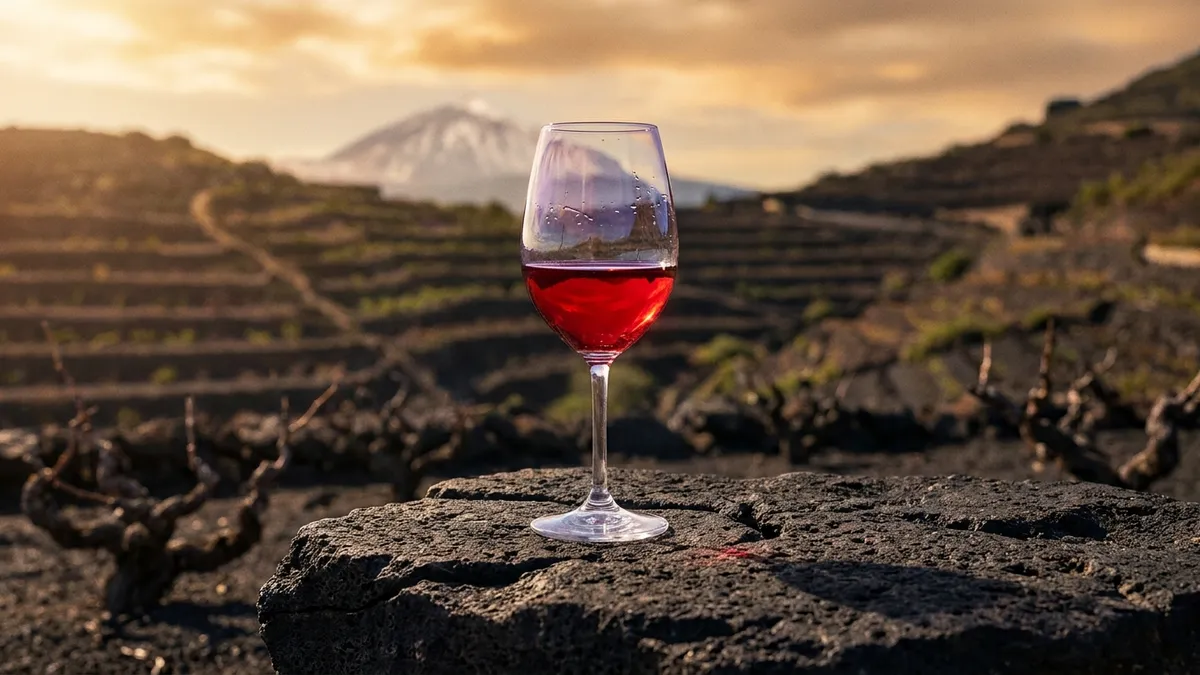
Listán Negro is the signature red grape of the Canary Islands, the Spanish archipelago floating in the Atlantic off the coast of northwest Africa. The story of Listán Negro Canary Islands wine is a story of volcanoes: these vines grow in black, ash-rich soil on the slopes of Mount Teide, Spain's tallest peak at 3,715 meters, often at altitudes between 300 and 1,000 meters. Tenerife is the grape's heartland, home to several thousand hectares of plantings.
What sets it apart is its purity of place. Most vines are ungrafted and phylloxera-free, many over a century old, producing light-to-medium reds with bright red fruit, a haunting smoky minerality, and fresh acidity. It is one of the most distinctive volcanic reds in the wine world.
Listán Negro Canary Islands Wine: The Quick Answer
Listán Negro is a red grape grown almost exclusively on the Canary Islands, with Tenerife as its heartland. It produces light-to-medium-bodied reds, typically 12–13.5% alcohol, marked by red cherry and raspberry fruit, a smoky, ashy volcanic minerality, dried herb, and black pepper, all framed by fresh acidity and fine tannin. Because the phylloxera louse never reached the islands, vines are ungrafted and often more than 100 years old, frequently trained in a braided ground system called cordón trenzado. It is a close cousin of Listán Prieto, the grape that became País in Chile and Mission in California.
Where Listán Negro Grows: The Volcanic Canary Islands
The Canary Islands sit roughly 100 kilometers off the Moroccan coast, closer to Africa than to mainland Spain. Volcanic eruptions built every island from the seabed up, leaving behind black basalt, porous lava gravel, and fine volcanic ash known locally as picón. This soil drains fast, holds nighttime coolness, and gives the wines their signature smoky, mineral character.
Tenerife is the grape's stronghold, with five separate denominations of origin (DO) spread across one island. The most important for Listán Negro include:
- Tacoronte-Acentejo — The first DO on Tenerife, on the cooler, greener north coast. Produces fresh, aromatic, savory reds.
- Valle de la Orotava — A high, steep valley famous for spectacular cordón trenzado braided vines. Elegant, perfumed reds.
- Ycoden-Daute-Isora — Northwest Tenerife, high altitude. Wines with vivid acidity and pronounced volcanic smokiness.
- Abona and Valle de Güímar — Southern, drier zones at extreme altitudes, sometimes above 1,000 meters.
Beyond Tenerife, Listán Negro also grows on Lanzarote, where vines sit in individual pits dug into black ash and shielded by curved stone walls, on La Palma, and on Gran Canaria. Each island stamps its own volcanic accent on the grape.
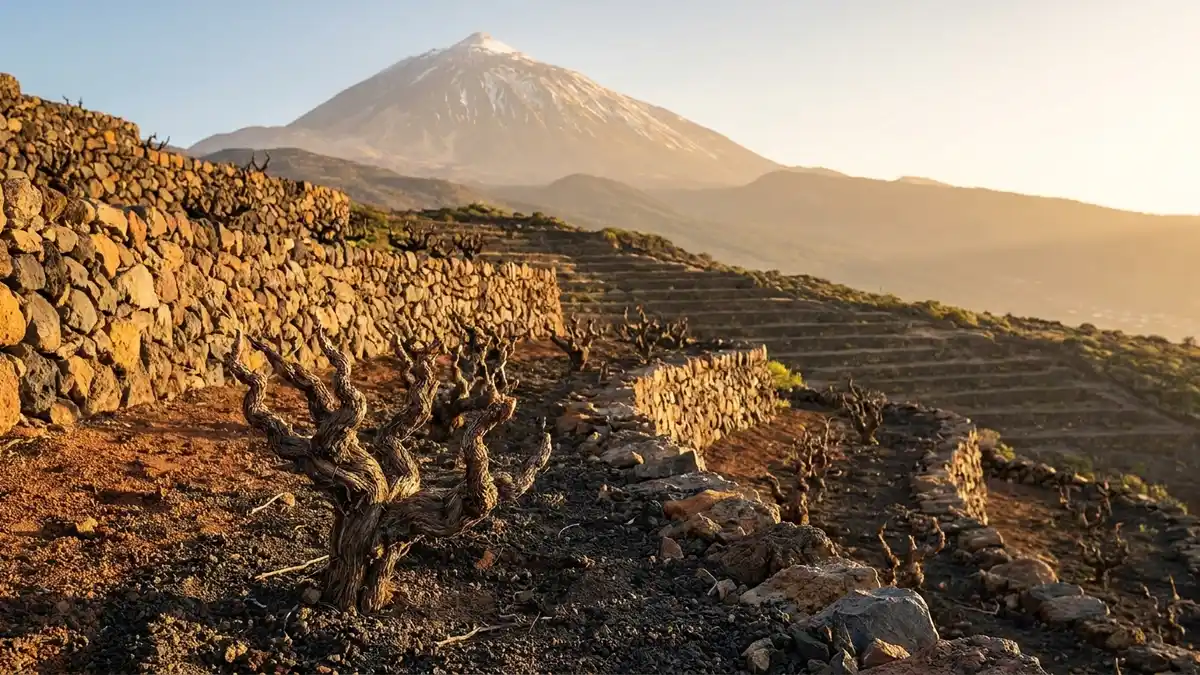
High-Altitude Island Viticulture
Growing wine on a volcano in the middle of the Atlantic is not easy. The vines contend with strong trade winds, scarce flat land, and intense sun tempered by altitude and ocean breezes. Growers carve terraces into steep slopes and train vines low or braided to dodge the wind.
The payoff is terroir (the environment where grapes grow — soil, climate, altitude) in its rawest form. Cool nights at elevation preserve the grape's natural acidity, while the porous volcanic soil pushes that smoky, ashy minerality straight into the glass. To understand why place matters this much, see our guide on what terroir really means.
Listán Negro Tasting Notes and Flavor Profile
Listán Negro is not a heavy, brooding red. It is bright, savory, and energetic — closer in spirit to a cool-climate Pinot Noir or a Chilean País than to a sun-baked, oaky New World red. The volcanic stamp is what makes it unforgettable.
Typical aromas: red cherry, raspberry, pomegranate, smoky ash, wet volcanic stone, dried thyme, black pepper, and a faint cured-meat savoriness.
On the palate, the wine stays light on its feet. The fruit is red rather than black, the texture silky, and the finish dry and mineral.
- Body: light to medium (2–3/5)
- Acidity: high (4/5)
- Tannins: low to medium, fine-grained (2/5)
- Sweetness: bone-dry (1/5)
- Alcohol: moderate, typically 12–13.5%
The Smoky Volcanic Signature
The defining feature is that smoky, ashy note — sometimes described as gunflint, struck match, or charred earth. This is the volcanic soil expressing itself, and it is the single biggest reason wine lovers seek the grape out. It pairs naturally with the bright red fruit, creating a savory-sweet tension that keeps each sip interesting.
The Color in the Glass
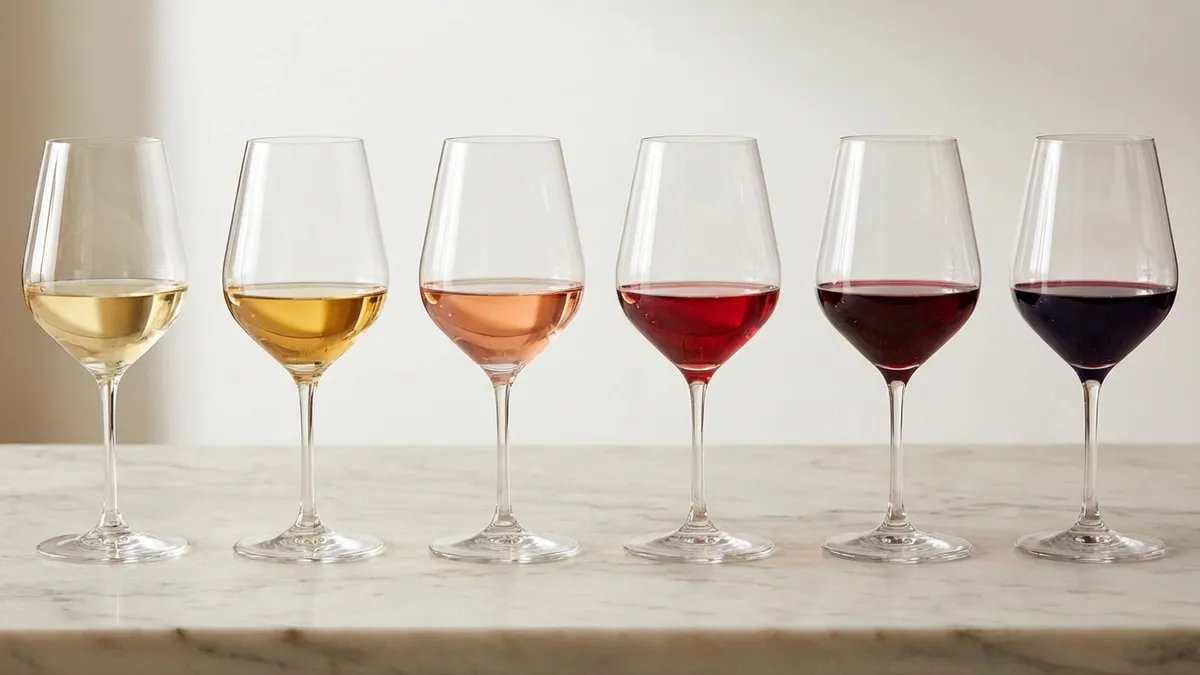
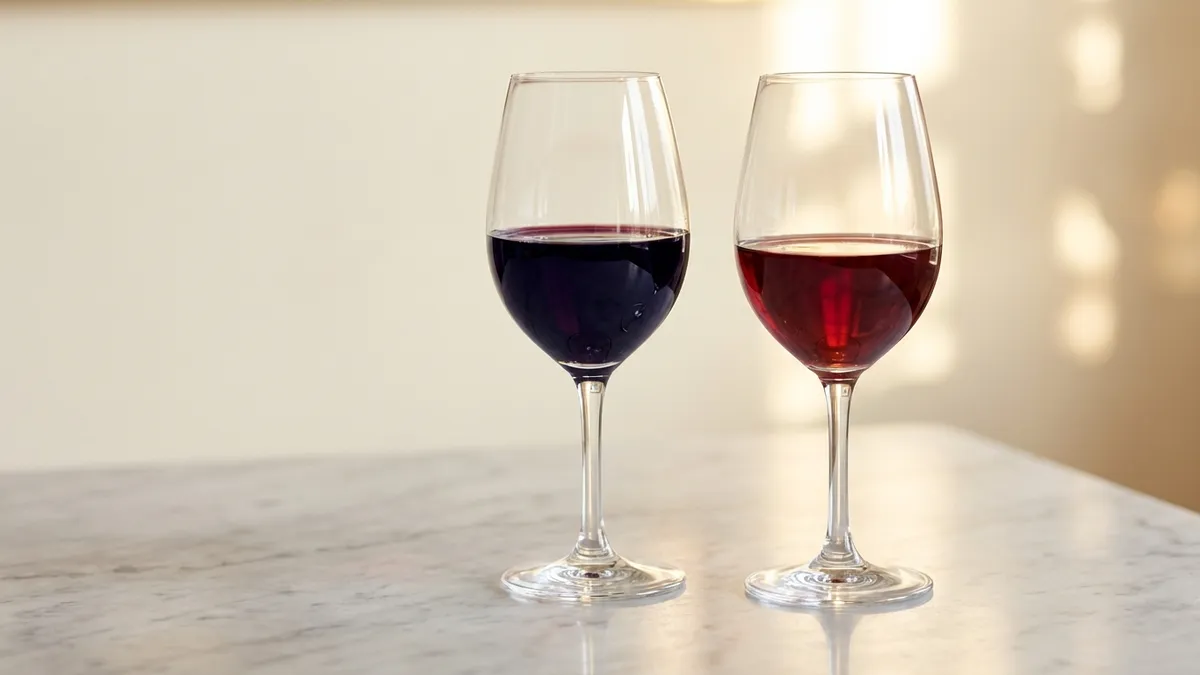
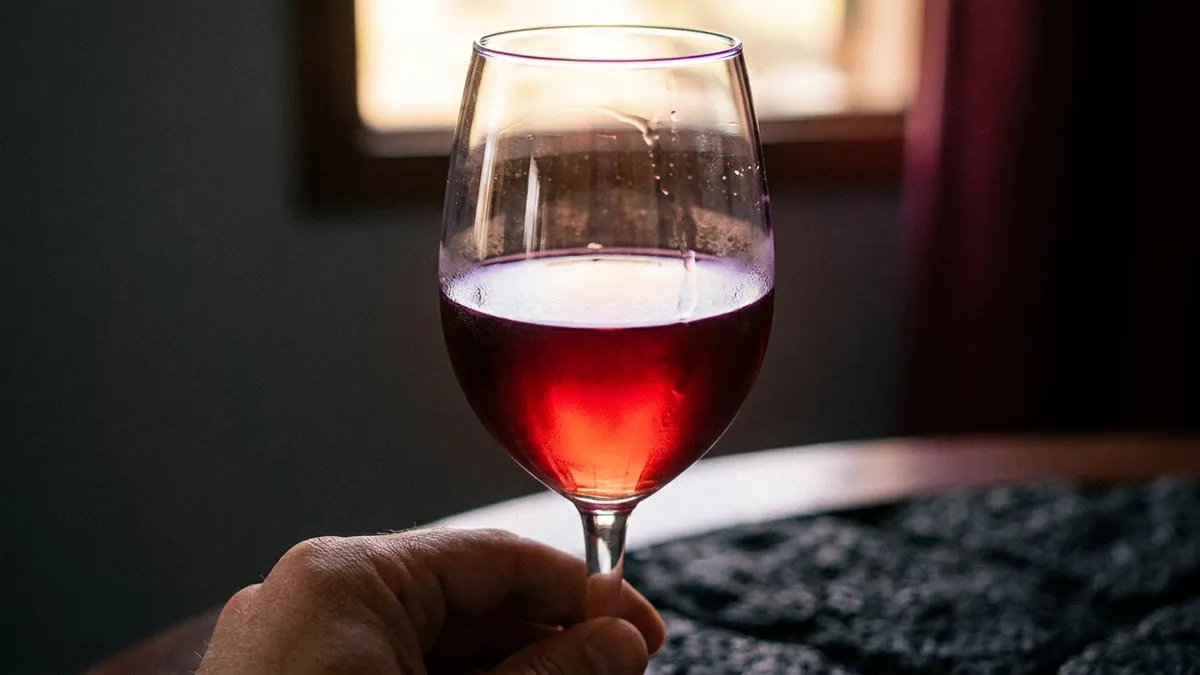
Listán Negro pours a translucent ruby with a violet rim when young, often lighter than newcomers expect from a "volcanic red." You can frequently see through the glass. Learning to read that color is a real tasting skill — our walkthrough on how to taste wine covers exactly how to assess color, clarity, and intensity before you ever take a sip.
Ungrafted Vines and the Pre-Phylloxera Miracle
In the late 1800s, a tiny root-feeding louse called phylloxera (a vine pest that destroys grape roots) wiped out most of Europe's vineyards. The only cure was grafting European vines onto resistant American rootstock, which is how almost every vine on earth now grows.
The Canary Islands escaped. Their remote location and fine, sandy volcanic soils — which the louse cannot tunnel through — kept phylloxera out entirely. As a result, Listán Negro grows on its own original roots, exactly as vines did before the plague.
This matters for two reasons:
- Old vines — Without phylloxera forcing replanting, many vines are 80, 100, even 200 years old. Ancient roots dig deep, lowering yields and concentrating flavor.
- Pre-phylloxera character — Tasting an ungrafted old-vine wine is one of the closest things to tasting how wine expressed itself in the 1800s, a rarity prized by collectors and curious drinkers alike.
The Canary Islands are a living museum of viticulture — ungrafted vines making wine the way the rest of Europe lost the ability to.
Cordón Trenzado: The Braided Vines of Tenerife
Walk a vineyard in the Valle de la Orotava and you will see something found almost nowhere else: cordón trenzado, meaning "braided cord." Growers weave the long, flexible trunks of old vines into plaited ropes that snake across the ground, sometimes stretching five or six meters from a single plant.
This dramatic, labor-intensive method evolved to solve real problems:
- Scarce land — Braiding lets a few vines cover and use a wide patch of terraced volcanic slope.
- Wind management — Keeping vines low and woven protects fruit from the relentless Atlantic trade winds.
- Heat and reflection — Trailing the canopy controls exposure to fierce island sun and reflected heat from black soil.
There is no machine that can do this. Every braid is shaped by hand over decades, which is part of why these wines carry such a strong sense of human craft. It is viticulture (the science and practice of growing grapes) at its most artisanal.
Listán Negro vs País, Listán Prieto, and Mission
Listán Negro belongs to a tangled family of pale, red-fruited, high-acid grapes that Spanish colonists carried around the world. Sorting them out helps you place the wine.
- Listán Negro — Distinct Canary Islands grape. Light-to-medium body, smoky volcanic minerality, red cherry, black pepper, high acidity, fine tannin.
- Listán Prieto — The Old World parent variety. Once widespread in Spain, now rare there; it traveled the globe under other names.
- País (Chile) — Listán Prieto reborn in Chile, where it is the historic workhorse grape. Light, juicy, rustic, savory red fruit; enjoying a revival from old bush vines.
- Mission (California / Americas) — The same Listán Prieto, planted by Spanish missionaries. Historic but now scarce.
So Listán Negro and País are close cousins rather than the same grape: similar in their pale color, fresh acidity, and food-friendly charm, but Listán Negro carries that unmistakable Canary volcanic smoke. If you enjoy one, you will almost certainly enjoy the other. For more of these off-the-beaten-path varieties, see our roundup of indigenous grapes worth trying.
How It Compares to Familiar Reds
If you have never tried it, anchor the style against grapes you already know:
- Pinot Noir — Closest in spirit: pale color, red fruit, high acidity, light body. Listán Negro adds smoky volcanic minerality and a peppery edge Pinot rarely shows.
- Gamay (Beaujolais) — Both are juicy, light, and best slightly chilled. Listán Negro is more savory and mineral, less candied.
- Nebbiolo — Shares pale color, high acid, and fine tannin, but Listán Negro is far lighter, fruitier, and lower in tannin.
Because color and body can fool you, two reds that look alike can taste worlds apart. Our piece on why grapes that look the same taste different breaks down exactly this trap.
Understanding Listán Negro's Structure
For a beginner, Listán Negro is a forgiving teacher precisely because its structure is balanced rather than extreme. Three elements drive how it feels in your mouth, and learning to read them on an easy grape makes harder wines simpler later.
- Acidity is the standout — high, mouth-watering, and refreshing, the trait that makes the wine taste alive and food-friendly.
- Tannin is low to medium and fine-grained, so the wine grips gently rather than drying you out the way a young Cabernet does.
- Body sits light to medium, giving a silky, easy texture rather than a heavy, coating one.
If those terms feel slippery, our explainer on tannins, acidity, and body defines each one and shows how to feel them in any glass. Listán Negro is one of the best grapes to practice on because none of these elements dominate — you can taste each clearly without any one overwhelming the rest.
How to Serve and Pair Listán Negro
Serving Temperature
Because it is light, fresh, and gently tannic, Listán Negro rewards a slight chill. Serve it at 14–16°C (57–61°F), a touch cooler than you would a heavier red. The chill lifts the red fruit, sharpens the acidity, and keeps the smoky note from turning heavy. This makes it one of the rare reds genuinely enjoyable in summer.
Food Pairing
The grape's fresh acidity and smoky savor make it remarkably versatile at the table:
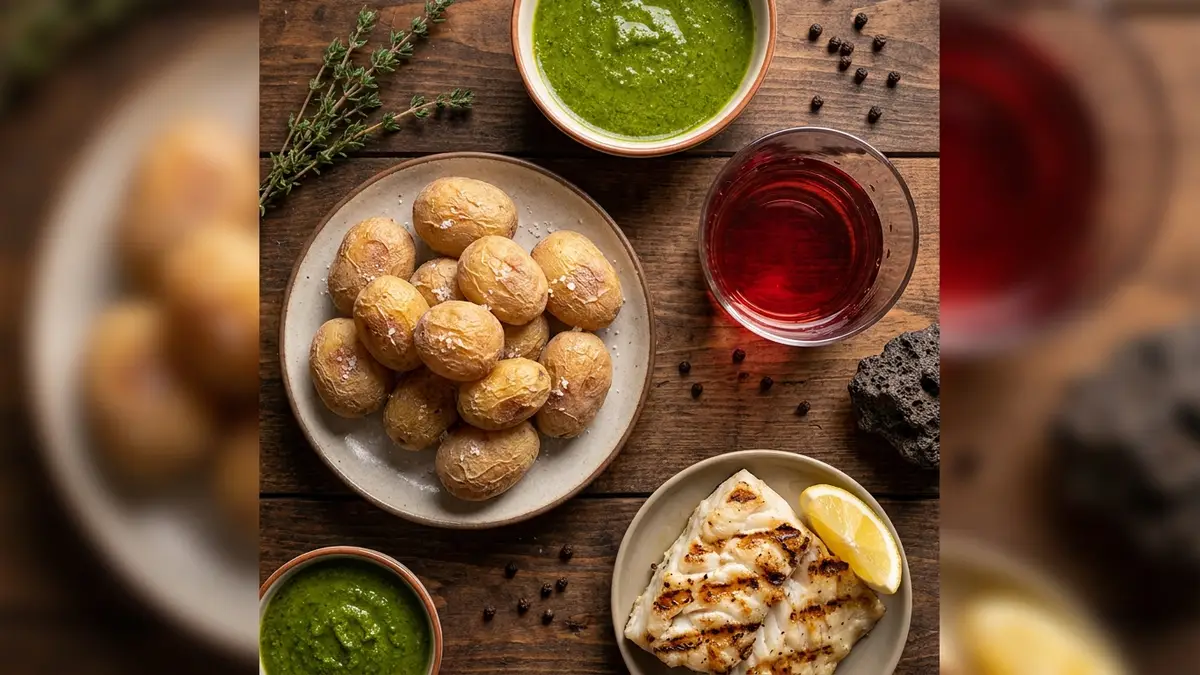
- Grilled and charred foods — Barbecued vegetables, grilled fish, and smoked meats echo the wine's volcanic smokiness.
- Canarian classics — Papas arrugadas (salty wrinkled potatoes) with mojo sauce, the local default pairing for a reason.
- Roast chicken and pork — Light enough not to overwhelm white and lean meats, savory enough to complement them.
- Tomato-based dishes — The high acidity harmonizes with tomato's brightness in pasta, stews, and pizza.
- Medium-aged cheeses — Semi-firm goat and sheep cheeses, common across the islands, match the wine's savory minerality.
Its lightness means you should steer it away from very rich, heavy braises that would simply flatten the fruit. Save those for a fuller red.
Why Listán Negro Belongs on Your Tasting List
Listán Negro rewards the curious drinker. It offers a flavor — that smoky, ashy volcanic minerality — that no Cabernet, Merlot, or Chardonnay can replicate, and it does so at gentle, beginner-friendly prices. Tasting it is also a small act of wine archaeology: ungrafted, old-vine, pre-phylloxera fruit grown the way Europe largely forgot how to grow.
It also makes a perfect contrast wine. Pour it beside one of the six noble grapes — say a Pinot Noir — and the difference in fruit, minerality, and texture teaches you more about both than either could alone.
The Sommy app guides you through structured tasting exercises that build exactly this kind of comparison muscle, helping you put words to that smoky volcanic note and locate where a wine like Listán Negro sits among the grapes you already love. Start with the easy, balanced grapes, and the rare, characterful ones become a delight rather than a puzzle.
Sources
- Wine Grapes: A Complete Guide to 1,368 Vine Varieties — Jancis Robinson, Julia Harding, José Vouillamoz, 2012
- The Oxford Companion to Wine — Jancis Robinson (ed.), Oxford University Press, 2023
- Canary Islands Wine Regions — Wines from Spain, 2024
Frequently Asked Questions
What does Listán Negro wine taste like?
Listán Negro tastes of bright red cherry, raspberry, and pomegranate wrapped in a distinctive smoky, ashy volcanic note, with dried herb and black pepper on the finish. It is light to medium bodied with fresh acidity and fine, gentle tannins. Think of a savory, mineral-driven red closer to Pinot Noir or País than to a heavy, oaky style.
Where is Listán Negro grown?
Listán Negro is grown almost entirely on the Canary Islands, the Spanish archipelago off northwest Africa. Tenerife is its heartland, especially the Tacoronte-Acentejo, Valle de la Orotava, and Ycoden-Daute-Isora zones, with plantings also on Lanzarote, La Palma, and Gran Canaria. The vines climb high-altitude volcanic slopes around Mount Teide, Spain's tallest peak.
Is Listán Negro related to País or Listán Prieto?
They are close cousins from the same Spanish lineage but not identical. Listán Prieto is the grape that became País in Chile and Mission in California, carried by colonists centuries ago. Listán Negro is a separate Canary Islands variety in the same family. Both share pale color, red fruit, fresh acidity, and a rustic, food-friendly charm.
Why are Canary Islands vines ungrafted?
The phylloxera louse that devastated European vineyards in the 1800s never reached the Canary Islands, thanks to isolation and sandy volcanic soils the pest cannot survive in. So vines grow on their own original rootstock rather than grafted American roots. Many Listán Negro vines are over 100 years old, giving wines deep concentration and a rare pre-phylloxera character.
What is cordón trenzado vine training?
Cordón trenzado, meaning braided cord, is a vine-training method unique to Tenerife. Growers weave long vine trunks into plaited ropes that can stretch several meters across the ground. It lets vines spread over scarce, terraced volcanic land, manages wind exposure, and protects fruit. The result is a dramatic, labor-intensive vineyard found almost nowhere else on earth.
What food pairs with Listán Negro?
Its fresh acidity, light body, and smoky savor make Listán Negro very food-friendly. Pair it with grilled fish, roast chicken, pork, and Canarian dishes like papas arrugadas with mojo sauce. The smoky note loves charred and barbecued food, while the bright acidity cuts through fatty cured meats, tomato-based dishes, and medium-aged cheeses.
Should Listán Negro be served chilled?
Yes, lightly. Because it is light to medium bodied with fresh acidity and gentle tannins, Listán Negro shines with a slight chill at around 14 to 16 degrees Celsius, a touch cooler than a typical heavy red. The chill lifts the red fruit and tames any volcanic smokiness, making it an excellent summer red or warm-weather pour.
Sommy Team
LinkedInFounder & Wine Educator
The Sommy Team is building the world's most approachable wine education app, helping beginners develop real tasting skills through structured courses and AI-guided practice.