Wine Regions
Journey through the great wine regions of the world, from Bordeaux to Barossa Valley.
4 articlesStart here
Spanish Wine Regions: From Rioja to SherryExplore Spain's major wine regions, from the legendary Rioja to the unique world of Sherry. Learn the DO system, key grapes, and aging classifications.
Wine is, at its core, a product of place. The same grape variety planted in Burgundy, Napa Valley, and Marlborough will produce three distinctly different wines — because climate, soil, altitude, and local winemaking traditions all leave their mark on the final glass. Understanding wine regions gives you the context to appreciate why a particular bottle tastes the way it does.
This section takes you on a guided tour of the world's most important wine-producing areas. From the structured appellations of France to the sun-drenched vineyards of Spain, from the terraced hillsides of Italy to the emerging regions pushing the boundaries of what wine can be, each article maps the landscape of a specific country or area in practical detail.
The Old World and the New
Wine regions are traditionally divided into Old World (Europe) and New World (everywhere else). Old World regions — France, Italy, Spain, Germany, Portugal — tend to emphasize terroir, the idea that the land itself is the primary author of a wine's character. Their classification systems, like France's AOC or Italy's DOCG, are built around geography rather than grape variety.
New World regions — the United States, Australia, Chile, Argentina, South Africa, New Zealand — tend to label wines by grape variety and give winemakers more freedom to experiment with blending, oak treatment, and winemaking technique. The distinction is blurring as globalization connects winemakers across borders, but it remains a useful starting framework.
What You Will Find Here
Each regional guide covers the essential information a curious wine lover needs: the major sub-regions and what they are known for, the key grape varieties grown there, the classification or appellation system (if one exists), the general style of wines produced, and practical tips for choosing bottles from the region.
You do not need to memorize maps or recite appellations. The goal is to build a mental model that helps you connect a wine on a restaurant list or shop shelf to the place it came from — and to understand why that place matters.
Regions as a Tasting Framework
One of the best ways to sharpen your palate is to taste wines from the same grape grown in different regions. Compare a Pinot Noir from Burgundy with one from Oregon and one from Central Otago. The grape is the same, but the climate and soil create different expressions of fruit, acidity, tannin, and aroma. Regional tasting is pattern recognition in action.
Sommy's regional courses guide you through these kinds of comparisons, but you can also do it on your own. Pick a grape, buy three bottles from three different countries, and taste them side by side. The differences will surprise you.
A Growing Collection
The articles here cover France, Italy, and Spain in depth, with more regions on the way. Wine production is a global story, and this section will continue to expand as we explore the vineyards of Portugal, Germany, the Americas, Australasia, and beyond.
Start with the region that interests you most, or begin with France — the country that defined the vocabulary and classification systems that the rest of the wine world still references.
Articles in this topic
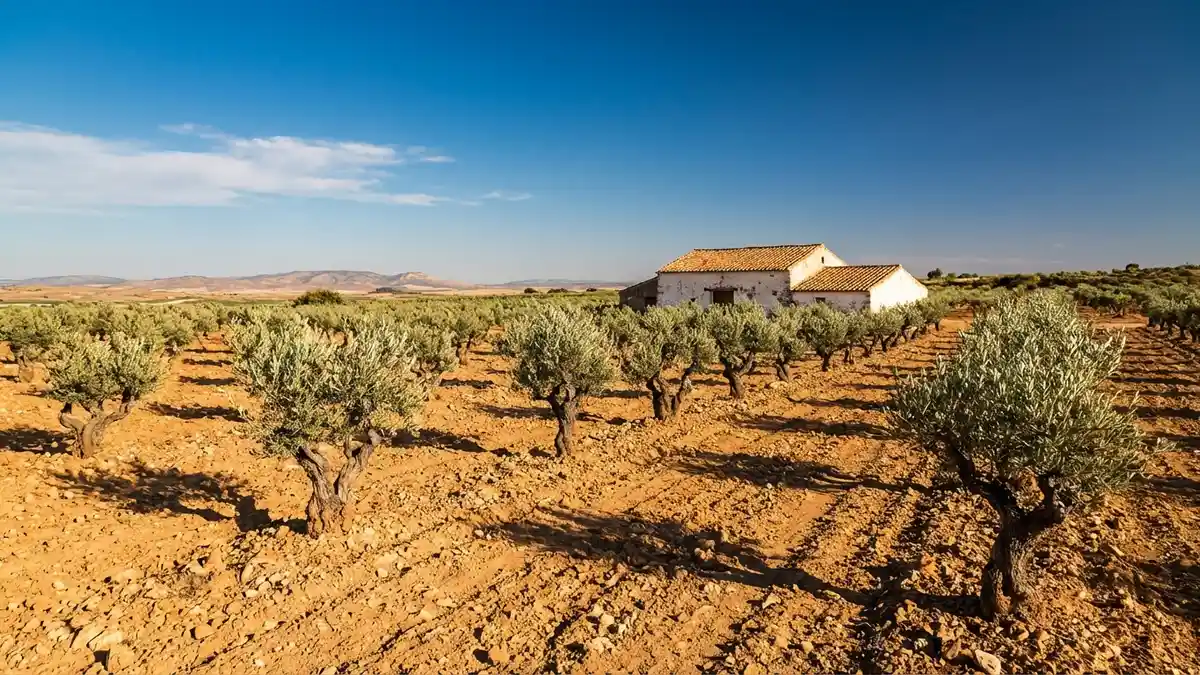
Spanish Wine Regions: From Rioja to Sherry
Explore Spain's major wine regions, from the legendary Rioja to the unique world of Sherry. Learn the DO system, key grapes, and aging classifications.

Champagne vs. Prosecco vs. Cava: What Is the Difference?
Compare Champagne, Prosecco, and Cava side by side. Learn how production methods, grapes, and regions create three very different sparkling wines.
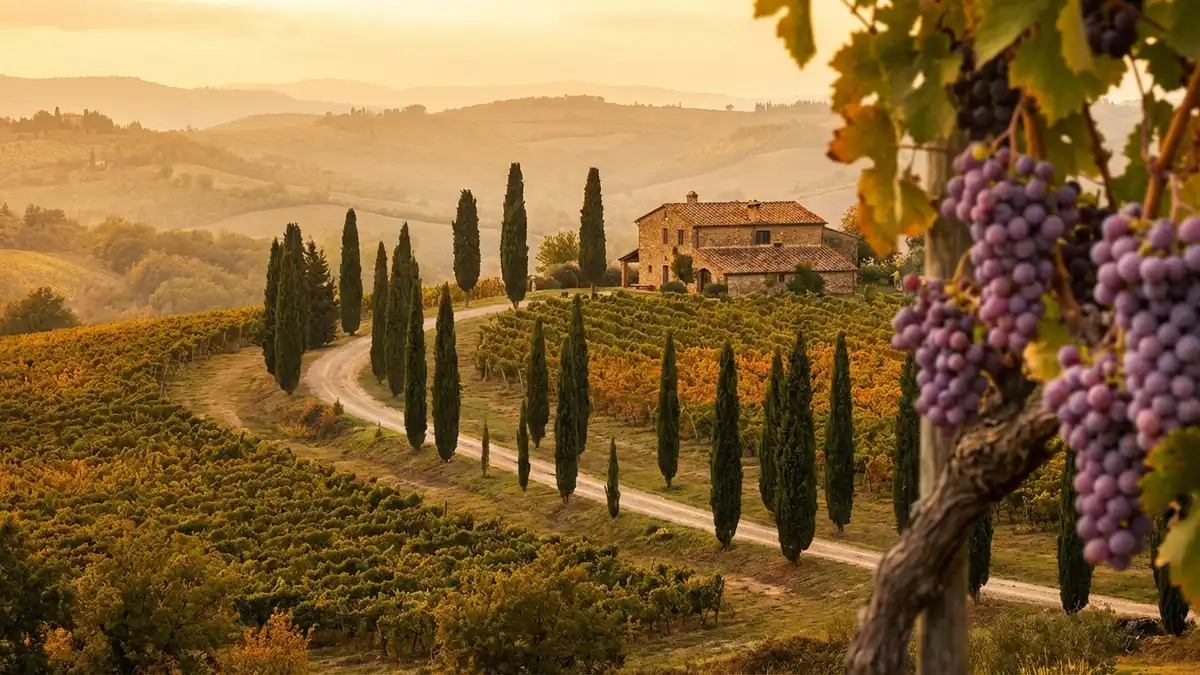
Italian Wine: From Chianti to Barolo
Discover Italian wine from north to south. Learn the key regions, native grapes, classification system, and why Italian wine and food are inseparable.
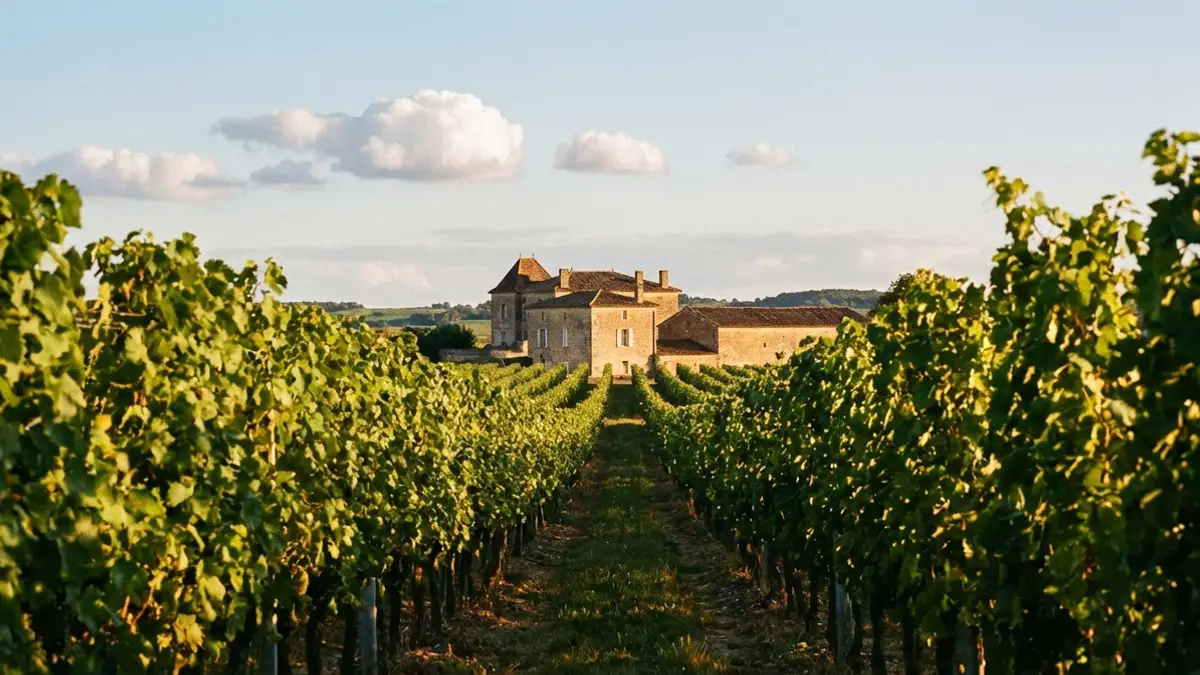
French Wine Regions: A Complete Guide
Explore the major French wine regions from Bordeaux to Provence. Understand the AOC system, signature grapes, and what makes each region unique.

This pillar is growing
More articles on wine regions are on the way. Bookmark this page and check back soon.