Wine Styles
Discover the spectrum of wine styles, from sparkling and natural to fortified and dessert wines.
1 articleStart here
Natural Wine Explained: What It Is and Why It MattersUnderstand what natural wine actually means, from orange wine to pet-nat. Learn the difference between organic, biodynamic, and natural winemaking.
Wine is not a single category — it is a spectrum. From bone-dry Champagne to lusciously sweet Sauternes, from skin-contact orange wine to fortified Port, the world of wine styles is broader and more varied than most people realize. Understanding these styles helps you navigate wine lists, try new things with confidence, and appreciate the craftsmanship behind each approach.
This section explores the major wine styles beyond the familiar categories of "red" and "white." You will learn what makes each style distinctive, how it is produced, and when to reach for it.
The Style Spectrum
At the most basic level, wines differ by color (red, white, rose), sweetness (dry to sweet), and effervescence (still to sparkling). But within each of those categories, production method creates enormous variation.
A still red wine made from Pinot Noir in Burgundy and a still red wine made from Shiraz in the Barossa Valley are both "red wine," but they occupy completely different positions on the style spectrum. One is light, elegant, and earthy; the other is bold, fruity, and rich. The grape, the climate, and the winemaker's choices all contribute to where a wine lands on that spectrum.
Natural, Orange, and Everything In Between
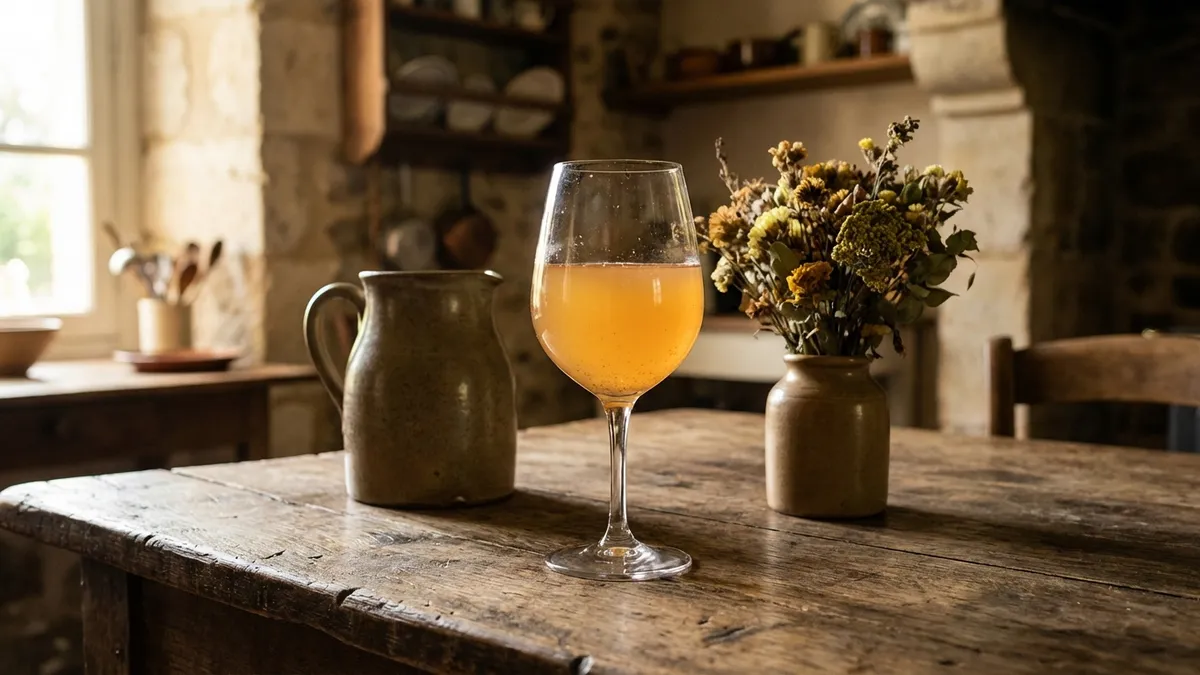
The last decade has seen an explosion of interest in wine styles that challenge conventional categories. Natural wine — made with minimal intervention and little or no added sulfites — has moved from niche curiosity to mainstream conversation. Orange wine — white grapes fermented with their skins, producing amber-colored wines with tannic texture — has earned dedicated sections on restaurant wine lists. Pet-nat — petillant naturel, a rustic style of sparkling wine — has become a gateway for younger drinkers entering the wine world.
These styles are not fads. They represent a return to older winemaking traditions and a reaction against the homogenization of industrial wine production. Whether you love them or find them challenging, understanding what they are and how they are made makes you a more informed taster.
Sparkling, Fortified, and Dessert
Sparkling wine is not just Champagne. The category includes Prosecco from Italy, Cava from Spain, Cremant from various French regions, and sparkling wines from around the world, each made using different methods that produce different textures and flavor profiles.
Fortified wines — Port, Sherry, Madeira, Marsala — are wines with added grape spirit, which raises the alcohol level and often preserves residual sweetness. They are some of the most complex and long-lived wines in existence, and they are dramatically underappreciated by modern drinkers.
Dessert wines — from late-harvest Riesling to botrytized Sauternes to ice wine — showcase what happens when concentrated sweetness meets balancing acidity. They are wines for special occasions and adventurous palates.
Exploring With Purpose
The articles in this section give you a clear framework for each style: what it is, how it is made, what it tastes like, and what to try if you want to explore further. They are designed to be read before or alongside tasting, so you can connect the theory to what is in your glass.
Sommy's tasting sessions cover several of these styles, guiding you through the evaluation process with prompts tailored to each category. A sparkling wine tasting is different from a still wine tasting — the bubbles, the mousse, and the dosage level all deserve attention.
Start wherever your curiosity leads. If you have never tried an orange wine, the natural wine article is a good entry point. If you want to understand why Champagne costs what it does, the sparkling wine comparison will give you the answer.
Articles in this topic

This pillar is growing
More articles on wine styles are on the way. Bookmark this page and check back soon.