How to Taste Wine
Master the four-step tasting method used by sommeliers worldwide. Learn to look, swirl, sniff, and sip with confidence.
5 articlesStart here
How to Describe Wine: Tasting Notes Made SimpleDescribing wine feels impossible until you have a framework. Here is the one sommeliers use, the vocabulary to start with, and how to go from 'I don't know how to say it' to a real tasting note in one session.
Wine tasting is not a talent reserved for sommeliers or critics. It is a skill, and like any skill it improves with practice and a reliable method. The four-step framework used in professional wine evaluation — look, swirl, sniff, sip — gives you a structured way to pay attention to what is already in your glass.
This pillar collects everything you need to build that foundation: from the mechanics of swirling and sniffing to the science behind tannins, acidity, and body. Whether you are opening your first bottle with intention or sharpening a palate you have been developing for years, these articles break each element of tasting into clear, repeatable steps.
Why a Method Matters
Most people drink wine passively. The liquid arrives, you take a sip, and you decide whether you like it. That is perfectly fine for everyday enjoyment, but it leaves an enormous amount of information on the table — literally.
A structured tasting method slows you down just enough to notice details: the way a wine's color hints at its age, the way swirling releases a second wave of aromas you missed on the first sniff, the way acidity makes your mouth water and tannins dry it out. Once you start noticing these things, every glass becomes more interesting.
The method is simple. Look at the wine's color, clarity, and viscosity. Swirl the glass to aerate the wine and release volatile compounds. Sniff — first from a distance, then with your nose just inside the rim. Finally, sip a small amount and let it coat your palate before you swallow or spit.
What You Will Learn
The articles in this section walk through each step in practical detail. You will learn how to read a wine's color for clues about grape variety and age. You will understand what tannins, acidity, and body actually feel like on your palate — and why they matter for food pairing and aging potential. You will also pick up vocabulary that lets you describe what you taste in a way other wine lovers understand.
None of this requires expensive equipment. A tulip-shaped glass, decent lighting, and a willingness to pay attention are all you need.
Building Your Palate
Tasting is partly physical and partly cognitive. Your nose can detect thousands of aromatic compounds, but your brain needs context to name them. That is why practice matters: the more wines you taste with intention, the larger your mental library of flavors becomes.
Sommy's guided tasting sessions are designed around this principle. Each session walks you through the four steps with a real wine in your hand, prompting you to notice specific details and recording your observations so you can track your progress over time. The app does not replace the method described here — it reinforces it through repetition and feedback.
Start Here
If you are new to structured tasting, begin with the flagship article in this section: a complete walkthrough of the four-step method with practical tips for each stage. From there, move to the deeper dive on tannins, acidity, and body to understand the structural elements that define how a wine feels in your mouth. Together, these two pieces give you a working vocabulary and a reliable process for evaluating any glass of wine.
The goal is not to become a sommelier overnight. The goal is to enjoy wine more by understanding it better — one sip at a time.
Articles in this topic
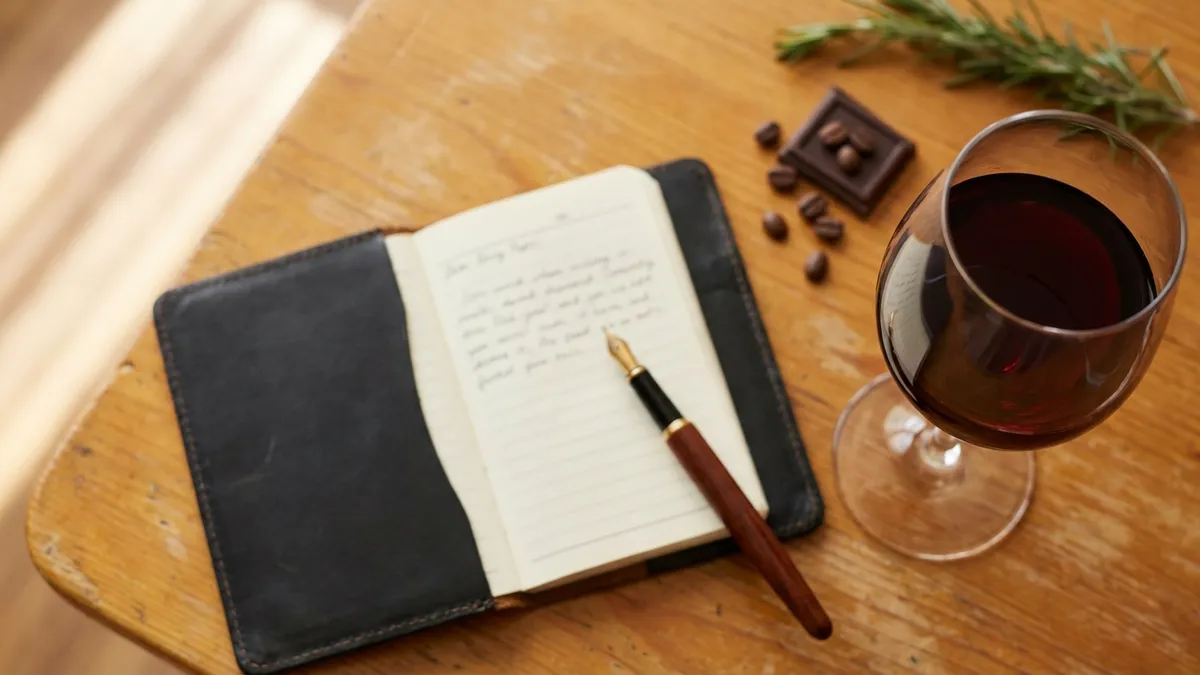
How to Describe Wine: Tasting Notes Made Simple
Describing wine feels impossible until you have a framework. Here is the one sommeliers use, the vocabulary to start with, and how to go from 'I don't know how to say it' to a real tasting note in one session.
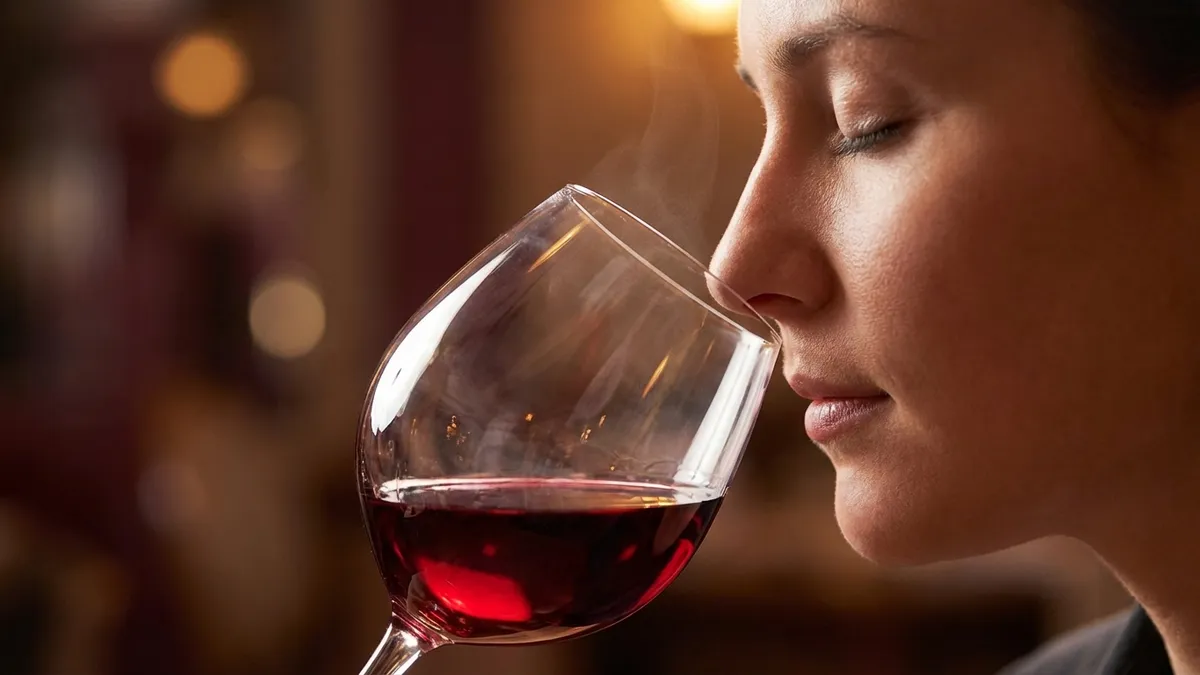
How to Smell Wine: A Beginner's Guide to Wine Aromas
Most wine flavor comes from your nose, not your tongue. Here is how to smell wine properly, what to look for, and how to build an aroma vocabulary from scratch.
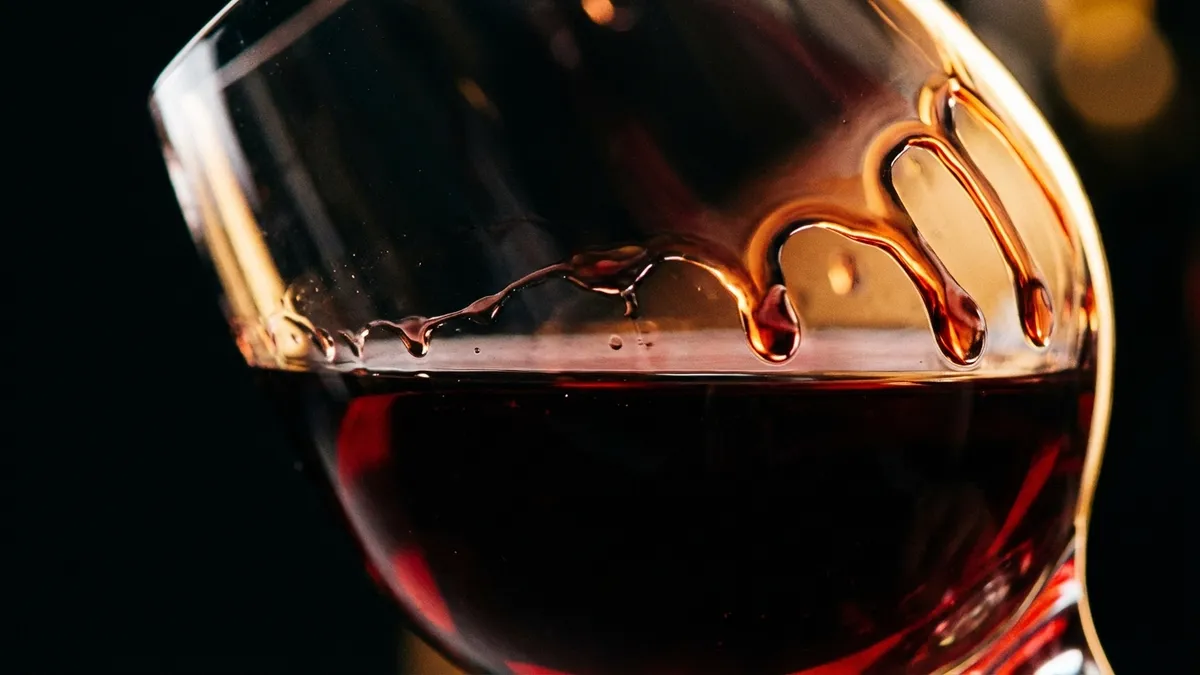
What Do Wine Legs Mean? The Truth About Tears on Your Glass
Wine legs are one of the most misunderstood visual cues in wine. Here is what those tears on your glass actually mean, the physics behind them, and what sommeliers really look for.
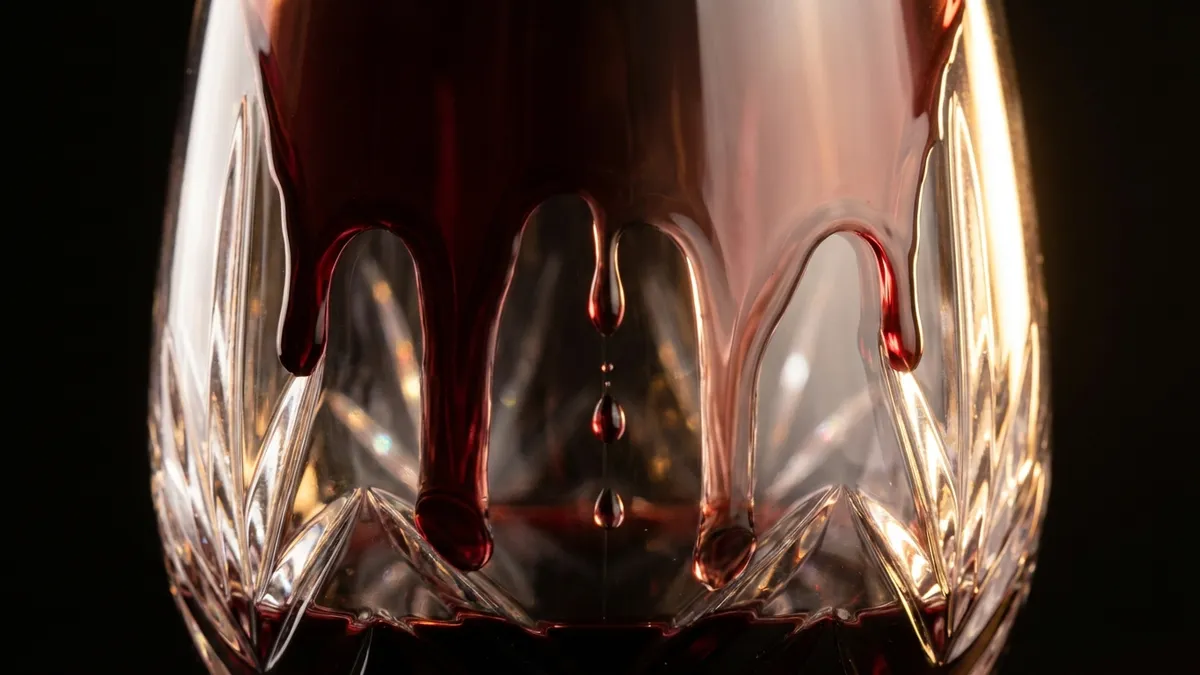
Understanding Tannins, Acidity, and Body in Wine
Learn what tannins, acidity, and body actually are, how to identify them on your palate, and why they matter for food pairing and aging.
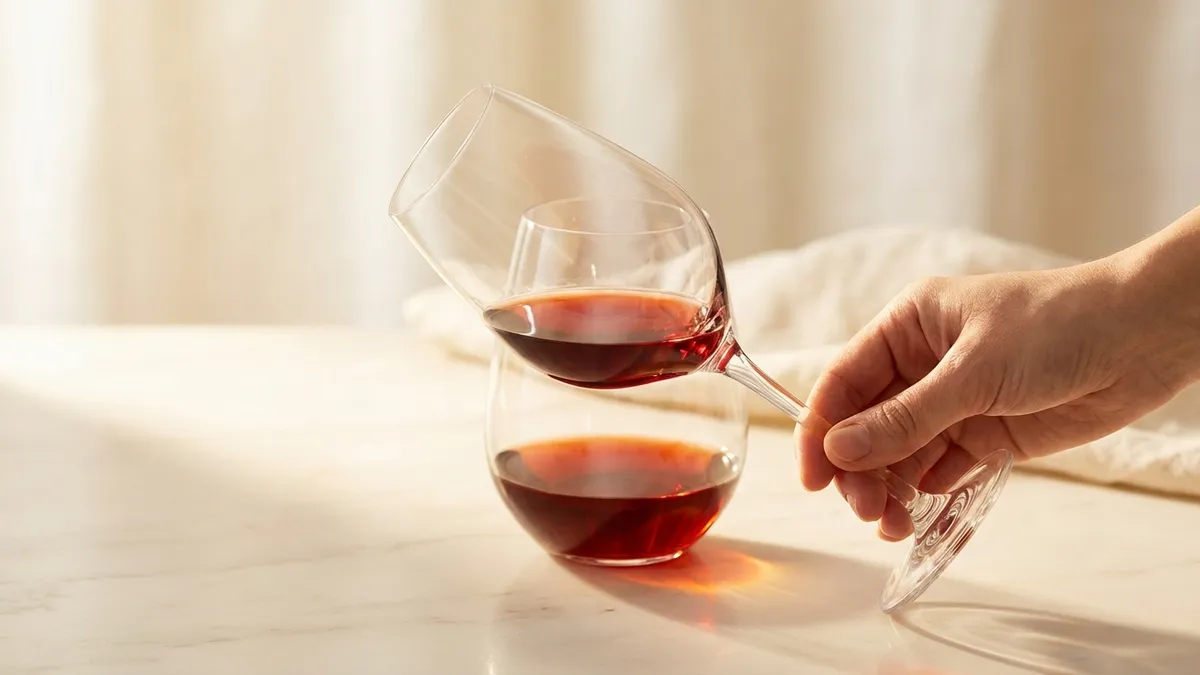
How to Taste Wine: The Complete Beginner's Guide
Learn the four-step method that sommeliers use to evaluate every glass. Master the look, swirl, sniff, and sip technique with this comprehensive guide.