Wine Faults
Learn to identify common wine faults like cork taint, oxidation, and volatile acidity so you know when to send a bottle back.
1 articleStart here
How to Tell If Wine Is Corked: Signs, Smell, and What to DoCorked wine is the most common wine fault, but most people have never been taught to spot it. Here is exactly what corked wine smells like, why it happens, and how to handle it at home or in a restaurant.
Not every wine that tastes unusual is faulty — but some are. Knowing the difference between a wine that is simply unfamiliar and one that is genuinely damaged gives you the confidence to send a bottle back when something is wrong, and the humility to keep an open mind when something is simply new.
Wine faults are chemical or microbial flaws that make a wine taste or smell unpleasant in ways the winemaker did not intend. They range from subtle (a slight mustiness you might not notice in casual drinking) to obvious (a wine that smells like wet cardboard or nail polish remover). This section teaches you to identify the most common faults so you can trust your own palate.
Cork Taint: The Most Common Fault
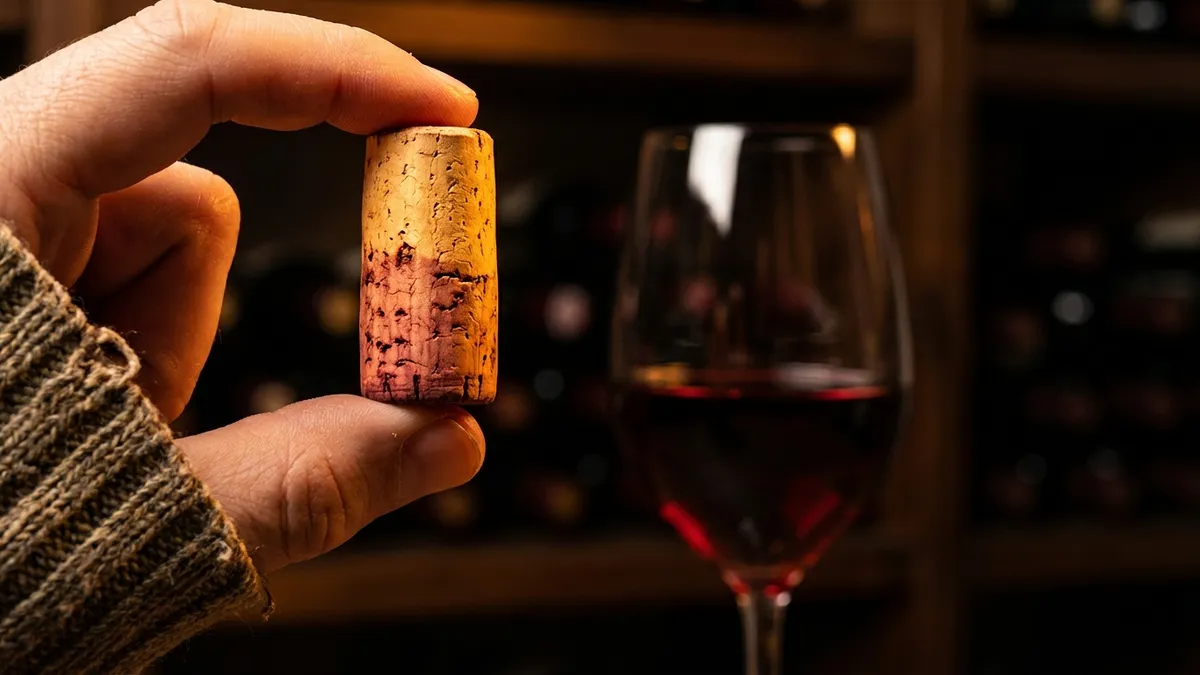
Cork taint, caused by a compound called TCA (2,4,6-trichloroanisole), affects an estimated 2 to 5 percent of wines sealed with natural cork. A corked wine smells musty, like damp cardboard or a wet basement. At low concentrations, cork taint may not produce an obvious off smell but will strip the wine of its fruit character, making it taste flat and dull.
If you suspect a wine is corked, the polite thing to do in a restaurant is to ask the sommelier to check. They will not be offended — returning corked wine is routine, and reputable restaurants replace the bottle without question. At home, cork taint is simply bad luck. There is nothing you did wrong and nothing you can do to fix it.
Oxidation
Oxidation occurs when a wine is exposed to too much air, either through a faulty closure or through prolonged contact with oxygen in the bottle. Oxidized white wines turn deeper in color (toward amber) and develop bruised-apple or sherry-like aromas when they should be fresh and fruity. Oxidized red wines lose their vibrant color and take on stewed or dried-fruit characteristics.
A small amount of controlled oxidation is intentional in some wine styles — Sherry, for example, or deliberately oxidative white wines from the Jura region of France. The fault occurs when oxidation happens unintentionally and damages a wine that was meant to be fresh.
Volatile Acidity
Volatile acidity (VA) refers to acetic acid and ethyl acetate in wine. At low levels, a touch of VA can add complexity and lift. At high levels, the wine smells like vinegar (acetic acid) or nail polish remover (ethyl acetate). If a wine makes you wince the way a splash of vinegar does, VA is likely the culprit.
Some wine styles, particularly natural wines with minimal sulfite additions, walk a fine line with VA. What one taster considers a characterful edge, another might call a fault. Context matters.
Reduction and Brettanomyces
Reductive aromas — sulfurous smells like struck matches, rubber, or cooked cabbage — occur when a wine has not had enough oxygen exposure during winemaking. Mild reduction often blows off with swirling or decanting. Severe reduction can make a wine undrinkable.
Brettanomyces is a yeast that produces aromas described as barnyard, Band-Aid, or sweaty saddle. Like VA, Brett exists on a spectrum: a hint of Brett is considered part of the character in some traditional wines (particularly Southern Rhone and older Burgundy), while heavy Brett overwhelms the fruit and makes the wine unpleasant.
Trusting Your Palate
The articles in this section describe each fault in enough detail that you can identify it when you encounter it. The key skill is not memorizing chemical names — it is learning to trust your own sensory experience. If a wine smells or tastes wrong to you, it is worth investigating before you assume the problem is your palate.
Sommy's guided tastings include fault-recognition exercises that expose you to controlled examples of common faults, so you can calibrate your nose and palate in a low-pressure environment. The articles here provide the conceptual framework that those exercises reinforce.
Start with cork taint — it is the fault you are most likely to encounter, and it is the one most worth being able to identify with confidence.
Articles in this topic

This pillar is growing
More articles on wine faults are on the way. Bookmark this page and check back soon.